



1960s Chronograph
A 1960s chronograph offers mechanical timekeeping with integrated stopwatch functions, combining mid-century design with practical utility for daily wear.
1960s Chronograph
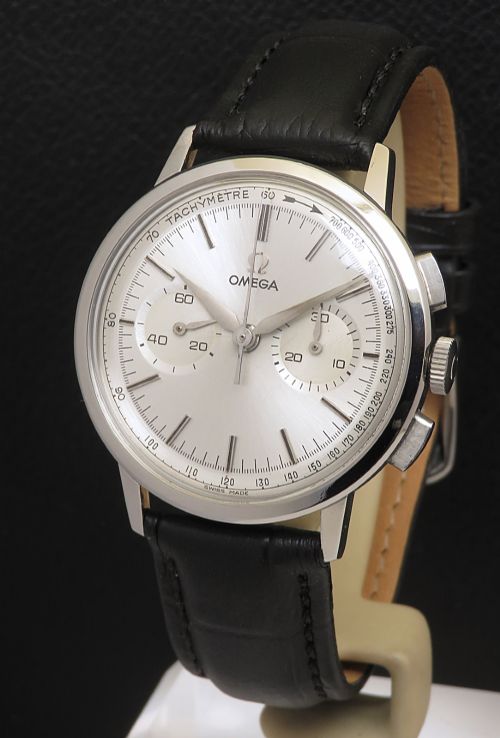
A 1960s chronograph is a wristwatch equipped with an independent stopwatch mechanism activated via pushers on the side of the case. These pieces emerge from the mid-century modern period and encompass styles such as 1960s horology and 1960s vintage aviation.
Many examples originate from the middle and latter part of the decade, specifically recorded across years such as 1963, 1966, 1967, 1968, and 1969. The overarching category remains wristwatches designed for specific timing tasks.
How they were made
Cases are constructed predominantly from stainless steel, gold plate, and square case configurations, paired with protective acrylic, acrylic glass, or standard glass crystals. These durable metals and transparent covers protected the intricate manual wind movements within.
Dials display specific configurations such as the panda dial and silver dial, often featuring specialist markings like the white logo AOPA. Leather straps complete the assembly, securing the timepiece to the wrist.
1960s Chronograph Retail Price Guide 2026
Typical asking prices for 1960s chronograph among the pieces listed under this phrase on Sellingantiques today, from the lower quarter to the upper quarter. They describe what is for sale here now, not the wider market.
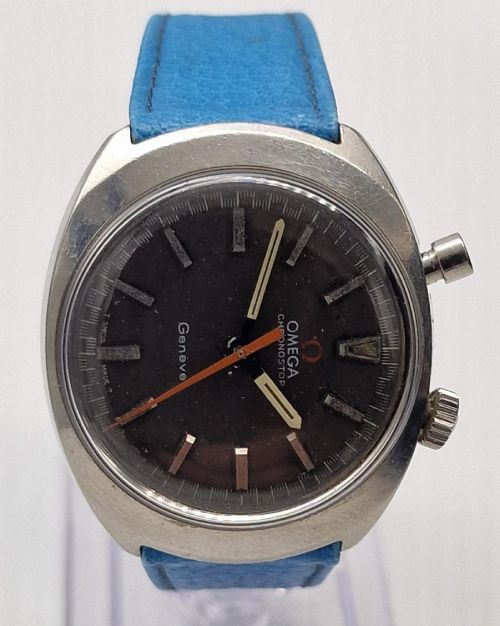
Some drivers edition watches are designed to sit sideways on the wrist, letting motorists check elapsed time without letting go of the steering wheel.
What varies in quality
The distinction between tiers rests upon the execution of the dial, such as the contrast in a panda dial or the clarity of specialist markings like the white logo AOPA. Case shapes, ranging from standard circular forms to distinct square cases, also dictate the visual refinement of the piece.
Movements and maker reputation drive the hierarchy of these watches, with established names like Omega and Breitling commanding attention alongside brands like Invicta, Mappin, and Beltane. The preservation of original dial layouts and case finishes determines the standing of an individual chronograph.
Omega·Breitling·Invicta·Mappin·Beltane·Chronographe Suisse
The 1960s Chronograph Glossary
- Chronograph
- A wristwatch that combines a standard timekeeping display with an independent stopwatch function operated by pushers. This mechanism measures elapsed intervals of time.
- Manual wind watch
- A timepiece powered by a mainspring that requires regular hand-winding via the crown rather than automatic rotor movement. This traditional winding method is standard for many period chronographs.
- Panda dial
- A watch dial featuring a contrasting colour scheme, typically dark sub-dials against a light background. This layout improves legibility during timing operations.
- Square case
- A watch housing shaped with four distinct 90-degree corners rather than a traditional round profile. This geometric form reflects mid-century design trends.
- Drivers edition wristwatch
- A specialist timepiece configured for automotive use, often rotated on the wrist for readability while gripping a steering wheel. These variants cater directly to motoring enthusiasts.
1960s Chronograph: Frequently Asked Questions
What is a 1960s chronograph?
A 1960s chronograph is a mechanical wristwatch featuring integrated stopwatch capabilities. These timepieces stem from the mid-century modern era and include distinct aviation and motoring variants.
Such watches utilise manual wind movements housed in stainless steel or gold plate cases. They remain sought after for their functional timing dials and period design.
How do I operate a manual wind chronograph?
You wind the mainspring manually via the crown to power the watch movement. The pushers on the case side then start, stop, and reset the independent stopwatch hand.
Care must be taken not to over-wind the crown. The stopwatch function should be reset only after stopping.
How should I care for acrylic glass?
Acrylic glass requires gentle handling to avoid scratching the surface during daily wear. Minor marks can often be polished out using specialised compounds.
Avoid exposing the crystal to harsh chemical solvents. Regular cleaning with a soft cloth preserves clarity.