






1940s Silver Watch
These pieces for a 1940s silver watch offer a tangible link to wartime and mid-century engineering.
1940s Silver Watch
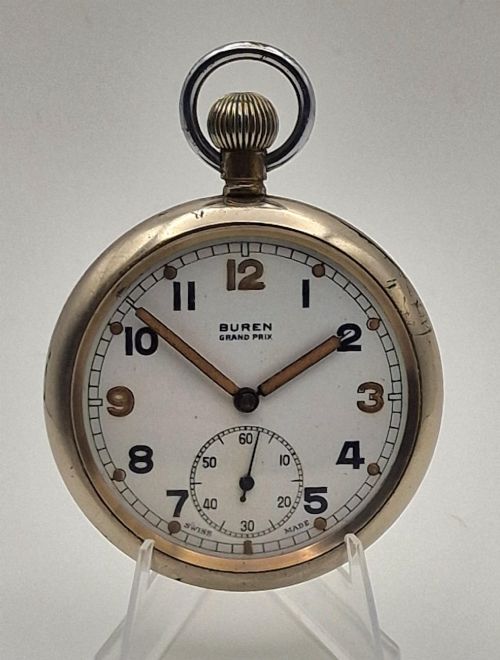
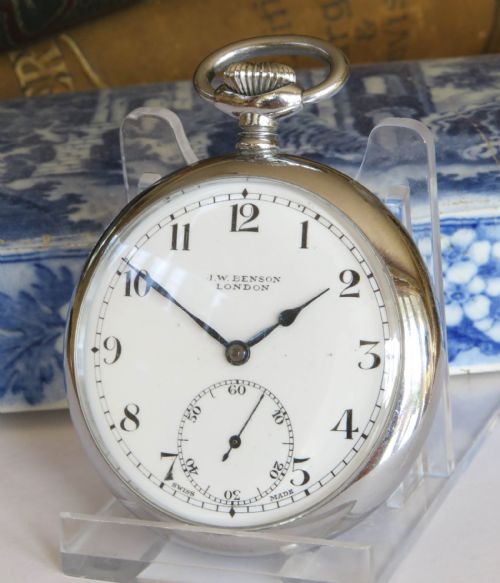
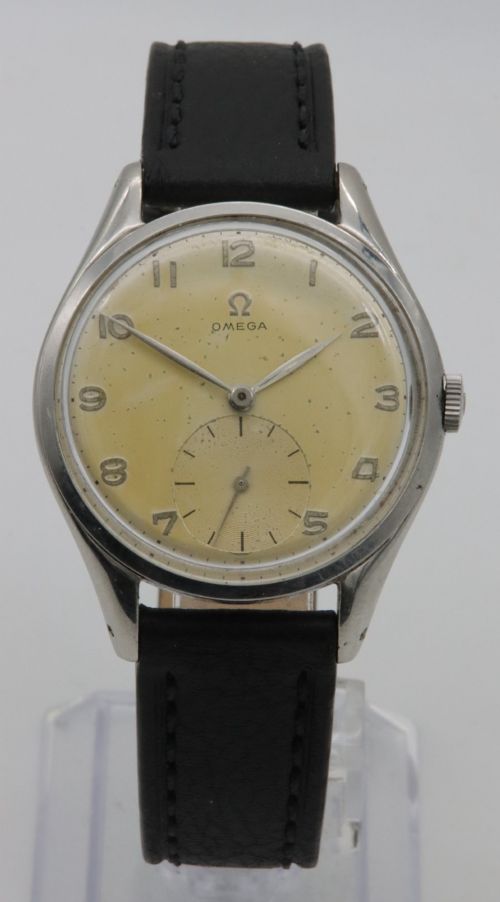
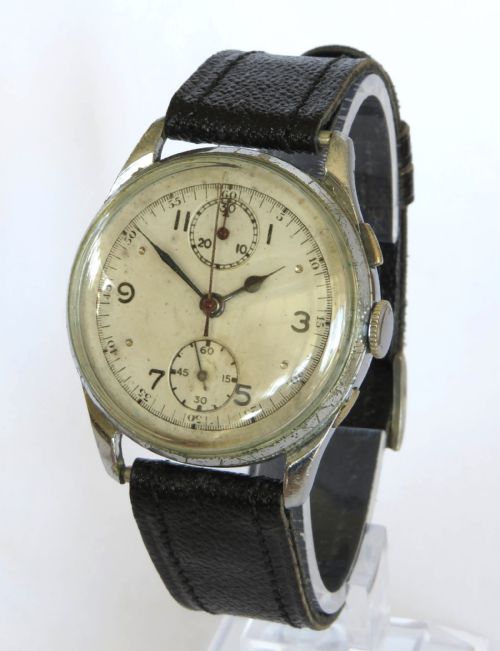
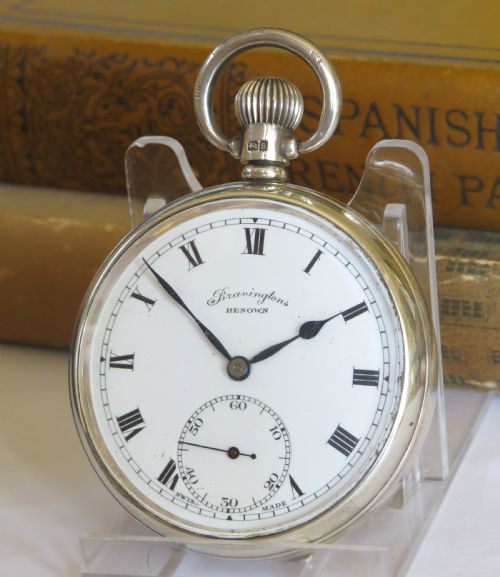
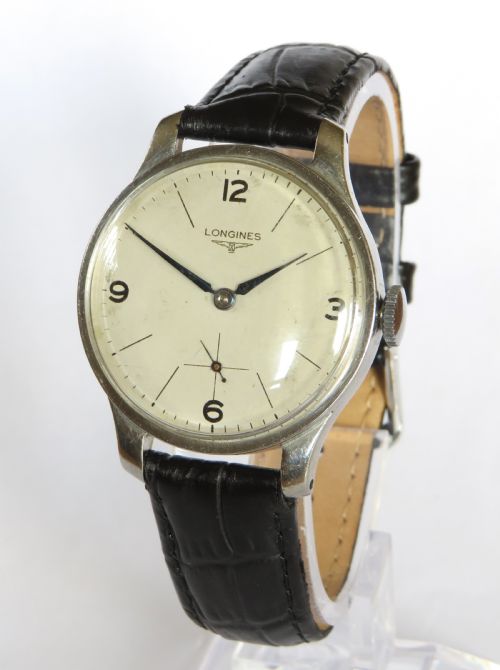
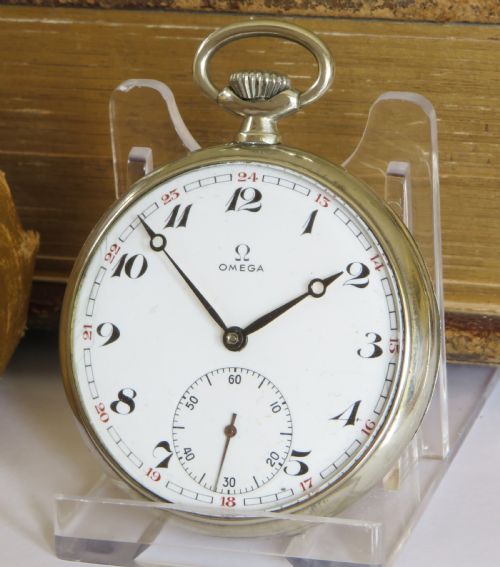
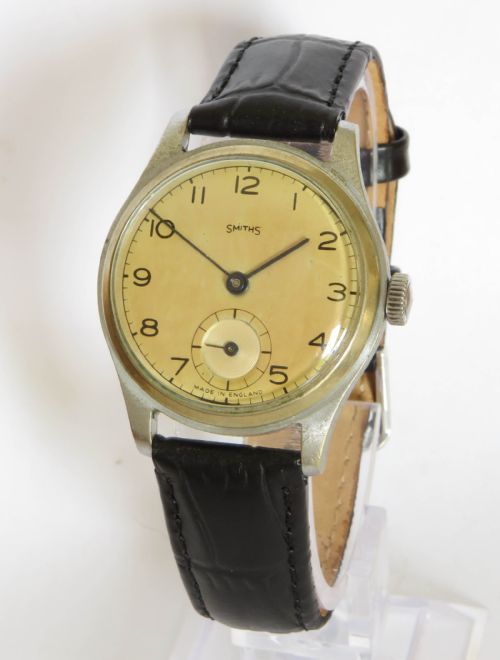
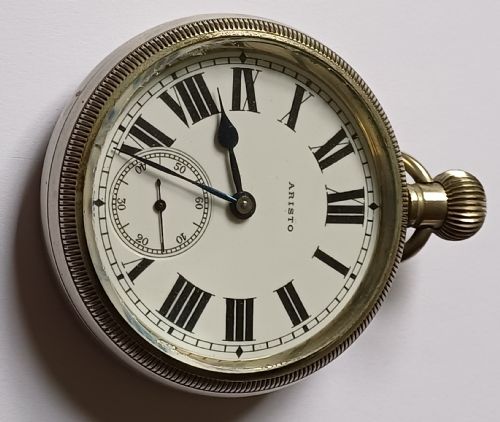
A 1940s silver watch encompasses wristwatches and pocket watches designed during a decade defined by global conflict and post-war transition. Buyers hunting for a 1940s silver watch encounter robust military issues, elegant dress pieces, and practical mechanical timepieces.
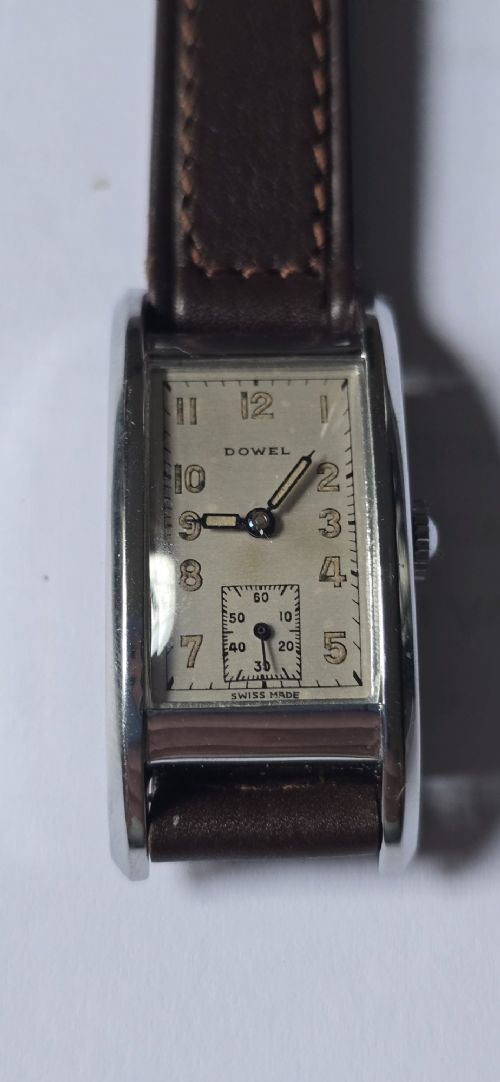
The selections on this page span robust pocket watches by established makers and refined wristwatches featuring Swiss movements. Many examples reflect utilitarian military specifications alongside civilian Art Deco and Mid-Century styles.
Materials and construction
These timepieces rely on durable metals including stainless steel, chrome plate, platinum, and white gold, paired with protective glass crystals and enamel dials. Leather straps and metal bracelets secure the watches to the wrist.
Mechanical movements drive the internal mechanics, requiring careful manual winding by the user. Skilled watchmakers housed these intricate mechanisms inside sealed cases designed to withstand daily wear.
1940s Silver Watch Retail Price Guide 2026
Typical asking prices for 1940s silver watch among the pieces listed under this phrase on Sellingantiques today, from the lower quarter to the upper quarter. They describe what is for sale here now, not the wider market.
Several watches originally issued to military personnel found a second life re-issued to the Pakistan Airforce.
Assessing quality
Quality rests upon the precision and origin of the internal movement, with Swiss and British calibres commanding strong regard. The condition of the dial and the crispness of case markings also separate standard pieces from exceptional examples.
Original components and documented military provenance elevate a piece significantly. Altered dials or replaced hands diminish the historical integrity of the watch.
J W Benson·McDowells Dublin·Omega·Venus·Bravingtons Renown·Longines·Roamer·Marvin·Vertex·Benrus·Aristo·Breitling
The 1940s Silver Watch Glossary
- Calibre
- The specific internal mechanism or movement of a watch. Manufacturers assign numbers to distinguish different mechanical designs.
- Chronograph
- A watch equipped with a stopwatch function alongside standard timekeeping. These models feature additional pushers on the case.
- Tank watch
- A rectangular timepiece with parallel vertical bars extending into the strap attachments. The design originated during the early twentieth century.
- New Old Stock
- Unsold vintage items preserved in original condition over decades. These pieces remain unworn.
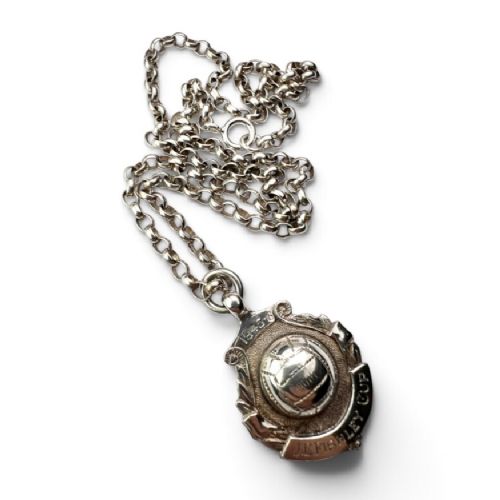
- Medallion
- A flat, metal pendant commemorating an event or achievement. Sports medals frequently appear alongside these timepieces.
1940s Silver Watch: Frequently Asked Questions
How do I wind a 1940s mechanical watch?
Rotate the crown clockwise between your thumb and forefinger until you feel gentle resistance. Stop immediately to avoid damaging the mainspring.
Wind the watch at roughly the same time each day to maintain consistent timekeeping performance.
Are these watches waterproof?
Most watches from this era offer limited resistance to moisture and dust compared to modern standards. Gaskets degrade over decades, rendering seals ineffective against water.
Keep the piece away from rain, swimming pools, and sinks to protect the delicate internal movement.
Can I wear a 1940s watch every day?
Daily wear is possible if the watch receives regular servicing by a qualified horologist. Treat the mechanical movement with care and avoid heavy impacts.
Consider leather straps for comfort and easy replacement during regular use.
How do military watches differ from civilian models?
Military issues feature standardised dials, luminous numerals for night visibility, and case back engravings denoting government department codes. Civilian pieces focus on decorative case shapes and refined dials.
Both categories utilise dependable mechanical movements suited to rigorous daily demands.