




1930s Wooden Mirror
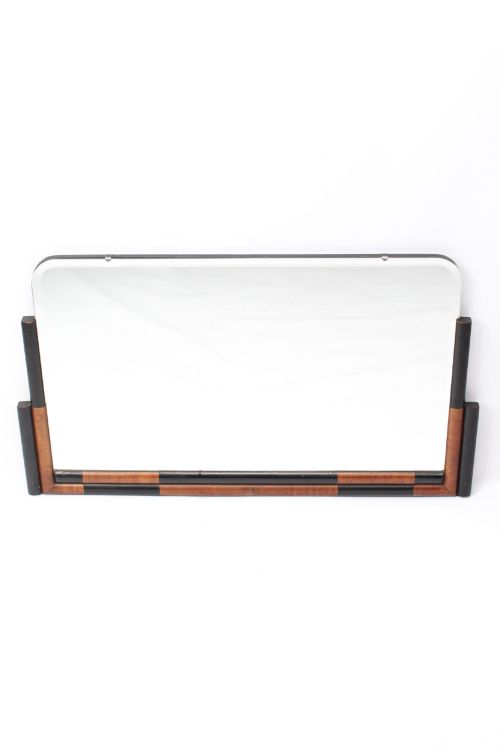
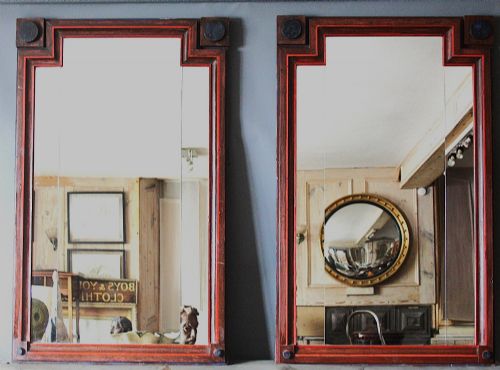
These 1930s wooden mirror pieces bring genuine period character to a room, offering warm tones and striking geometric lines that collectors prize.
1930s Wooden Mirror
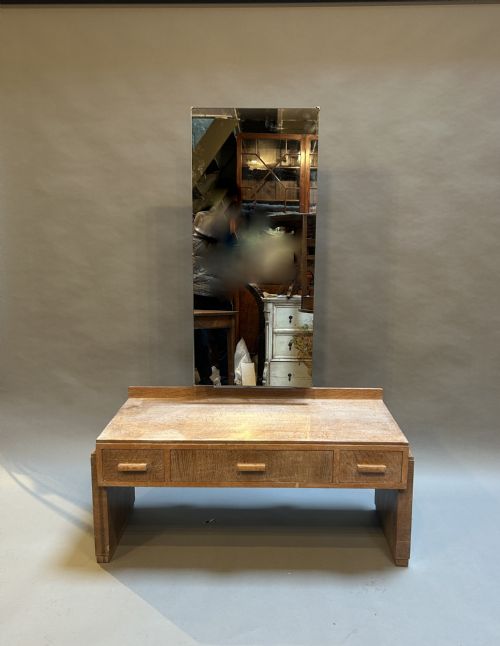
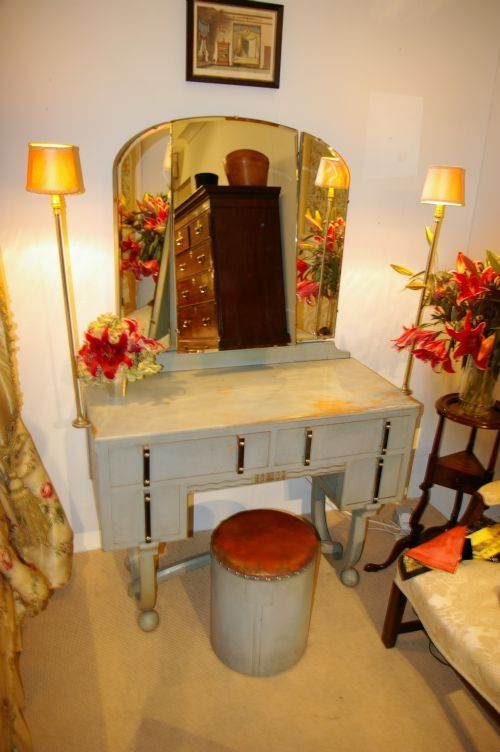
A 1930s wooden mirror represents the decorative tastes of the interwar years, spanning wall-hung designs and dressing furniture. Buyers seeking a 1930s wooden mirror will find wall mirrors and dressing table attachments executed in various timbers.
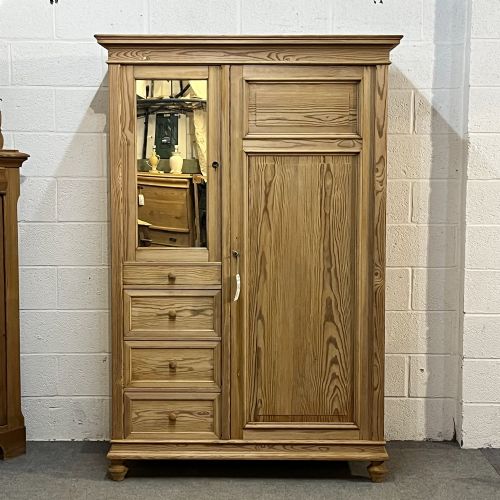
The pieces on this page lean heavily towards the Art Deco style, alongside 1930s Country and Cotswold School interpretations. Walnut, oak, and pine form the backbone of these constructions.
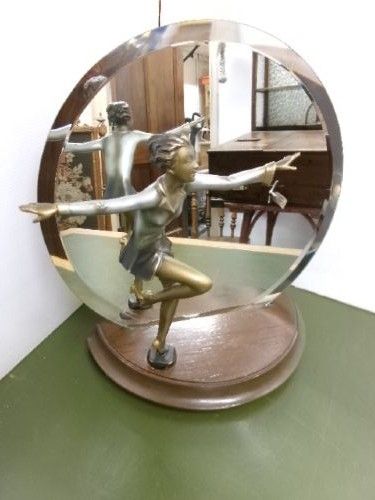
French Art Deco and English examples demonstrate how different workshops approached the aesthetic. These mirrors serve both functional and ornamental roles in modern interiors.
Materials and construction
Cabinet makers utilised walnut, burr oak, and pine to build these frames and associated furniture. Ebonised details and painted finishes frequently highlight the grain and geometric forms of the period.
Glass panels provide the reflective surface, paired occasionally with metal or spelter elements for decorative effect. Traditional joinery secures the wooden elements, ensuring durability across decades of use.
1930s Wooden Mirror Retail Price Guide 2026
Typical asking prices for 1930s wooden mirror among the pieces listed under this phrase on Sellingantiques today, from the lower quarter to the upper quarter. They describe what is for sale here now, not the wider market.
Listings feature walnut, oak, and pine across wall mirrors and dressing tables.
Assessing quality and finish
The selection of timber dictates much of the visual appeal, with figured burr walnut and carefully chosen oak sitting at the upper end of the scale. Superior pieces display thoughtful grain matching across the wooden frame.
The integration of the mirror glass within the wooden structure reveals the maker's hand. Finer examples show careful attention to edge bevels and secure backing, distinguishing standard production from exceptional workshop output.
Heals·Rowley Gallery
The 1930s Wooden Mirror Glossary
- Art Deco
- A design style characterised by sleek geometric shapes, streamlined forms, and stylised ornamentation popular in the interwar period. It influences the silhouette of many frames.
- Walnut
- A rich brown timber valued for its attractive grain pattern and durability. Cabinet makers often utilised veneers of this wood on prominent surfaces.
- Cotswold School
- A movement associated with traditional craftsmanship and simple, honest construction using solid woods. Pieces from this tradition emphasise natural material qualities.
- Compactum
- A large fitted wardrobe or combination cabinet providing hanging space and drawers. These often incorporate a central mirrored door.
1930s Wooden Mirror: Frequently Asked Questions
How do I hang a heavy wooden mirror?
Ensure your wall fixings match the weight of the timber and glass frame.
Utilise appropriate wall anchors and secure brackets to support the piece safely.
Are these mirrors all original Art Deco?
The selection spans pieces from the 1920s and 1930s, capturing the transition of interwar design.
Review individual descriptions to confirm the specific period of manufacture.
How should I clean a vintage mirror frame?
Dust the wooden surfaces gently with a dry or slightly damp soft cloth.
Avoid harsh chemical cleaners that might strip the original finish or damage the glass.
What woods were commonly used then?
Walnut and oak appear frequently, often chosen for their rich colour and strong grain.
Pine and other native timbers also serve as structural or secondary woods in cabinet work.