



1930s Wooden Dresser
These 1930s wooden dresser selections bring genuine period storage into the home, offering practical utility alongside striking modernist design.
1930s Wooden Dresser
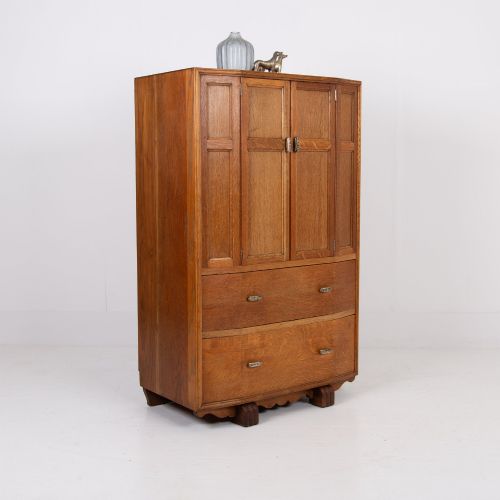
A 1930s wooden dresser encompasses practical storage forms including chests of drawers, tallboys, and cabinets designed for domestic utility. Buyers searching this phrase encounter substantial case pieces shaped by the design movements of the interwar decades.
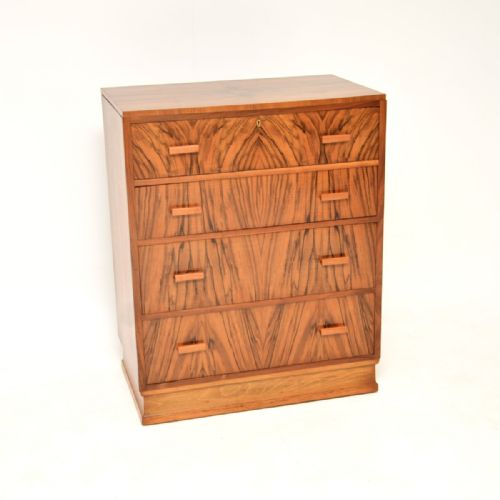
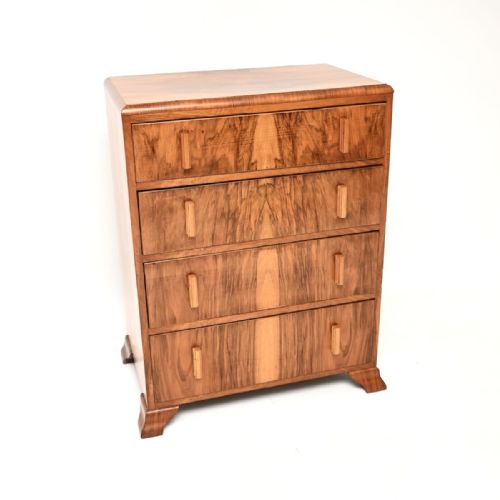
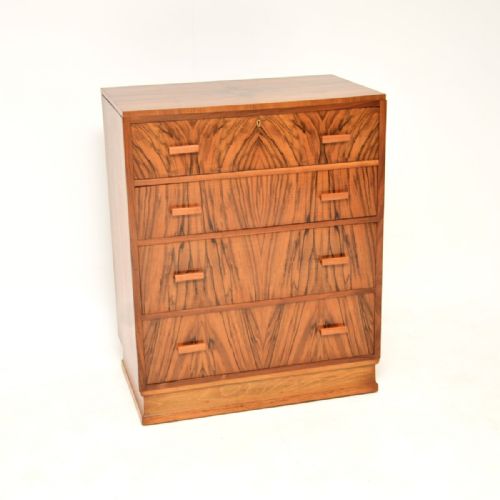
The version most commonly met on this page is the Art Deco chest of drawers, frequently constructed from figured walnut or oak. These pieces often feature clean architectural lines and original handles that define the domestic aesthetic of the period.
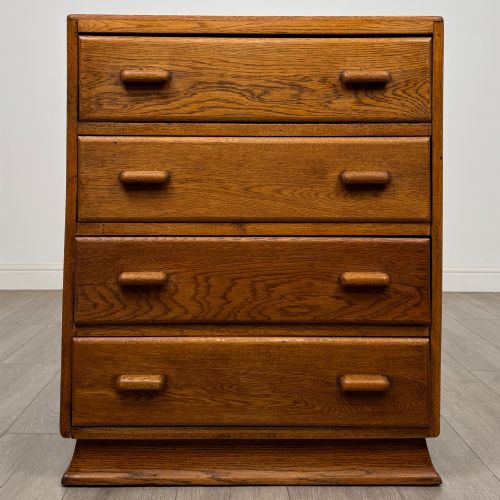
Examples also draw upon Edwardian and 1920s traditions, alongside limed oak finishes and regional variations such as Anglo-Indian carved work. Smaller pine formats and tall chests provide diverse storage solutions across these stylistic boundaries.
How they were made
Construction relies heavily on solid timber and decorative veneers, with oak and walnut forming the structural core of most pieces. Artisans applied figured walnut veneer to drawer fronts and surfaces to create striking grain patterns characteristic of Art Deco design.
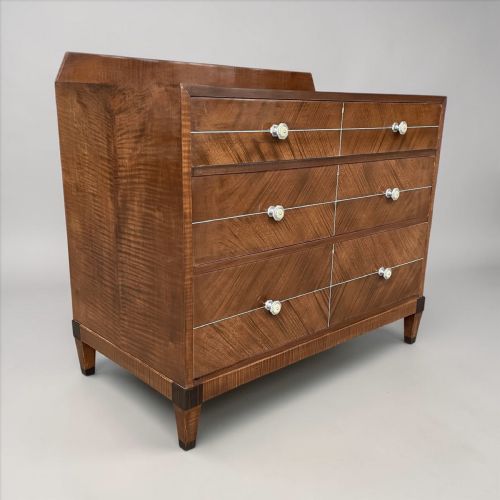
Detailing incorporates metal elements such as brass fixtures and occasionally Bakelite handles to complement the wooden carcases. Limed oak finishes introduced a lighter, textured appearance that contrasted with darker traditional woods.
1930s Wooden Dresser Retail Price Guide 2026
Typical asking prices for 1930s wooden dresser among the pieces listed under this phrase on Sellingantiques today, from the lower quarter to the upper quarter. They describe what is for sale here now, not the wider market.
Early plastic Bakelite handles bring a tactile touch of the future right to traditional wooden drawer fronts.
What varies in quality
The refinement of the timber selection dictates much of the distinction between pieces, particularly the choice between plain framing and highly figured walnut veneer. Masterful grain matching across multiple drawers demonstrates superior cabinetmaking skill.
Hardware integrity and the retention of original handles or specialised touches like Bakelite components elevate an example. Structural choices, such as the use of limed oak or intricate carving seen in Anglo-Indian pieces, further separate standard production from exceptional work.
Bowman Brothers
The 1930s Wooden Dresser Glossary
- Art Deco
- A design style characterised by sleek geometric shapes, streamlined forms, and rich materials that dominated the interwar period. It emphasises modernity and functional elegance in furniture construction.
- Tallboy
- A tall chest of drawers, often consisting of a wardrobe section above standard drawers or simply an elevated chest. This form maximises vertical storage capacity in smaller rooms.
- Limed Oak
- Oak treated with a specialised finish that leaves a whitish pigment in the grain pores. This technique lightens the wood while accentuating its natural texture.
- Wood Veneer
- A thin layer of superior timber applied over a secondary wood base to provide a decorative surface. Figured walnut veneers were widely utilised on 1930s drawer fronts.
- Bakelite
- An early synthetic plastic utilised for handles and decorative details on mid-century and 1930s furniture. Its durability and distinct tactile quality made it popular for hardware.
1930s Wooden Dresser: Frequently Asked Questions
What defines a 1930s wooden dresser?
These pieces comprise chests of drawers, tallboys, and cabinets built primarily from oak and walnut during the interwar years. They frequently display Art Deco styling through geometric lines and figured wood veneers.
Craftsmanship from this era prioritized functional storage paired with modern decorative appeal. Original handles and specialised finishes like limed oak help identify authentic period production.
Where were these pieces used?
These chests and cabinets served as primary bedroom storage for clothing, linens, and personal items in homes of the period. Tallboys and tall chests offered generous capacity while occupying a minimal floor footprint.
Sideboards and larger cabinets functioned in dining spaces and hallways for domestic organisation. Their sturdy construction ensured daily utility across decades of household use.
How do I care for walnut veneer?
Walnut veneer requires protection from direct sunlight and excessive moisture to prevent fading and lifting of the thin wood layer. Regular dusting with a soft, dry cloth preserves the polished surface without damaging the grain.
Occasional application of appropriate furniture wax maintains the moisture balance of the timber. Avoiding extreme temperature fluctuations prevents the underlying wood from expanding and stressing the veneer.