



1930s Wooden Chairs
These 1930s wooden chairs bring distinctive interwar character to a room, combining practical seating with period craftsmanship.
1930s Wooden Chairs
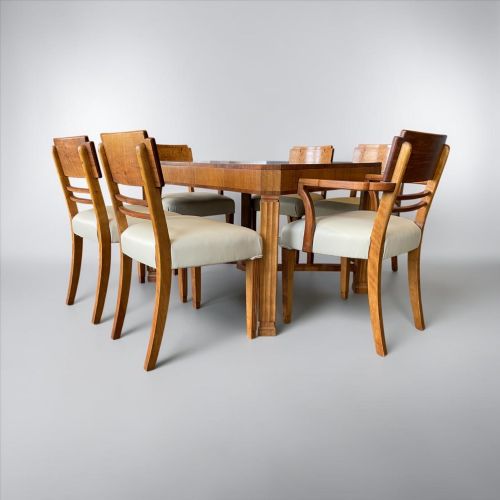
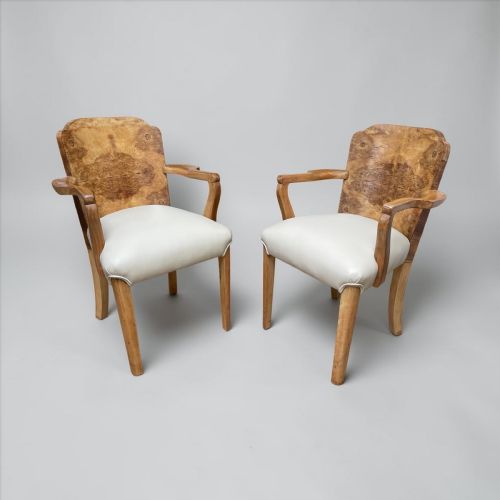
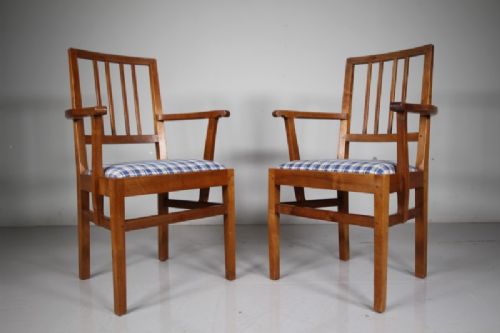
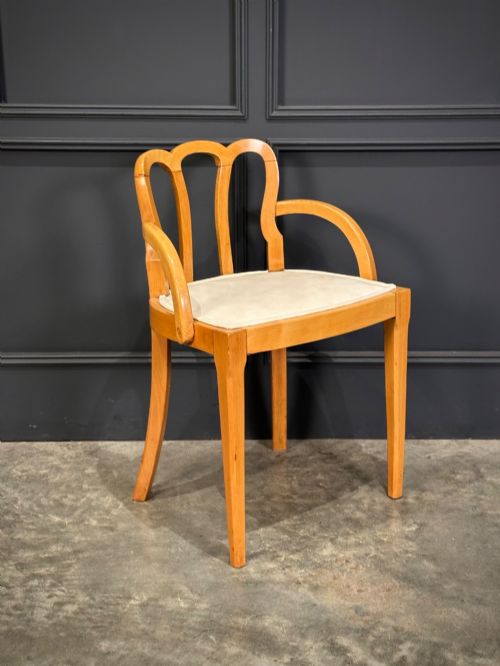
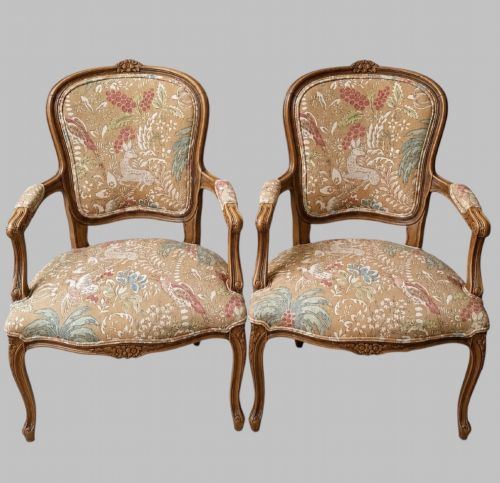
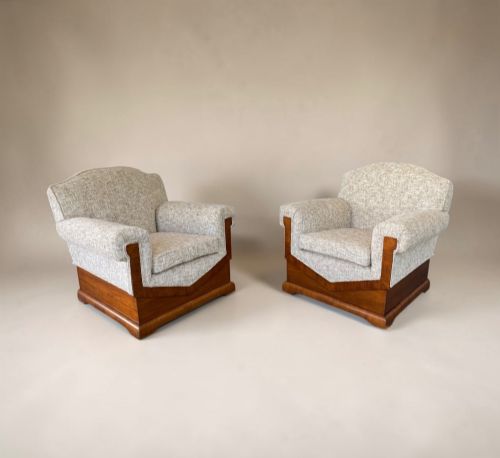
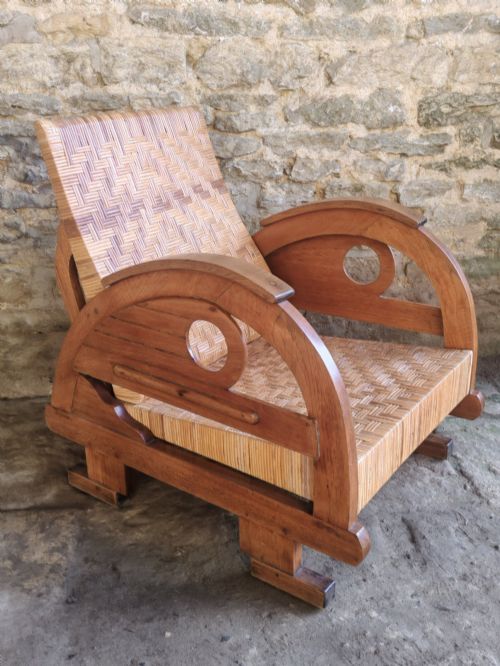
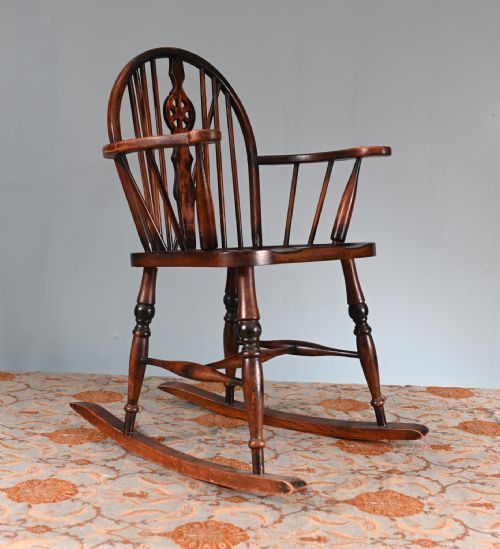
When searching for 1930s wooden chairs, buyers encounter a diverse selection of seating originating from the interwar period, spanning domestic and garden forms. The inventory includes armchairs, dining chairs, rocking chairs, and larger dining sets suited for various interior schemes.
How they were made
Makers utilised solid timbers such as oak, beech, walnut, and burr walnut, alongside satinwood and cast iron components for garden pieces. Bentwood techniques also appear among the construction methods for specific seating forms.
1930s Wooden Chairs Retail Price Guide 2026
Typical asking prices for 1930s wooden chairs among the pieces listed under this phrase on Sellingantiques today, from the lower quarter to the upper quarter. They describe what is for sale here now, not the wider market.
Object forms include dining sets, rocking chairs, garden armchairs, and occasional seating reflecting Art Deco and revival styles.
What varies in quality
The standard of materials and timber selection sets individual pieces apart, with figured woods like burr walnut or satinwood indicating finer production. Stamped maker marks provide documented provenance that elevates certain designs above unmarked workshop pieces.
The integrity of the frame construction and the preservation of original upholstery elements influence the character of each chair. Stylistic execution across varied revivals and Art Deco forms also reflects the skill involved in the original manufacture.
Edward Barnsley
The 1930s Wooden Chairs Glossary
- Art Deco
- A design style characterised by sleek geometric lines and modern ornamentation that emerged strongly during the interwar period. It heavily influences the armchair and dining chair forms seen in this era.
- Burr walnut
- A highly figured timber veneer derived from walnut tree growths, prized for its swirling grain patterns. It appears on select decorative furniture from the 1930s.
- Bentwood
- Wood heated and bent into curved structural shapes, commonly utilised for lightweight chair frames. This technique produced resilient seating during the 1920s and 1930s.
- Open armchair
- An armchair constructed without upholstered side panels, exposing the structural wooden arms. These frequently feature carved details or exposed grain.
- Bridge chair
- A compact, upholstered armchair designed originally for card games or occasional seating. These practical chairs often feature wooden frames and upholstered seats.
1930s Wooden Chairs: Frequently Asked Questions
What styles define 1930s wooden chairs?
The selection encompasses prominent Art Deco designs alongside traditional revivals like Chippendale and Neo-Rococo. Arts & Crafts and English Country influences also appear across the inventory.
Craftsmen produced various forms, from dining sets and occasional chairs to robust rocking chairs and garden armchairs.
Which woods were used in these chairs?
Workshops utilised standard hardwoods including oak, beech, and walnut for primary frames. More decorative pieces feature satinwood or burr walnut veneers.
Additional materials like rattan, cast iron, leather, and textiles frequently complement the wooden structures.
Are these chairs suitable for daily use?
Many examples function well for everyday dining or seating when structural integrity is maintained. Buyers should assess the frame stability and upholstery condition for daily living.
Pieces range from sturdy dining sets to occasional lounge chairs designed for relaxed sitting.
How do I identify a 1930s chair?
Dating relies on stylistic markers such as interwar Art Deco geometries or specific revival details combined with period construction methods. Stamped signatures from makers provide definitive attribution when present.
Materials and upholstery types further help contextualize the piece within the 1920 and 1930 production window.