



1930s Wood Chest
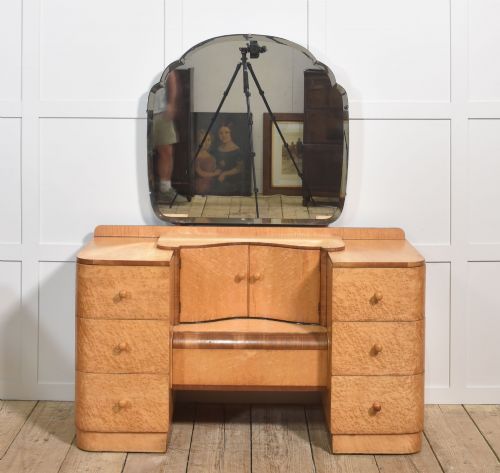
These 1930s wood chest examples bring genuine Art Deco presence to a bedroom or living space through figured veneers and clean geometric proportions.
1930s Wood Chest
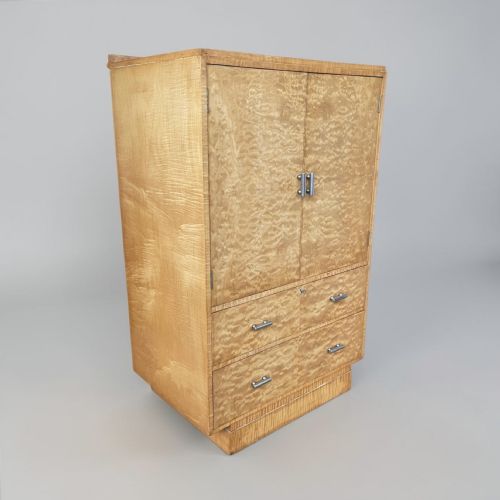
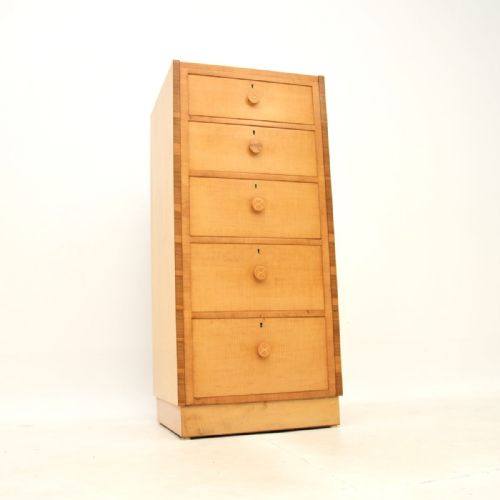
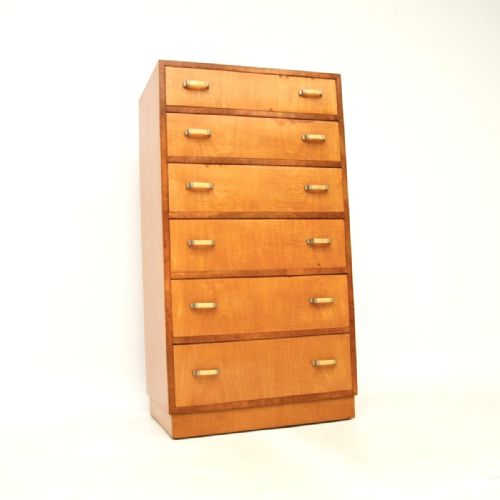
A 1930s wood chest encompasses utilitarian bedroom storage alongside cocktail cabinets, tallboys, and bedside units created during the interwar period. The prevalent aesthetic across these forms is Art Deco, frequently expressed through symmetrical drawer layouts and clean architectural silhouettes.
Buyers will most commonly encounter upright tallboys and multi-drawer chests executed in walnut or birds-eye maple. Pieces range from British factory production to specialised studio workshops, occasionally integrating metals and brass hardware.
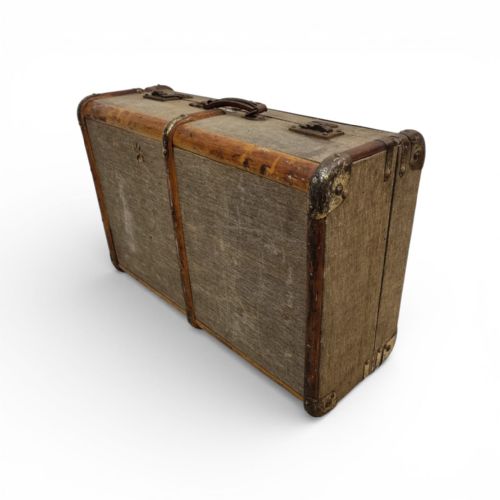
Alternative forms appearing within this search category include dressing tables with mirrors, travel trunks, and drinks cabinets. These varied pieces share a distinct period focus on patterned timber grains and streamlined functional design.
Materials and construction methods
Cabinet makers of the era relied heavily on fine veneers such as birds-eye maple, sycamore, satinwood, and walnut applied over sturdier timber carcases. This technique allowed craftsmen to display striking natural grain patterns across wide drawer fronts and cabinet doors.
Hardware typically featured brass or contrasting metal details that anchored the geometric lines of the Art Deco style. Selected pieces also incorporated carved wooden ornament, particularly evident in Anglo-Indian examples from the same decade.
1930s Wood Chest Retail Price Guide 2026
Typical asking prices for 1930s wood chest among the pieces listed under this phrase on Sellingantiques today, from the lower quarter to the upper quarter. They describe what is for sale here now, not the wider market.
Listings span the 1920s and 1930s periods, featuring walnut, birds-eye maple, sycamore, satinwood, and brass across various storage forms.
Assessing quality in period furniture
The sophistication of the veneer matching largely defines the visual success of a piece, with book-matched grains creating symmetrical patterns across the front elevation. Maker attribution also plays a role, as identifiable workshops maintained strict standards in internal drawer construction and timber selection.
Design ambition separates standard production models from exceptional items, particularly where modernist silhouettes or specialised forms like drinks cabinets and tallboys are concerned. The integration of auxiliary materials like brass and contrasting light timbers further elevates the finish of superior examples.
Hille·Epstein·Betty Joel·Heal's
The 1930s Wood Chest Glossary
- Art Deco
- A design style dominant in the 1920s and 1930s characterised by streamlined forms, geometric symmetry, and luxurious materials.
- Tallboy
- A tall chest of drawers, often consisting of a wardrobe or cupboard section sitting atop a chest base.
- Veneer
- A thin layer of figured wood applied over a base timber carcase to create decorative surface patterns.
- Birds Eye Maple
- A figured timber variety featuring small circular eyes or dots within the grain, popular in interwar cabinet making.
- Drinks Cabinet
- A specialised storage piece designed for glassware and bottles, frequently fitted with mirrored interiors and drop-down serving surfaces.
1930s Wood Chest: Frequently Asked Questions
What defines a 1930s wood chest?
These pieces are characterised by interwar Art Deco styling, utilising figured veneers like walnut and birds-eye maple across tallboys, dressers, and drawer chests.
They combine functional storage capacity with decorative geometric surfaces suited to modern interiors.
How do I identify Art Deco furniture?
Look for symmetrical grain patterns, streamlined silhouettes, and the use of contrasting light and dark timbers such as sycamore and walnut.
Hardware is typically minimal or cast in brass to complement the clean architectural lines of the period.
Where should I place a tallboy?
A tallboy offers vertical storage, making it practical for bedrooms with limited floor space while providing a strong visual focal point.
Ensure it has adequate clearance to open drawers fully without obstructing walkways or doors.
How do I care for veneered wood?
Keep veneered surfaces away from direct sunlight and excessive moisture to prevent the thin outer timber layer from fading or lifting.
Dust regularly with a dry cloth and occasionally apply a suitable furniture wax to maintain the sheen.