



1930s Vanity Bottle
A 1930s vanity bottle brings geometric glamour to a dressing table, combining functional storage with striking Art Deco design.
1930s Vanity Bottle
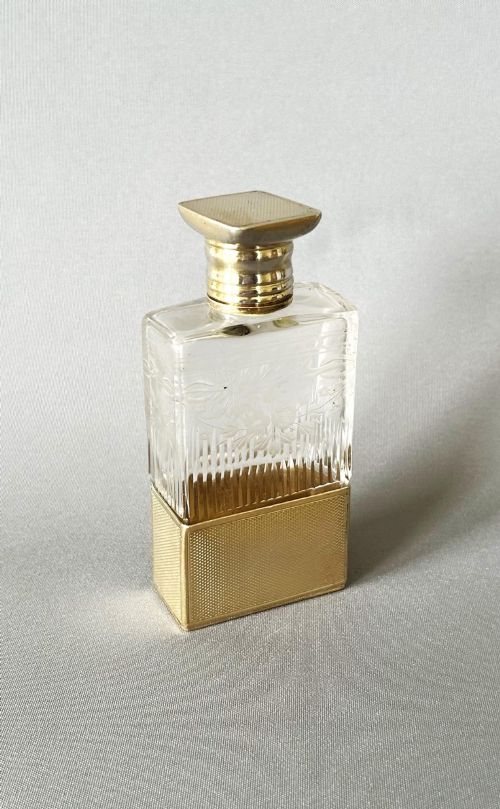
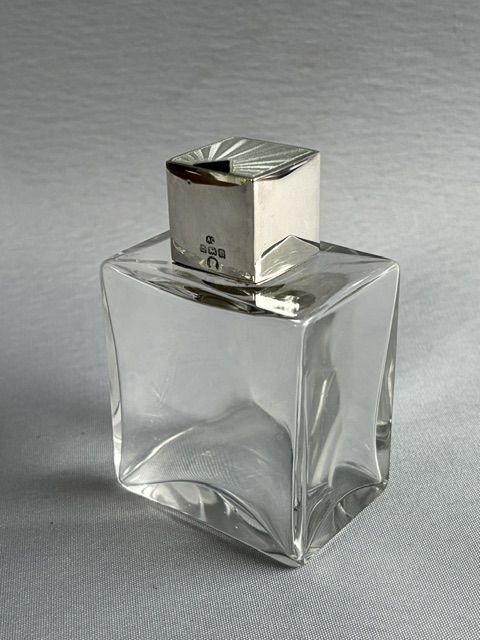
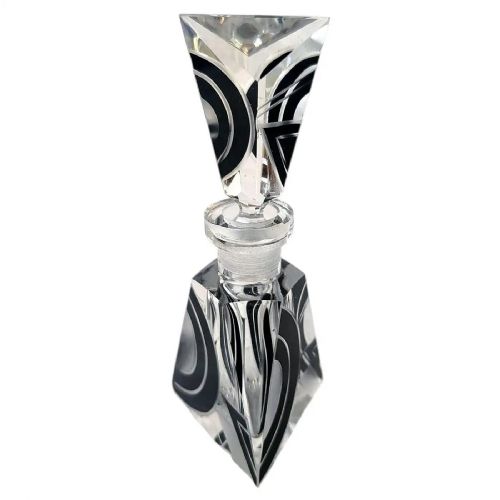
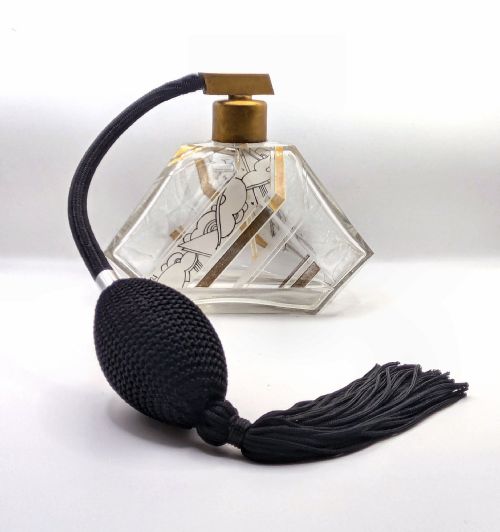
When someone searches for a 1930s vanity bottle, they encounter dressing table accessories designed in the Art Deco style that held pride of place in domestic interiors. These items primarily take the form of perfume bottles, scent bottles, and atomisers, alongside occasional powder boxes and vanity jars.
The versions met most frequently on this page originate from continental Europe, particularly Bohemia and the Czech Republic, alongside French production. Makers and designers from these regions utilised bold geometric forms and vibrant glass colours to capture the aesthetic of the era.
How they were made
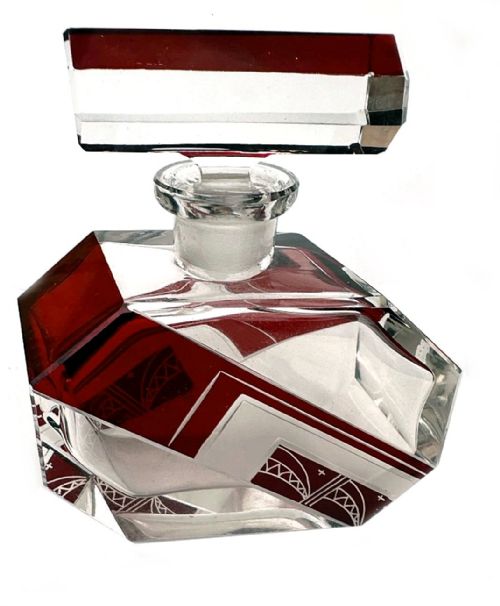
Glassmakers shaped heavy crystal and coloured glass through cutting, moulding, and pressing to achieve sharp geometric facets or soft opalescent translucence. Cut glass surfaces interact with light, while opalescent glass diffuses it across the contours of the piece.
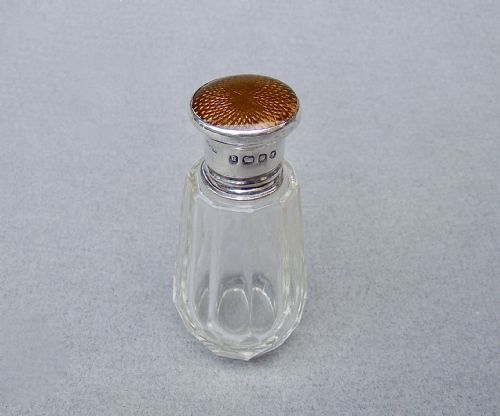
Metal components such as sterling silver and chrome mountings provide contrast to the glass body. Enamel work, including guilloche techniques, adds coloured bands and panels to caps and collars, frequently paired with fabric elements on functional atomiser mechanisms.
1930s Vanity Bottle Retail Price Guide 2026
Typical asking prices for 1930s vanity bottle among the pieces listed under this phrase on Sellingantiques today, from the lower quarter to the upper quarter. They describe what is for sale here now, not the wider market.
Listings feature glass, enamel, chrome, fabric, opalescent glass, cut glass, sterling silver, and crystal across the 1930 and 1920 periods.
What varies in quality
The distinction between standard production and top-tier pieces rests on attribution and material depth. Works bearing documented design from recognised makers demonstrate superior precision in glasscutting and enamel application compared to uncredited factory output.
The complexity of the glass body and the refinement of the metal fittings dictate the overall standard. Heavy crystal with intricate geometric cuts or deep-toned enamel work reflects greater manufacturing ambition than simple moulded vessels.
Karl Palda·Henry Perkins·Rene Lalique·Rudolf Hlousek·Sabino·Hermanova·Goldsmith's and Silversmith's Co.
The 1930s Vanity Bottle Glossary
- Atomiser
- A perfume bottle fitted with a spray mechanism, usually comprising a bulb and fabric-covered hose or a metal pump assembly. These mechanical tops allowed liquid scent to be misted rather than dabbed.
- Guilloche enamel
- A decorative technique where precise geometric patterns are machined into metal before translucent enamel is applied over the top. This process creates a shimmering, patterned depth beneath the coloured surface.
- Opalescent glass
- Glass that displays a milky translucence with shifting blue or amber tones when lit from various angles. Makers used this formulation to give figures and vessels a glowing appearance.
- Cut glass
- Glassware shaped and patterned by holding the material against rotating abrasive wheels. The resulting deep facets catch ambient light and define the geometric lines typical of the period.
1930s Vanity Bottle: Frequently Asked Questions
What is a 1930s vanity bottle?
These items are dressing table containers designed to hold perfume, scent, or cosmetics during the interwar period. They reflect the prevalent Art Deco style through geometric shapes and coloured glass.
They functioned as both personal grooming tools and decorative objects displayed openly on mirrored trays or dressing tables. Their varied forms include simple stoppered bottles and complex spray atomisers.
How do I identify a 1930s scent bottle?
Identification relies on observing characteristic Art Deco design markers such as stepped geometries, sunray motifs, and angular cutting. Materials typically involve heavy cut glass, chrome, or coloured enamel.
Many pieces also carry maker signatures or country marks on the base or metal collar, pointing to centres of production in France or Bohemia.
How were vanity bottles used?
Owners filled these vessels with liquid perfumes, colognes, or bath oils for daily grooming routines. Atomiser versions allowed the fragrance to be sprayed directly onto the skin or clothing via a squeeze bulb.
Matching sets often grouped perfume bottles together with powder boxes and lidded jars on a shared glass or mirrored tray.
How do I display these bottles at home?
Placing these pieces on a mirrored vanity tray or a glass-shelf cabinet lets light pass through the coloured and cut glass surfaces. Grouping items of varying heights creates a balanced display.
Keeping them away from direct, harsh sunlight prevents potential fading in certain enamel colours while maintaining the decorative focus of the dressing area.