



1930s Sterling Silver Bowls
These 1930s sterling silver bowls bring geometric styling and crisp metalwork to the table, offering a tangible piece of interwar design.
1930s Sterling Silver Bowls
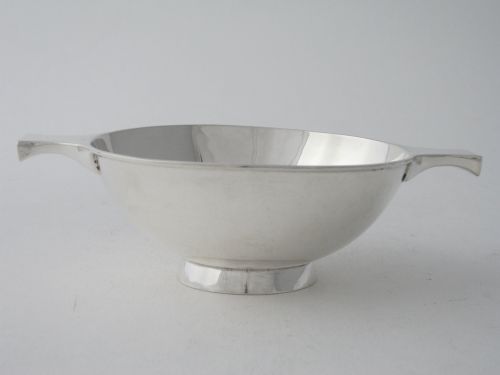
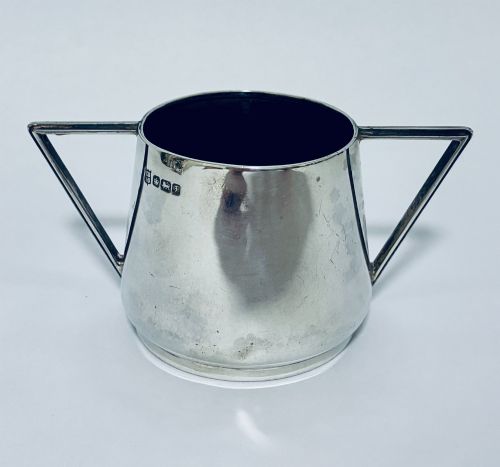
When searching for 1930s sterling silver bowls, collectors encounter diverse forms including sugar bowls, dessert dishes, bonbon dishes, and dressing table accessories. The items spanning this decade draw heavily upon Art Deco geometry and George V elegance, alongside occasional Arts and Crafts influences.
The objects listed here range from simple planished vessels to complex pieces incorporating contrasting materials. Buyers frequently meet items dated between 1930 and 1936, reflecting both mass production and individual craftsmanship from Birmingham and Sheffield assay offices.
Materials and construction
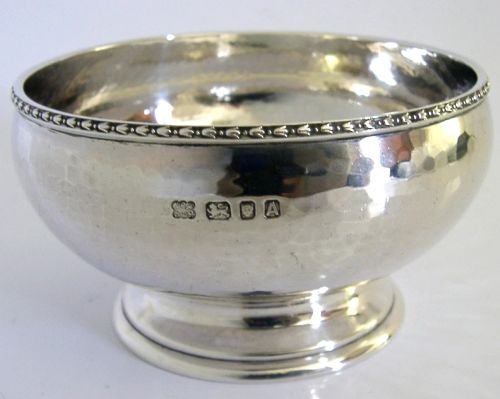
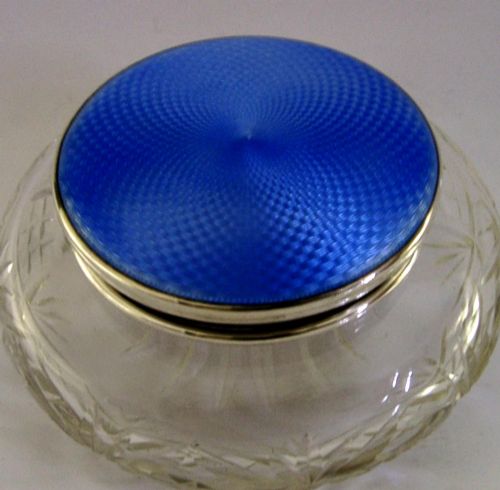
Silversmiths utilised sterling silver alongside unexpected decorative elements such as blue enamel, tortoiseshell, glass liners, and early plastics like Bakelite. Hammered and planished surfaces reveal the physical manipulation of the metal through manual raising and beating techniques.
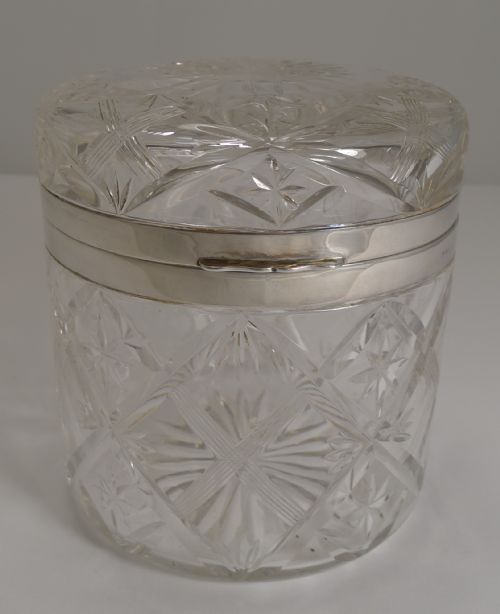
Cut crystal and glass provide transparent contrast to the solid silver mounts, while hinged or fitted elements demonstrate precise metalworking and joinery skills common to the period.
Current listings demonstrate a notable material overlap between sterling silver, glass, enamel, and tortoiseshell across the 1930 and 1920 periods.
Judging quality in interwar silver
Quality separates simple stamped production from items displaying deliberate surface texture, such as hand-hammered planished finishes. The integration of auxiliary materials like translucent enamel or genuine tortoiseshell elevates the complexity of the piece.
Maker execution and structural integrity define the upper tier of these vessels, particularly where glass liners remain intact and hallmarks stay crisp and legible across the silver components.
Viners
The 1930s Sterling Silver Bowls Glossary
- Sterling silver
- An alloy containing 92.5 percent silver by mass, with the remainder composed of copper or other metals. This standard ensures durability for domestic tableware.
- Planished
- A metalworking finish achieved by hammering the surface with a small, flat-faced hammer to create subtle, overlapping facets. This technique hardens the silver while leaving a distinctive textural pattern.
- Bakelite
- An early form of thermosetting plastic developed in the early twentieth century, utilised for handles and decorative accents in Art Deco design. Its stability and rich colour made it popular alongside silver.
- Hallmark
- An official stamp applied to precious metals indicating the standard of purity, the assay office, and the date letter. British items frequently display distinct town marks and reigning monarch profiles.
1930s Sterling Silver Bowls: Frequently Asked Questions
What styles define 1930s sterling silver bowls?
Art Deco geometry and George V traditionalism dominate the aesthetic of these decades, often displaying clean lines or stepped motifs. Occasional Arts and Crafts survivals show a preference for hand-wrought surfaces and visible hammer marks.
Buyers also encounter utilitarian vessels paired with coloured glass liners or contrasting organic materials that reflect the changing tastes of the period.
How are these bowls dated accurately?
British silver relies upon official hallmarking systems that include specific date letters assigned by assay offices in cities like Birmingham and Sheffield. These stamps provide the precise year of testing and manufacture.
Additional stylistic indicators, such as Deco typography or maker marks, help confirm the decade of production when integrated with standard assay evidence.
What auxiliary materials accompany the silver?
Manufacturers frequently combined sterling silver with cut crystal, pressed glass, and coloured enamel panels in pink or blue tones. Tortoiseshell and Bakelite also appear as contrasting inlays or structural components.
These varied substances were chosen to enhance the visual appeal of dressing table accessories, bonbon dishes, and sugar bowls during the interwar era.
How should silver and enamel bowls be maintained?
Gentle cleaning with a soft microfibre cloth prevents the abrasion of delicate enamel, tortoiseshell, or Bakelite sections. Standard silver polish should be kept away from non-metal inserts to avoid chemical damage.
Store these vessels in stable humidity environments to protect organic components from shrinking or cracking away from the silver mounts.