





1930s Silver Pendant
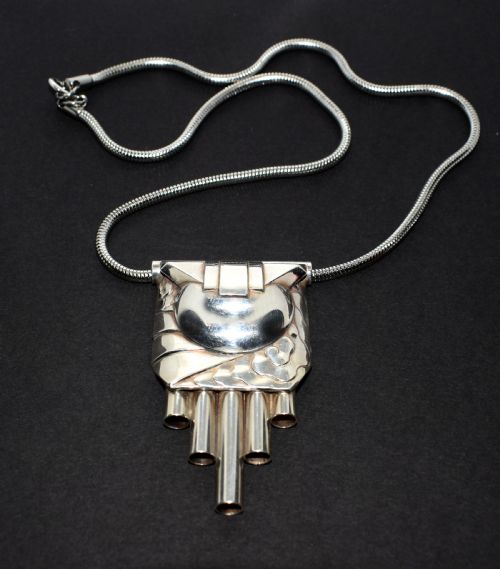
These 1930s silver pendants bring together clean geometric lines and precise metalwork from the interwar period, offering wearable design that collectors prize.
1930s Silver Pendant
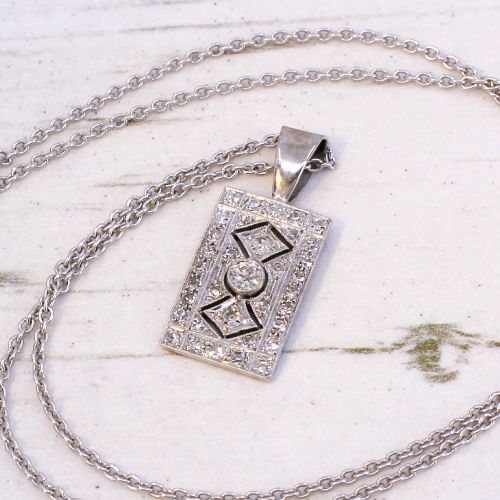
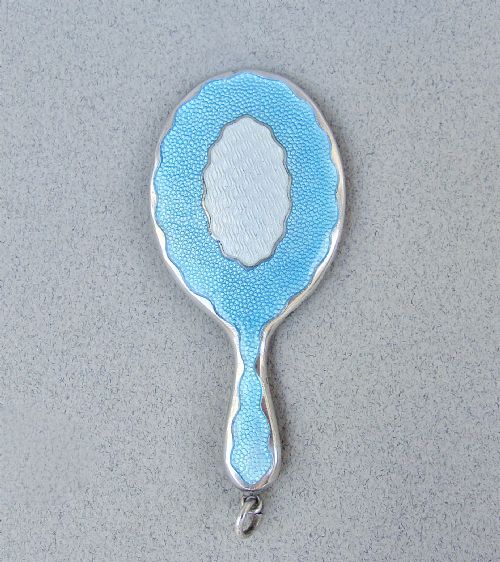
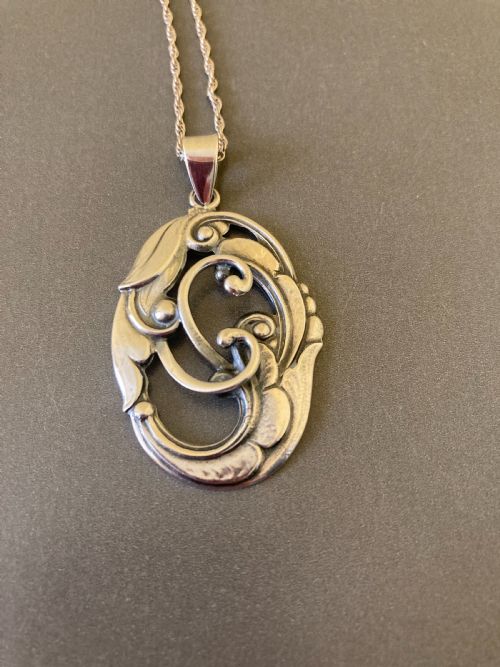
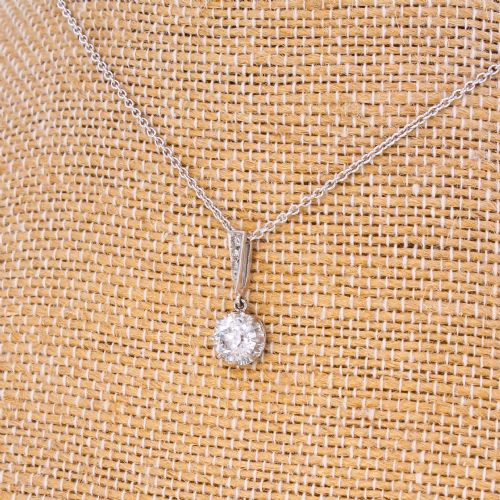
When searching for a 1930s silver pendant, buyers encounter pieces defined largely by the geometric vocabulary of the period. These range from sleek sterling silver designs featuring natural motifs like stags and leaping deer to intricate creations set with diamonds and platinum.
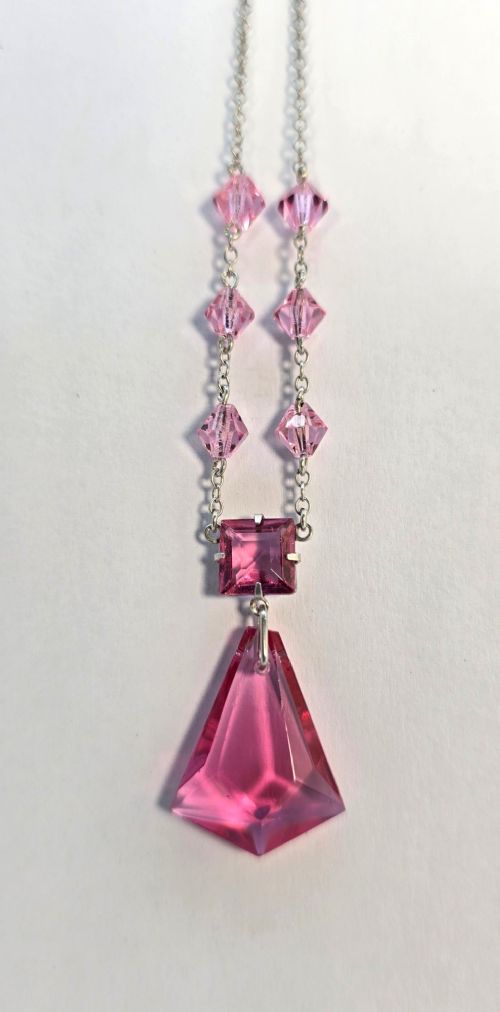
Scandinavian workshops contribute heavily to the available pool, particularly Danish and Norwegian makers producing solid silver animal and leaf motifs. Alongside these northern European designs, British and continental makers offer medallion pendants, enamel work, and crystal combinations.
How they were made
Makers shaped these pieces primarily from sterling silver, silver plate, and platinum, frequently incorporating stones such as diamonds and onyx. Metal components often met with glass, crystal, enamel, and bakelite to create contrasting textures and colours characteristic of the decade.
Techniques relied on precise cutting of stones alongside metal casting, stamping, and hand-finishing for enamel details. Artisans utilised settings that kept the focus squarely on the geometry of the metalwork or the clarity of the central stone.
1930s Silver Pendant Retail Price Guide 2026
Typical asking prices for 1930s silver pendant among the pieces listed under this phrase on Sellingantiques today, from the lower quarter to the upper quarter. They describe what is for sale here now, not the wider market.
Stags, leaping deer, hummingbirds, and foals frequently keep watch over the silver work.
What varies in quality
Quality rests in the precision of the metal fabrication and the execution of any decorative elements like enamel or stone setting. Superior examples show crisp lines and secure stone mountings without residual tool marks or uneven surfaces.
The choice of materials also dictates the tier of a piece, moving from simple chrome and base metal versions up to solid sterling silver, platinum, and high-carat diamond configurations. Maker attribution further separates standard production items from workshop-specific designs.
Georg Jensen·Bernard Hertz·Henry Williamson·Jakob Bengel·Émile-Jacques Ruhlmann
The 1930s Silver Pendant Glossary
- Sterling silver
- An alloy consisting of silver and other metals, usually copper, formulated to increase durability while maintaining a bright lustre.
- Platinum
- A dense, malleable precious metal used in high-end jewellery to securely hold diamonds and provide a durable white finish.
- Guilloché
- A decorative technique in which a precise, intricate pattern is mechanically engraved into metal beneath a translucent layer of enamel.
- Old cut
- A diamond facet style popular before the mid-twentieth century, characterised by a smaller table, higher crown, and distinct culet.
1930s Silver Pendant: Frequently Asked Questions
How do I identify a genuine 1930s pendant?
Authenticity relies on checking hallmarks, maker marks, and construction techniques typical of the interwar period. Look for period-correct clasps, settings, and regional silver standards.
Compare the design vocabulary against known modernist and Art Deco motifs of the era. Substantial weight and honest wear patterns also help confirm period manufacture.
How should I clean my silver pendant?
Clean silver pendants gently using a soft microfibre cloth designed for precious metals. Avoid harsh chemical dips, especially if the piece includes enamel, glass, or soft stones.
Store the item in a dry, tarnish-resistant pouch away from direct sunlight. Regular, gentle dusting preserves both the metal finish and any delicate surface details.
Can I wear a vintage pendant daily?
Most solid silver and platinum pendants withstand regular wear provided they receive proper care. Check the loop and chain connection periodically to ensure the security of the suspension.
Pieces incorporating fragile elements like glass, bakelite, or delicate enamel require extra caution during daily use. Removing the jewellery before sleeping or swimming prevents unnecessary strain.