




1930s Silver Jewellery
These pieces of 1930s silver jewellery combine sharp geometric lines with colourful enamel and bright stones, offering a distinct modernist look that collectors prize.
1930s Silver Jewellery
The objects appearing here span from English silver watch chains and Birmingham-hallmarked boxes to continental European enamel work and Chinese export pieces. Bracelets range from chromium and enamel link designs to solid silver panel pieces.
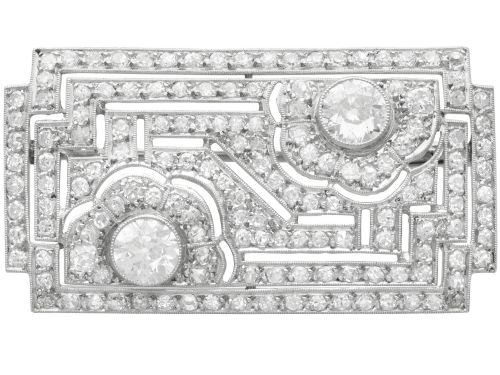
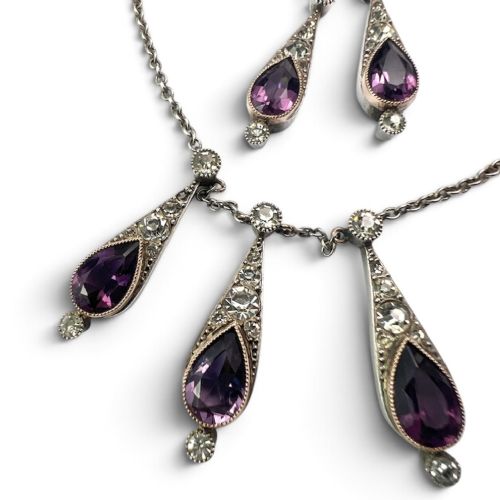
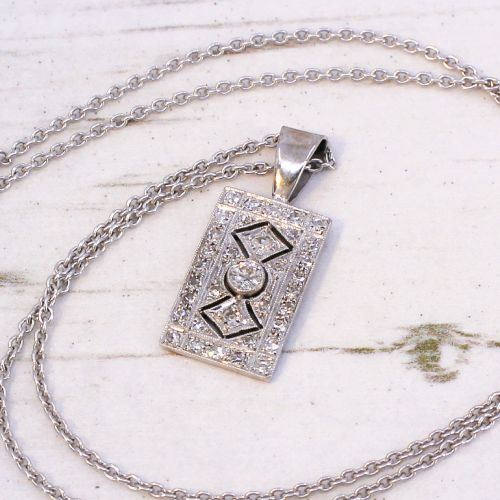
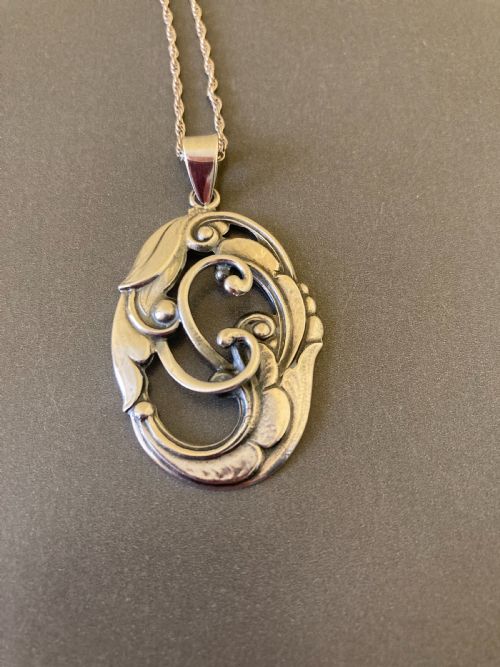
Many items display strong associations with the Art Deco style, incorporating synthetic stones, paste, marcasite, and diamonds mounted in silver or platinum. You will also find specific regional variations, including Scandinavian sterling silver and Danish pendants.
How they were made
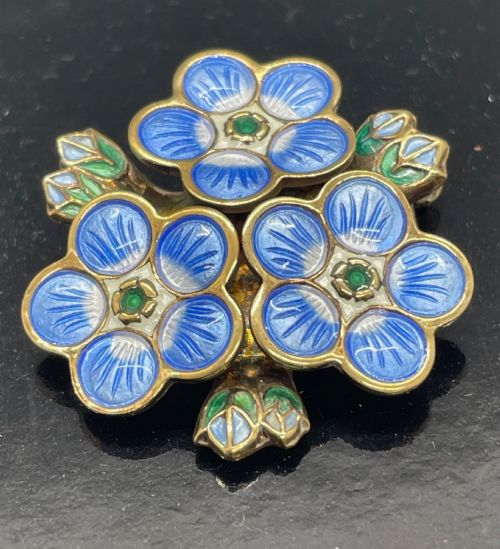
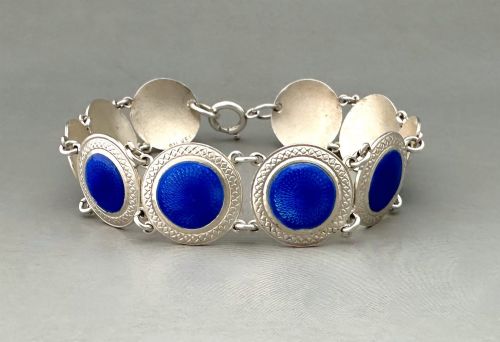
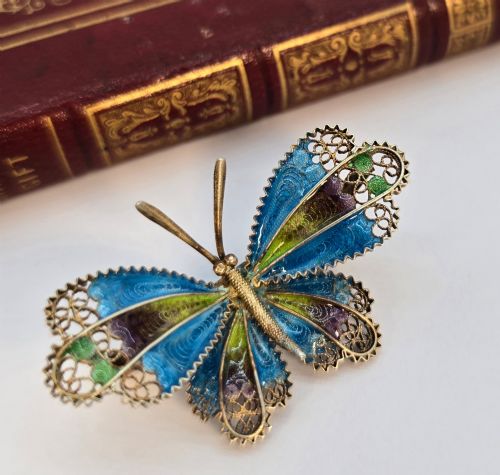
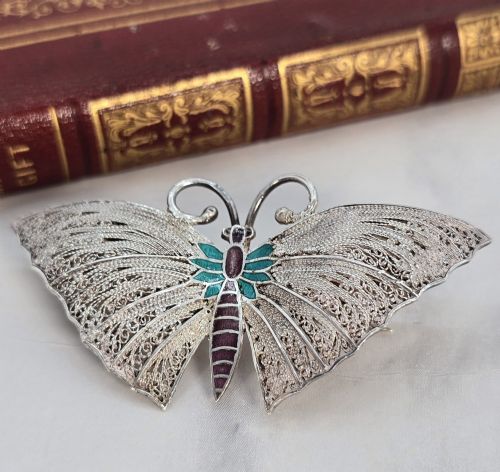
Makers utilised sterling silver and silver gilt alongside chrome, metal, and platinum to form the structural foundations of these rings, brooches, and bracelets. Surface decoration frequently involved vibrant guilloche enamel, adding coloured panels to geometric links and butterfly motifs.
Gemstones such as diamonds, moonstones, chalcedony, chrysoprase, onyx, and amazonite were hand cut and set into the metalwork. Filigree techniques and marcasite settings added detailed texture to brooches and necklaces.
Listings feature silver, platinum, enamel, and diamonds across periods spanning from 1920 to 1940.
What varies in quality
The standard of 1930s silver jewellery depends heavily on the precision of the metalwork and the preservation of the enamel. Pieces featuring intricate filigree or complex geometric panel construction show greater artisan skill than simpler stamped links.
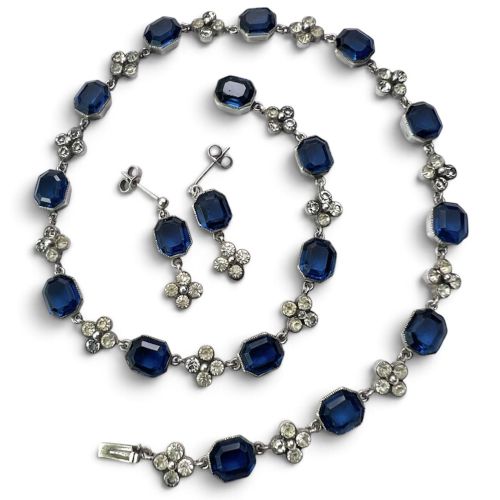
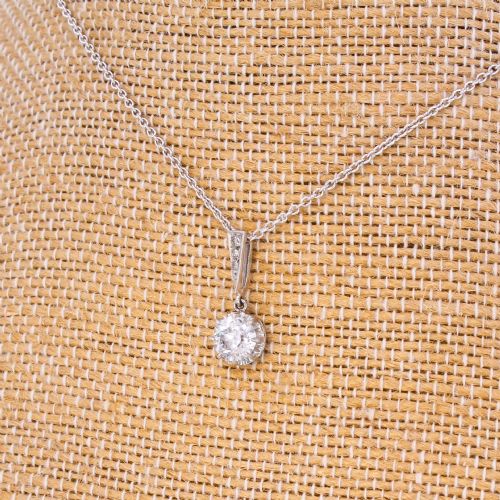
The quality also rests on the choice of materials, distinguishing between paste or glass stones and genuine old cut diamonds set in platinum. Intact guilloche enamel without chipping separates standard production items from finer workshop pieces.
Jakob Bengel·Georg Jensen
The 1930s Silver Jewellery Glossary
- Art Deco
- A design style dominant in the 1920s and 1930s characterised by sleek geometric shapes, stylised motifs, and streamlined forms. It influenced everything from architecture to small personal accessories.
- Marcasite
- Small faceted pyrite stones polished and set closely together in silver to create a sparkling, dark metallic effect. This technique was widely utilised for brooches and earrings.
- Guilloche enamel
- Decorative enamel applied over a mechanically engraved metal background that shows a pattern through the translucent coloured glass. It is commonly found on compacts, boxes, and bracelet links.
- Paste
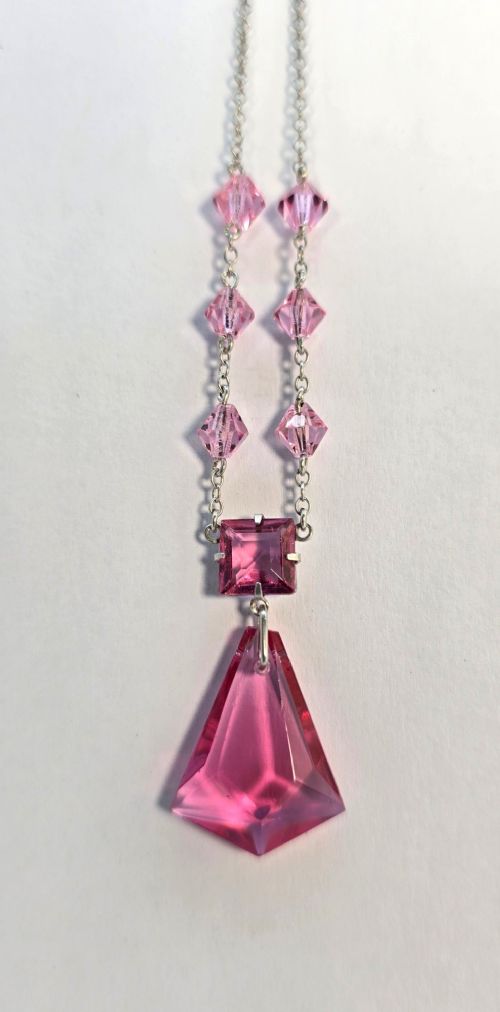
- Hand-cut glass or lead crystal used as an imitation gemstone in jewellery. High quality paste stones were meticulously faceted to mimic real diamonds or coloured gems.
- Platinum
- A dense, malleable, and ductile precious metal used for high-end mountings and diamond settings during the period due to its strength and bright white lustre.
1930s Silver Jewellery: Frequently Asked Questions
What defines 1930s jewellery?
The period style relies heavily on geometric lines, symmetrical patterns, and industrial influences. Makers combined traditional silver smithing with modern materials like chrome and coloured enamel.
Items from this decade often embrace the Art Deco aesthetic, moving away from ornate floral designs toward streamlined architectural shapes.
How do I wear these pieces?
These items suit modern wardrobes well because their clean geometric lines pair easily with contemporary tailoring and evening wear. Brooches work effectively on lapels, while link bracelets stand out when worn alone.
Care should be taken with delicate elements such as enamel panels and butterfly wing components, avoiding exposure to harsh chemicals or water.
Are these items marked?
Many pieces carry stamps indicating silver purity, country of origin, or maker marks. English examples often feature town assay office marks, such as Birmingham, alongside date letters.
Continental and Scandinavian pieces frequently include specific maker signatures or simple sterling designations stamped onto the reverse of the metal.
What stones were used?
Jewellers utilised a mix of precious and decorative stones during this era. Old cut diamonds and moonstones appear in platinum or silver settings for finer pieces.
For colourful impact, makers turned to chalcedony, chrysoprase, onyx, amazonite, and synthetic paste stones alongside coloured glass and marcasite.