




1930s Silver Dish
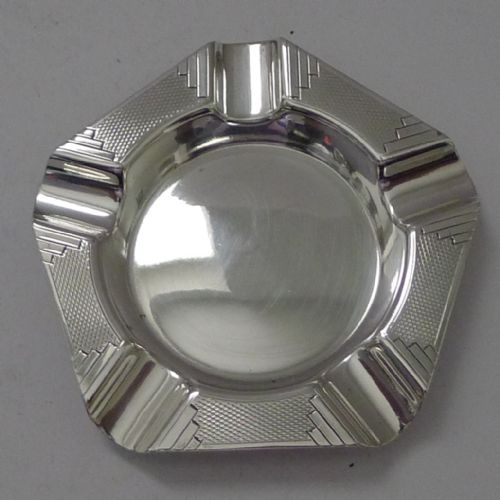
A 1930s silver dish brings the sharp geometry and tactile weight of the interwar years straight to a modern interior.
1930s Silver Dish
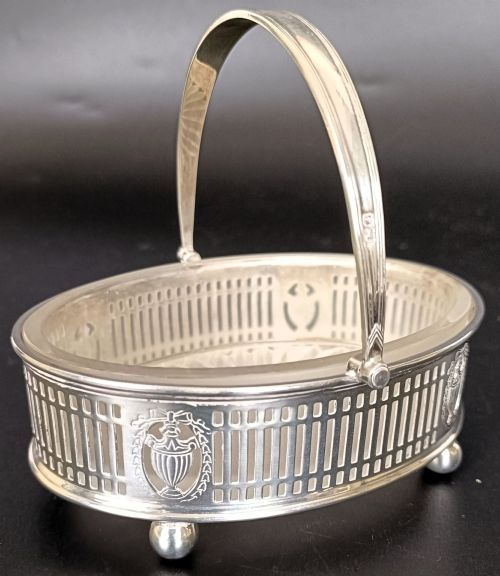
A 1930s silver dish encompasses a varied array of domestic items, from ashtrays and bonbon bowls to bread baskets and vanity jars. You will frequently encounter forms shaped by the dominant design movements of the decade, notably Art Deco and Arts & Crafts aesthetics.
The objects serve both decorative and functional purposes on tables and dressing furniture. Pieces range from small salt cellars with cobalt glass liners to substantial George V sterling silver bowls and French plated serving dishes.
Originating predominantly from British silversmiths and continental workshops, these items reflect the craftsmanship of an era transitioning between traditional revival styles and bold modernism. The selection balances functional tableware with dressing table accessories.
How they were made
Makers utilised sterling silver and silver plate alongside contrasting materials like cut glass, enamel, and tortoiseshell. Techniques such as planishing and hammering left visible surface textures on Arts & Crafts bowls.
Many items incorporate fitted liners made of cobalt glass or clear cut glass, held securely within pierced or solid metal frames. Swing handles, applied borders, and hinged covers demonstrate precise mechanical assembly alongside traditional silversmithing.
1930s Silver Dish Retail Price Guide 2026
Typical asking prices for 1930s silver dish among the pieces listed under this phrase on Sellingantiques today, from the lower quarter to the upper quarter. They describe what is for sale here now, not the wider market.
Listings feature sterling silver, silver plate, glass, enamel, wood, cobalt glass, tortoiseshell, and cut glass across multiple European origins.
What varies in quality
The thickness of the silver or the weight of the base metal determines the structural integrity and hand-feel of each dish. Substantial gauge silver and heavy plating withstand decades of polishing better than thinner alternatives.
The precision of decorative elements, such as the clarity of hand-hammered facets, the alignment of enamel work, and the snug fit of glass inserts, separates standard production items from finer studio pieces.
Walker & Hall·John Hunt·Viners·Brille·Christofle
The 1930s Silver Dish Glossary
- Sterling silver
- An alloy containing 92.5 percent silver by mass, standard for British hallmarked tableware of this period. This composition ensures durability while maintaining a bright metallic lustre.
- Planished
- A surface texture created by light, systematic hammer blows across the metal. This technique hardens the silver while producing a distinct, light-catching finish.
- Comport
- A decorative pedestal bowl or dish used for serving fruit or sweets. These elevated pieces display prominent geometric forms typical of continental design.
- Cobalt glass
- Deep blue glass frequently utilised for removable liners within open salts and condiment dishes. The intense colour contrasts sharply with polished silver and plate.
1930s Silver Dish: Frequently Asked Questions
How do I clean a silver dish?
Use a soft cloth and a gentle, non-abrasive silver polish to remove tarnish without scratching the metal surface.
Avoid submerging pieces that combine silver with organic materials like tortoiseshell or delicate glass liners.
Can I use these dishes for food?
Many solid silver and plated vessels work well for serving dry items, bread, or fruit during meals.
Dishes with enamel work or fitted glass liners suit presentation and display rather than heavy daily use.
What defines Art Deco silver?
Art Deco pieces utilise clean geometric lines, stylised motifs, and stark contrasts between polished metal and dark glass.
This aesthetic rejected Victorian ornamentation in favour of streamlined modernity and industrial influence.
How do I identify the period?
British pieces often carry hallmarks indicating the assay office, standard mark, and date letter for the specific year.
Stylistic cues such as planished surfaces or modernist handles also help date items to the interwar decade.