

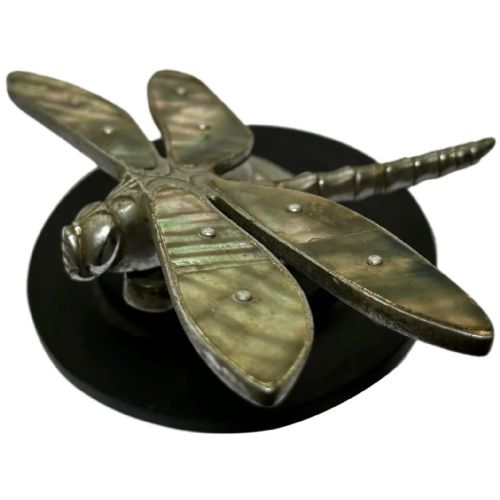


1930s Silver Collectible
These pieces of 1930s silver collectible bring practical pocket watches, detailed compacts and small desk items from the Art Deco and Arts and Crafts periods straight to your hands.
1930s Silver Collectible
A 1930s silver collectible brings together small personal accessories and desk objects produced during the 1930s. When you search for a 1930s silver collectible, you are looking at items designed for daily pocket use, grooming or presentation.
The most common examples on this page are pocket watches, powder compacts and small presentation items. These objects capture the distinct design shifts of the decade.
Materials range from sterling silver and chrome to enamel and glass. Makers applied these substances to utilitarian objects, turning everyday tools into decorative keepsakes.
How they were made
Makers shaped sterling silver and base metals through stamping, casting and turning, depending on whether the object was a rigid compact case or a delicate car mascot. Surfaces often received hand-finished engraving or smooth polished planes.
Vitreous enamel and coloured glass were applied to metal backings to create vibrant geometric patterns typical of the Art Deco style. These layers were fired and set into bezels or recessed channels within the silver or chrome frames.
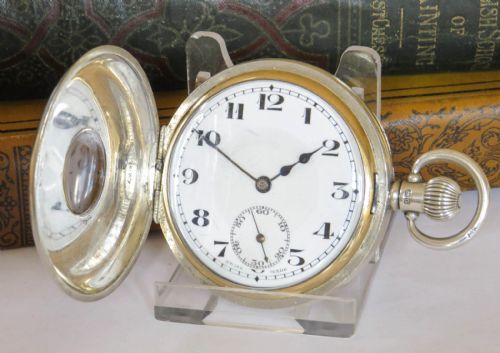
Movements inside pocket watches required precision mechanical assembly, housed securely within sterling silver cases. Presentation pieces combined woodwork bases with metal components to support miniature folding chairs or awards.
1930s Silver Collectible Retail Price Guide 2026
Typical asking prices for 1930s silver collectible among the pieces listed under this phrase on Sellingantiques today, from the lower quarter to the upper quarter. They describe what is for sale here now, not the wider market.
Listings feature pocket watches, powder compacts, badges and small presentation pieces produced in 1930.
What varies in quality
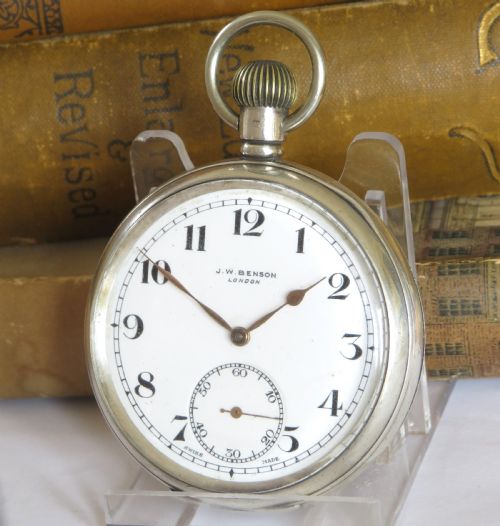
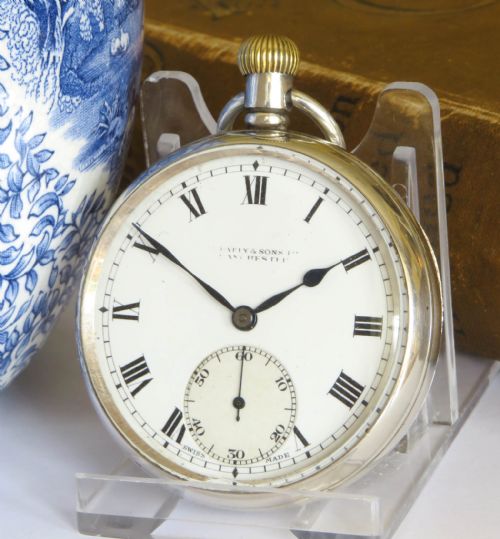
Quality separates mass-produced items from pieces bearing maker marks and specific retailer signatures. The presence of a recognised firm on a pocket watch dial elevates the standard of the internal mechanism and the crispness of the exterior case engraving.
The preservation of applied enamel and glass components dictates the overall integrity of decorative pieces. Intricate multi-coloured vitreous enamel panels without loss or hairline fractures represent superior manufacturing execution.
J W Benson·Richard Hudnut·Cyma·Vertex
The 1930s Silver Collectible Glossary
- Sterling silver
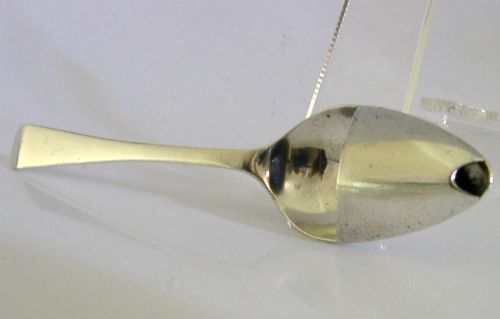
- A silver alloy containing 92.5 percent pure silver and 7.5 percent other metals, usually copper, to increase durability. This standard metal appears frequently across watch cases and medicine spoons.
- Vitreous enamel
- A material made by fusing powdered glass to a substrate by firing, usually between 750 and 850 degrees Celsius. This technique produces glossy, durable coloured surfaces on compacts and badges.
- Art Deco
- A design style characterised by sleek geometric shapes, streamlined forms and rich colours. This aesthetic dominates the compacts, mascots and watches from the period.
- Arts and Crafts
- A design movement championing traditional craftsmanship and medieval, folk or romantic styles of decoration. It is represented here by presentation folding chairs on plinths.
- Powder compact
- A small case containing a mirror and a compartment for face powder, often fitted with a puff. These personal accessories frequently display enamel work and metal stamping from the decade.
1930s Silver Collectible: Frequently Asked Questions
What is a 1930s silver collectible?
A 1930s silver collectible is a small manufactured object from the 1930s constructed primarily from silver or featuring silver elements alongside materials like enamel, chrome or glass.
These items range from personal timepieces and powder compacts to medical spoons and commemorative badges.
How were pocket watches used then?
Pocket watches served as essential personal timekeepers carried in waistcoat pockets or handbags before wristwatches became universal.
Owners relied on them daily for punctuality, and many were awarded for bravery or retailed by established watchmakers.
How do I care for silver and enamel?
Silver requires gentle cleaning with a soft cloth to manage natural tarnishing without abrasive pastes that can remove fine engraving details.
Enamel sections need protection from sharp impacts and harsh chemical solvents to prevent chipping or dulling of the glass surface.
How do I identify Art Deco pieces?
Art Deco items show distinct geometric motifs, symmetrical patterns and streamlined industrial forms influenced by modern machinery and architecture.
Enamelled compacts and car mascots from this era typically display sharp angles and contrasting colour blocks rather than flowing organic curves.