


1930s Platinum Band Ring
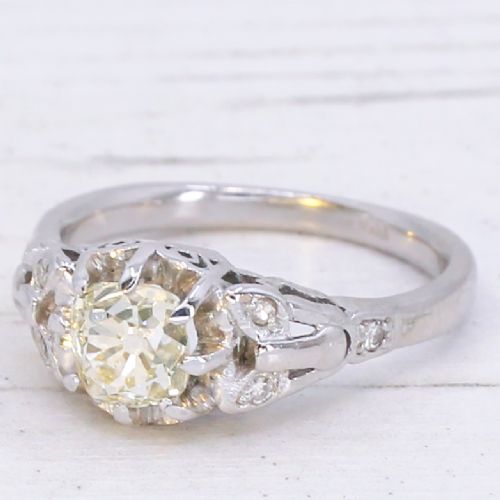
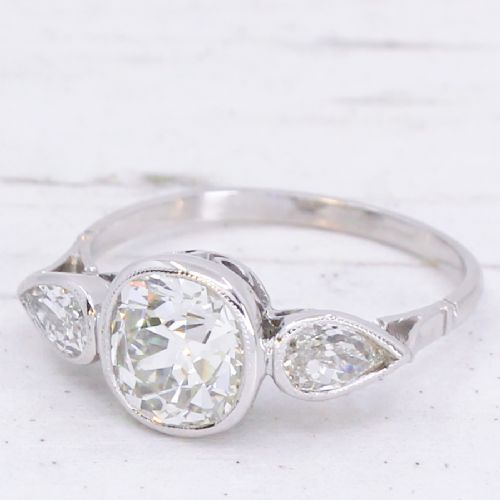
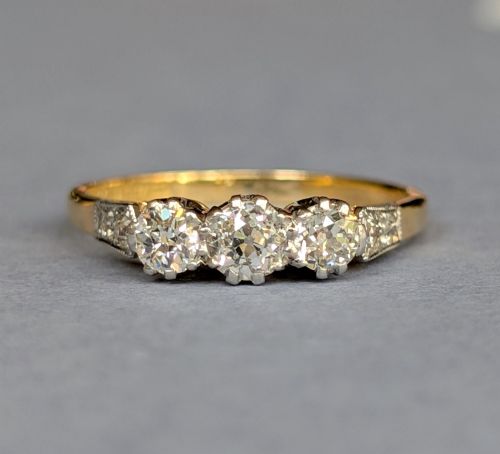
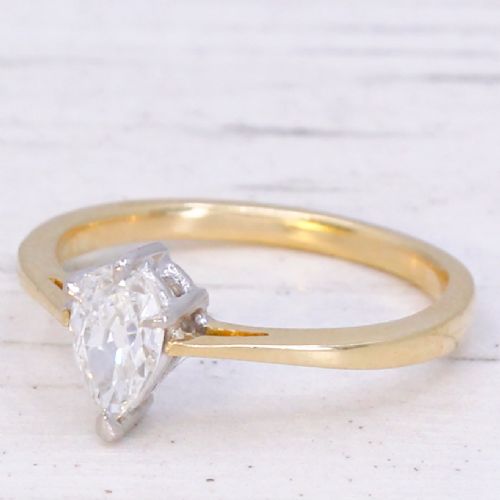
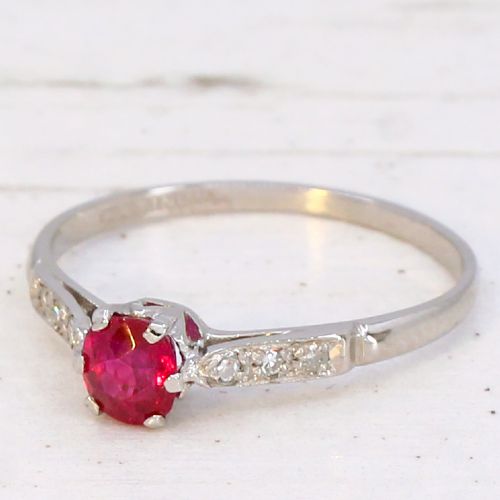
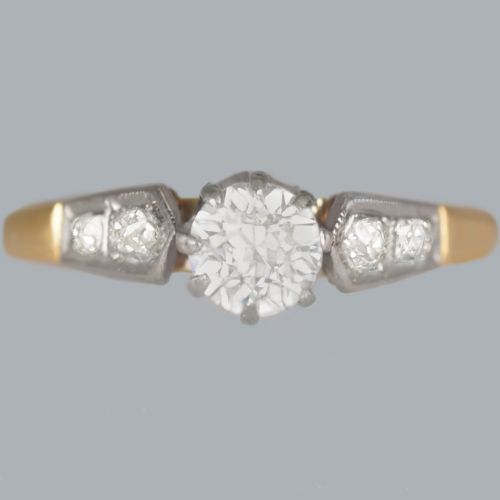
These pieces are a 1930s platinum band ring, offering the sleek geometry and durable mountings of the Art Deco era.
1930s Platinum Band Ring
A 1930s platinum band ring represents the jewellery of the interwar decades, taking the form of plain metal wedding bands or diamond-set dress rings. The evidence shows these pieces span the 1920s to the 1940s, frequently reflecting the geometric aesthetics of the Art Deco period.
Buyers encounter solid platinum wedding bands alongside gemstone rings where platinum secures diamonds, rubies, sapphires, and emeralds. Combinations of platinum and yellow gold or white gold appear regularly across the selection.
Factors that separate the range
The quality of a 1930s platinum band ring rests on the precision of its metalwork and the grade of its set stones. Examples featuring unbroken eternity stones or substantial old cut diamonds sit at the upper end.
Wear to the platinum prongs and the symmetry of geometric engraving dictate the condition and overall execution of each piece.
Several rings manage to pack an entire geometry lesson into a band narrower than a matchstick.
The 1930s Platinum Band Ring Glossary
- Platinum
- A dense, durable white metal prized in jewellery for its strength and resistance to tarnish. It allowed makers to create fine, secure settings for diamonds during the interwar years.
- Old European Cut
- A round diamond cut popular before the modern brilliant cut, characterised by a small table, high crown, and open culet. This cut yields a softer, distinctive candlelight sparkle.
- Art Deco
- A design style spanning the 1920s and 1930s defined by geometric symmetry, clean lines, and stylised motifs. It heavily influences the architecture of these rings.
- Eternity Ring
- A band set continuously with gemstones symbolising endless love. These pieces feature stones encircling the entire finger in platinum or gold.
1930s Platinum Band Ring: Frequently Asked Questions
How do I wear a platinum band ring daily?
Platinum stands up well to everyday wear because the metal displaces rather than wears away. Regular cleaning helps maintain the polish and brilliance of the surrounding diamonds.
Pairing a vintage band with modern rings requires attention to prong height to prevent rubbing. Consulting a jeweller ensures secure claws on older diamond settings.
Are these rings from the Art Deco period?
Many pieces originate from the interwar decades and display distinct Art Deco geometric styling. The materials and cuts match the manufacturing standards of that era.
Design traits like millegrain edges and channel-set diamonds help confirm the period origins. Maker marks and metal purity stamps provide further historical context.
What stones are typically found in these bands?
Diamonds in old European and cushion cuts form the majority of the gemstone inventory. Rubies, sapphires, and emeralds also appear as centre stones or accent gems.
Plain platinum wedding bands without stones represent the simpler alternative within the range. Combination rings integrate yellow or white gold alongside the platinum elements.
How do I know my ring size?
Ring sizes are measured using standard UK letter designations as noted in individual listings. Comparing these measurements with a local jeweller guarantees an accurate fit.
Eternity bands with stones set all the way around often resist resizing. Buyers should confirm the exact size before committing to a purchase.