



1930s Plant Stand
These 1930s plant stand designs combine sculptural presence with practical display space, bringing period character to any interior.
1930s Plant Stand
A 1930s plant stand acts as an architectural focal point for displaying greenery or decorative objects within a room. When buyers search for this phrase, they encounter pieces that double as side tables, pedestals, and torchieres.
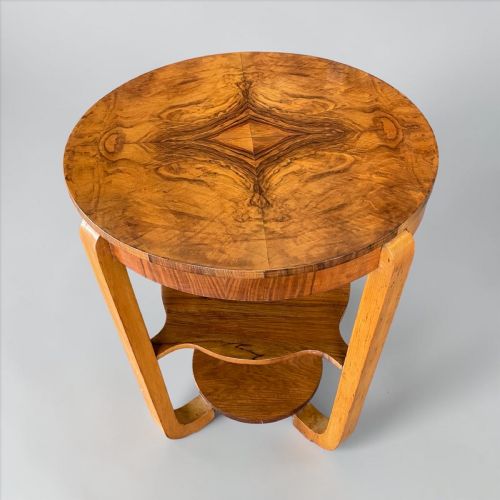
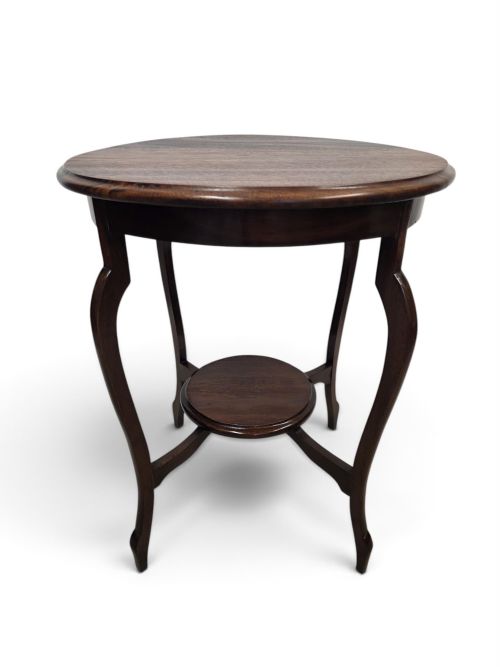
The selections on this page span several distinct aesthetics from the decade, ranging from streamlined Art Deco geometry to traditional Jacobean Revival influences. Side tables and occasional tables adapted for botanical display appear alongside dedicated pedestals and columns.
Origins vary across British, French, and Italian workshops, reflecting international design movements of the interwar period. Solid timbers and veneered surfaces sit beside occasional examples incorporating marble or iron.
Materials and construction
Makers utilised a combination of solid woods and decorative veneers, with oak and walnut dominating the construction. Exotic woods such as Macassar ebony appear on select high-end decorative pedestals.
Support structures rely on traditional joinery alongside turned wooden elements like barley twist legs, while some modernist interpretations integrate iron and marble for varied texture.
Surface treatments range from clear polishes that highlight natural timber grain to painted finishes and ebonised details suited to Venetian and Art Deco interiors.
1930s Plant Stand Retail Price Guide 2026
Typical asking prices for 1930s plant stand among the pieces listed under this phrase on Sellingantiques today, from the lower quarter to the upper quarter. They describe what is for sale here now, not the wider market.
Art Deco and Jacobean Revival styles represent the primary aesthetic approaches in this collection.
Quality factors in interwar display pieces
The distinction between standard domestic furniture and exceptional pieces rests upon the ambition of the design and the choice of materials. Figured walnut veneers and exotic timbers elevate a pedestal far beyond simple utility.
Execution of detail defines the superior examples, whether through precise geometric marquetry, sculptural turning, or integrated ceramic components like pottery jardinières.
Michel Dufet
The 1930s Plant Stand Glossary
- Art Deco
- A design style characterised by sleek geometric shapes, streamlined forms, and modern industrial materials that dominated the interwar period.
- Torchiere
- A tall standing pedestal or light standard originally designed to hold a lamp or decorative urn at a raised height.
- Barley Twist
- A type of furniture leg turned in a spiral fashion resembling a twist of barley, commonly found in revival pieces of the era.
- Gueridon
- A small French occasional table or stand, often round, used for display purposes.
- Veneer
- A thin layer of decorative wood applied over a secondary timber base to create patterned surfaces.
1930s Plant Stand: Frequently Asked Questions
How were 1930s plant stands used?
These stands functioned primarily as raised platforms for potted plants, ferns, and decorative urns in domestic interiors.
Their elevated surfaces allowed greenery to catch natural light near windows while protecting interior flooring from moisture.
What styles define a 1930s plant stand?
The category encompasses geometric Art Deco forms, modernist metalwork designs, and traditional oak pieces featuring barley twist legs.
Regional influences from British, French, and Italian workshops shape the diverse decorative vocabulary found within the period.
Are these stands suitable for daily use?
Most surviving pieces function effectively as side tables, lamp stands, or pedestals for modern decorative objects.
Care should be taken to protect polished wooden surfaces and delicate veneers from standing water.
How do I identify an Art Deco plant stand?
Art Deco examples typically display symmetrical stepped forms, contrasting veneer grains, or sculptural profiles.
Materials such as Macassar ebony, marble, and polished walnut frequently signal this aesthetic.