



1930s Oil Portrait
A 1930s oil portrait captures the distinct modernist shifts and character studies of the interwar decades on canvas and panel.
1930s Oil Portrait
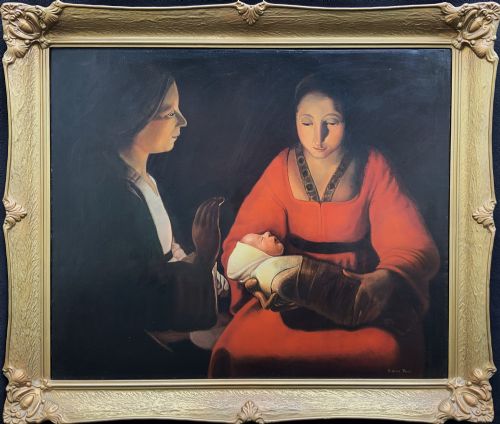
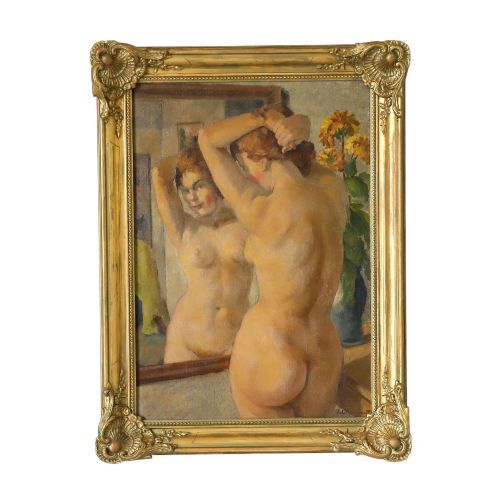
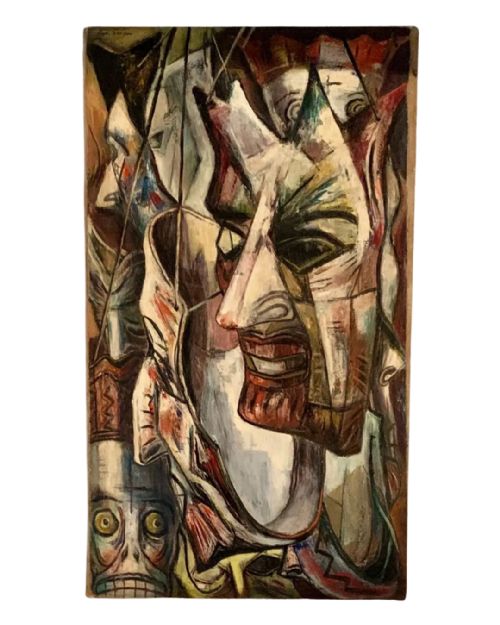
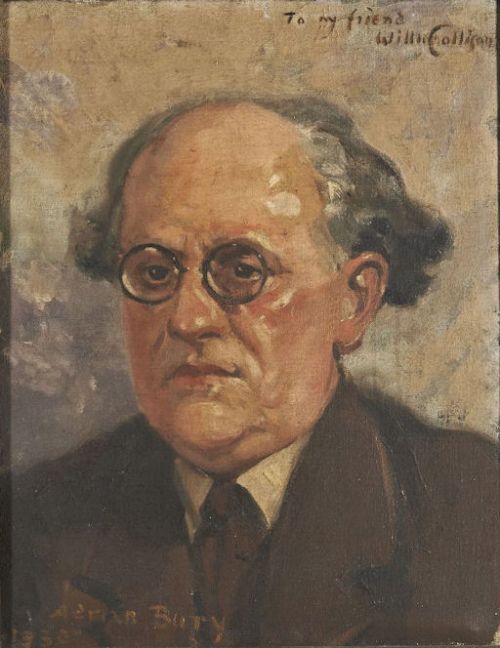
A 1930s oil portrait presents subjects ranging from Scottish children in tartan kilts to avant-garde artists, French female nudes, and self-portraits by museum curators. The examples gathered here span British, French, Swedish, German, and Hungarian schools, reflecting diverse regional approaches to portraiture during the interwar period.
Buyers will most frequently encounter works executed on canvas or wood panel, often housed in original gilt wood frames. These pieces embrace varied movements including 20th Century Realism, Post-Impressionism, Modernism, and Art Deco, alongside occasional nods to earlier traditions through copies or revival styles.
Subjects often include intimate interior scenes, seated ladies, and religious or allegorical figures such as the Madonna or female muses. Each painting records the distinct palette and brushwork of painters working through the artistic shifts of the thirties.
Materials and construction
Artists of this decade primarily applied oil paint to stretched canvas or prepared wood panels, utilising the medium's slow drying time to build rich layers of tone and texture. These supports provide the foundational stability that has preserved the pigment and brushwork across the decades.
Many works retain their period frames, frequently constructed from wood with gilt finishes that complement the compositions. The interplay between the pigment on the surface and the surrounding frame defines the physical presence of each piece.
Children in red tartan kilts share gallery space with avant-garde artists, museum curators, and mysterious ladies in purple coats.
Assessing quality and execution
Quality in these works rests upon the confidence of the brushwork and the psychological depth brought to the subject by the artist. Stronger examples demonstrate a sure command of light, form, and proportion, whether working within a modernist abstraction or a strict realist tradition.
The integrity of the original surface, the stability of the canvas or panel, and the preservation of the pigment layers distinguish superior pieces. A frame that suits the period and complements the painting adds further cohesion to the work.
Philippe de Rougemont·Edouard Julien·Henri Vincent-Anglade·Gaetan Dumas·Georges Goursat·Philip Naviasky·Yo Mayer·Burr Singer·Adrian Bury·David Tägtström·Wilhelm Gdanietz·Carl Ljungberg
The 1930s Oil Portrait Glossary
- Oil on canvas
- Pigments suspended in a drying oil, typically linseed, applied to a woven fabric support stretched across a wooden frame. This combination allows for both fine detail and expressive, textured brushwork.
- Oil on panel
- Pigments applied directly to a rigid wooden support rather than a fabric backing. Panels offer a smooth, stable surface favored by many painters of the period.
- Gilt wood frame
- A wooden moulding finished with a thin layer of gold leaf or metallic gilt paint. These frames are designed to isolate and enhance the visual field of the painting.
- Post-Impressionism
- An art movement extending beyond impressionist methods to emphasise geometric forms, expressive use of colour, and symbolic content. Works in this style prioritize emotional resonance over strict optical realism.
1930s Oil Portrait: Frequently Asked Questions
What defines a 1930s oil portrait?
These works are defined by their creation during the 1930s using oil paint on canvas or wood panel, capturing the people and artistic styles of the interwar era.
They encompass diverse movements such as Modernism, Art Deco, and 20th Century Realism, reflecting both regional European schools and individual portraitists' visions.
How do I identify the period?
Dating relies on recorded signatures, dated compositions, exhibition histories, and stylistic markers characteristic of the 1930s.
Subjects' attire, hairstyles, and the specific modernist or realist techniques employed by the painters also point directly to this decade.
Are these paintings signed?
Many examples feature artist signatures, monograms, or inscriptions on the front of the canvas or on the reverse of the panel.
Archival records, exhibition labels, and biographical details often help confirm the authorship of signed and unsigned works alike.
How should I display an oil portrait?
Displaying these works involves hanging them away from direct sunlight and rapid temperature fluctuations to protect the oil paint and canvas.
Ensuring the piece is housed in a stable, period-appropriate frame helps support the structure and visual impact of the portrait.