



1930s Metal Statue
A 1930s metal statue captures the bold geometry and kinetic energy of the interwar period, offering a striking centrepiece for a modern interior.
1930s Metal Statue
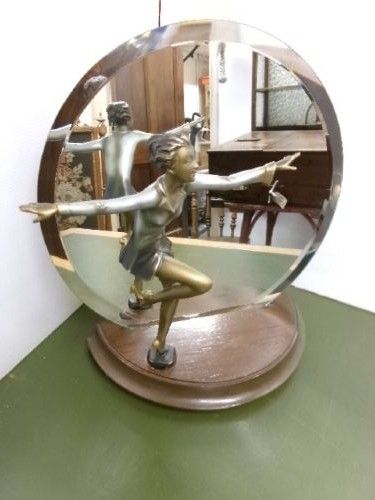
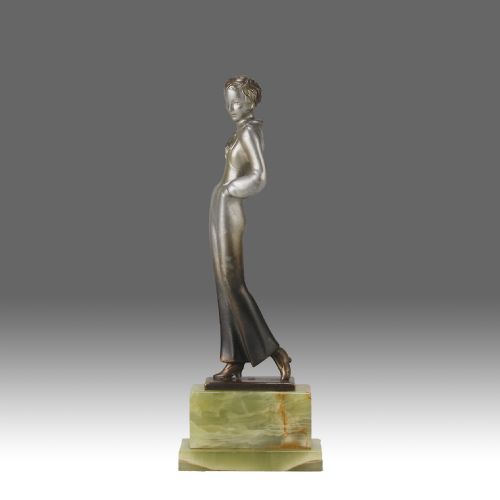
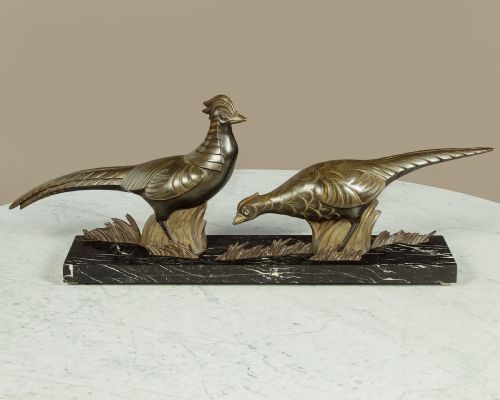
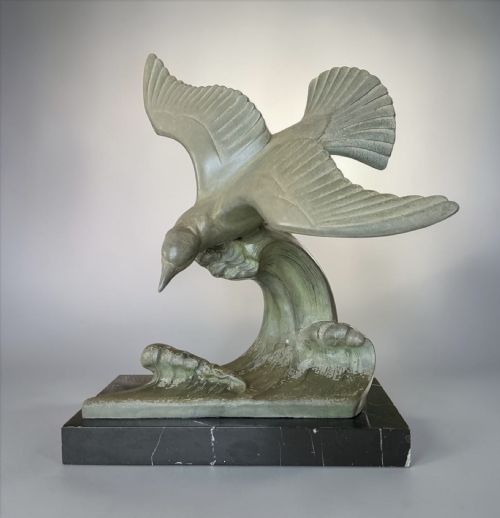
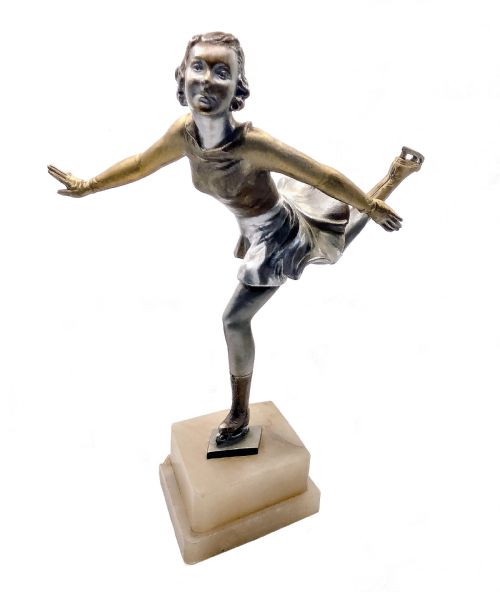
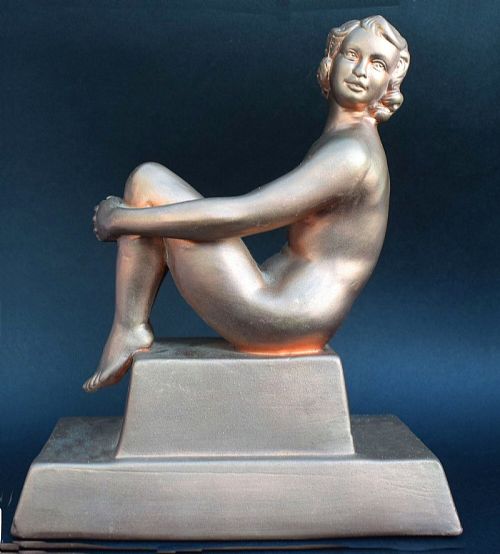
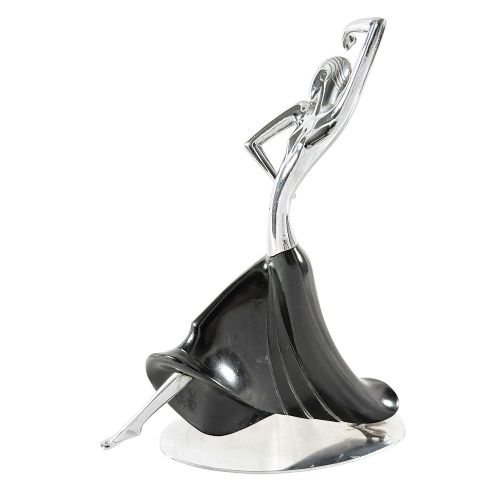
A 1930s metal statue embodies the prevalent Art Deco aesthetic of the interwar years, translating the dynamic spirit of the epoch into solid form. These pieces predominantly take the shape of female dancers, athletes, sleek panthers, and birds such as pheasants and seagulls.
The most common examples encountered on this page are cast figures mounted upon heavy stone bases, frequently combining figurative work with utilitarian functions like bookends, table lighters, and lamps.
Materials and construction methods
Foundry workers utilised spelter, bronze, and plated metals to cast these sculptures, frequently mounting the finished metal figures onto contrasting bases of marble, onyx, or alabaster.
Surface finishes applied to the metal include cold paint, silver plating, and chrome plate, which heighten the decorative contrast characteristic of the period.
Golden pheasants and prowling panthers share floor space here with ice skaters, reflecting an eclectic interwar fascination with both exotic wildlife and modern leisure.
Distinguishing quality in period casting
The fidelity of the casting and the crispness of the chiselling separate standard production pieces from finer examples, determining how sharply facial expressions and drapery folds are rendered.
The choice of supporting plinth also defines the tier of the piece, with substantial veined marble or multi-coloured onyx bases elevating the presence of the metalwork above simpler mounts.
Josef Lorenzl·Michel Decoux·Geo Maxim·Herzig
The 1930s Metal Statue Glossary
- Spelter
- A zinc alloy commonly utilised as an economical alternative to bronze for casting decorative figures during the period. It takes patination and cold paint effectively.
- Patinated metal
- Metal treated with chemical solutions to produce a specific surface colour or aged finish. This process accentuates the contours of the sculptural casting.
- Cold paint
- Paint applied to a metal surface after casting without subsequent firing. This decorative finish remains vulnerable to flaking if handled improperly.
- Alabaster
- A fine-grained translucent stone frequently carved for the mounting bases of figures and lamps. Its soft luminescence complements the metallic lustre above.
1930s Metal Statue: Frequently Asked Questions
What metals were used?
Makers relied heavily on spelter and bronze for casting figures, frequently enhancing them with silver plating or chrome plate. These metals were chosen for their ability to hold fine detail during the casting process.
Surfaces were often treated with patination or finished with cold paint to introduce colour and texture to the clothing and hair of the figures.
How do I identify the period?
The pieces display distinct Art Deco characteristics, focusing on stylised human forms, streamlined animals, and geometric symmetry. Poses often suggest motion, such as dancing, ice skating, or hunting.
Foundational materials like marble and onyx bases further anchor these sculptures firmly in the interwar design vocabulary.
Were these figures purely decorative?
While many statues stand alone as sculptures, a significant number served practical purposes within the home. Makers integrated figures into functional objects such as bookends, table lighters, and table lamps.
This integration allowed owners to incorporate modern design into everyday items without sacrificing utility.
Where were these pieces made?
France emerges as a primary origin for these metal sculptures, housing prolific workshops and renowned artists who produced figural works. Other pieces originate from English makers and broader European foundries.
Export markets ensured wide distribution of these distinctive Art Deco designs during the twentieth century.