





1930s Light Fixture
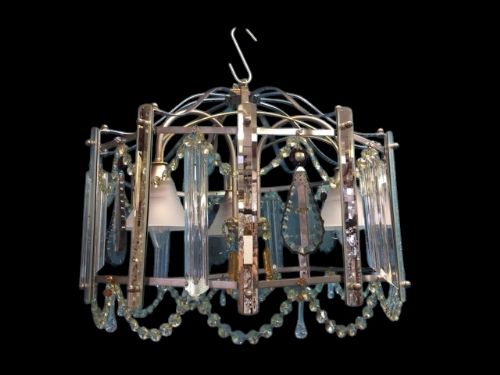
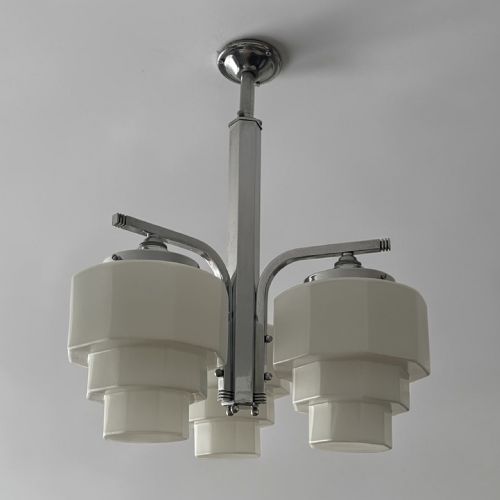
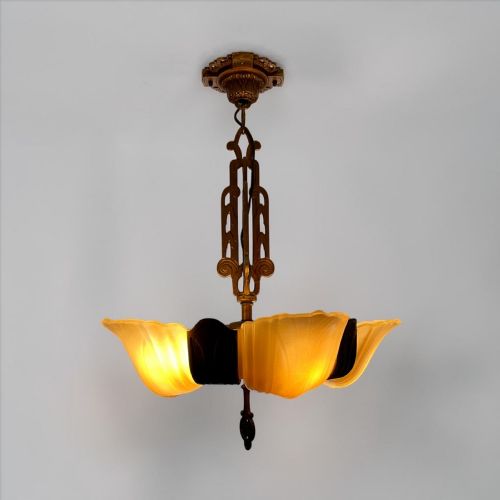
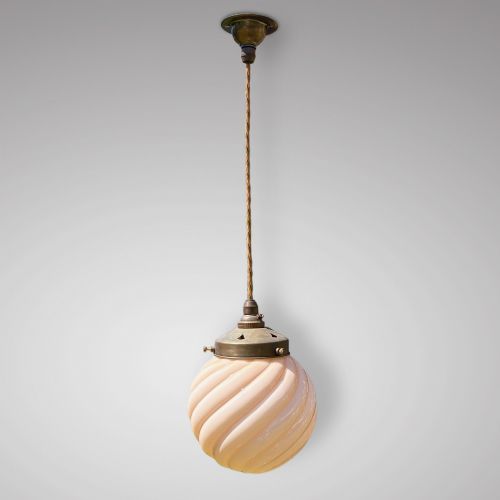
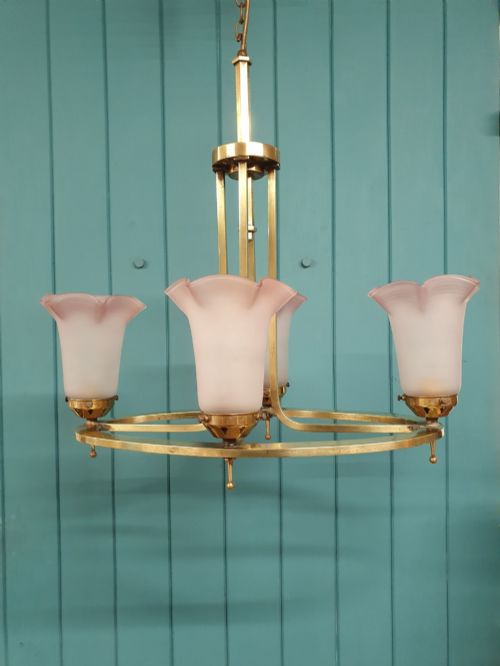
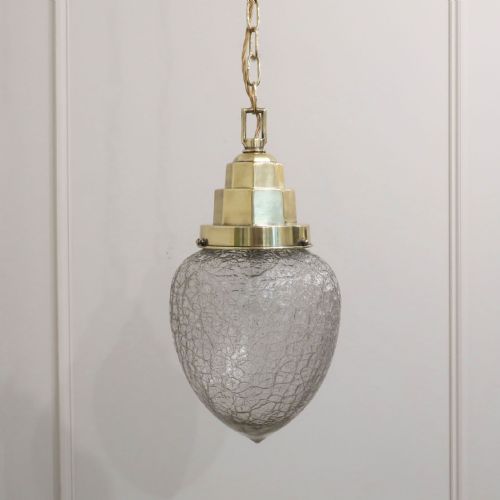
These 1930s light fixture examples bring bold geometric forms and striking illumination into a room, holding their architectural presence today just as they did decades ago.
1930s Light Fixture
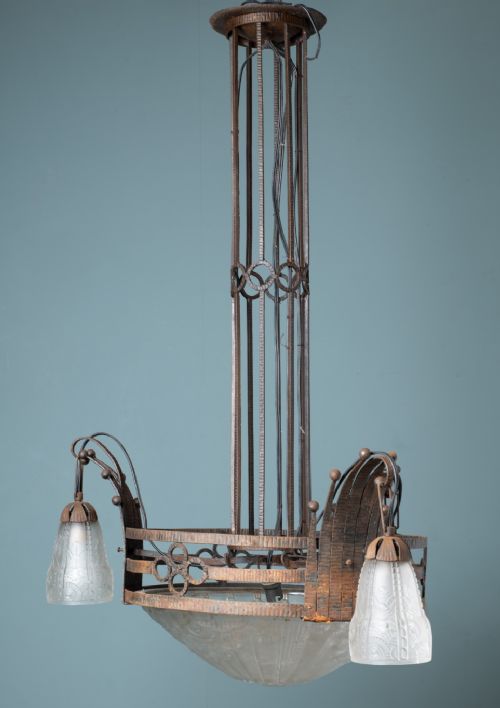
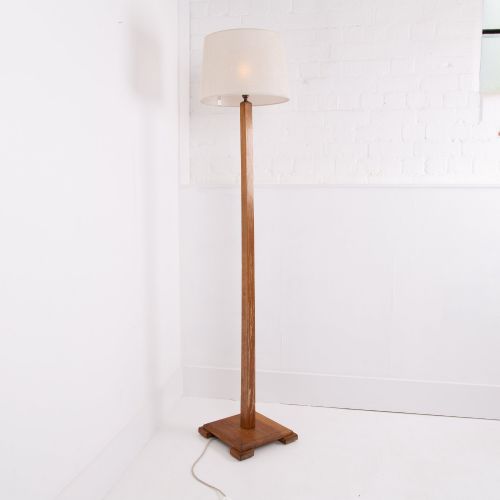
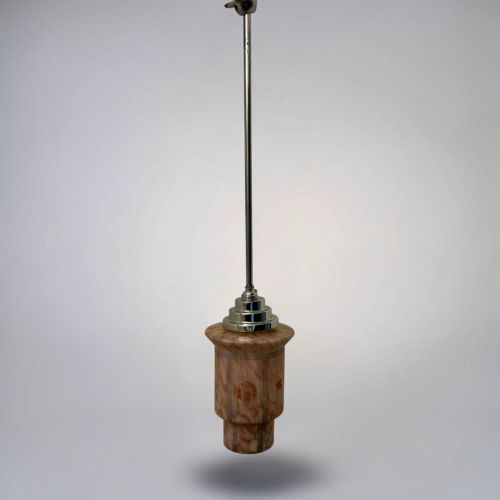
A 1930s light fixture encompasses ceiling lights, wall lights, pendant lights, chandeliers, table lamps, and wall sconces produced primarily during the Art Deco era alongside occasional Edwardian and 1920s crossover pieces. Buyers searching for a 1930s light fixture encounter a heavy concentration of ceiling and wall fittings designed to anchor domestic and public spaces with distinct period character.
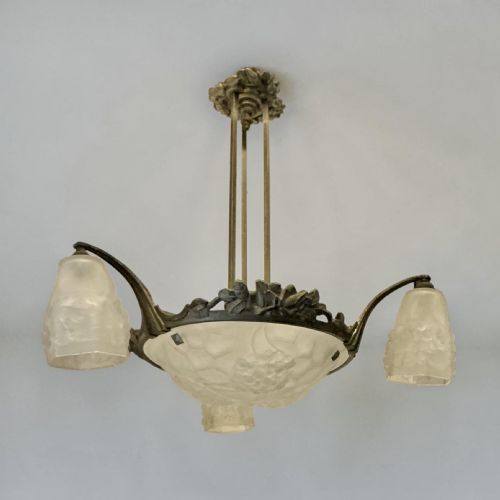
The objects span simpler functional hall lanterns and single pendants through to substantial multi-arm chandeliers and matching pairs of wall sconces. Many forms reflect French and American design movements, incorporating slip shades, trumpet profiles, and shaped glass elements that define the visual output of the decade.
Materials and construction
Makers constructed these fixtures using robust structural metals such as chrome, brass, copper, steel, and cast brass, paired with various treatments of glass. Chrome plating and polished brass provide the metallic frameworks, whilst specialised glass components deliver the characteristic illumination.
Glass production relied on pressing, frosting, cracking, and cutting techniques to yield opaline glass, pressed satin glass, slip shades, and crystal drops. Details occasionally integrate specialist plastics like Bakelite and Catalin alongside organic elements such as deer antlers for specific lodge aesthetics.
1930s Light Fixture Retail Price Guide 2026
Typical asking prices for 1930s light fixture among the pieces listed under this phrase on Sellingantiques today, from the lower quarter to the upper quarter. They describe what is for sale here now, not the wider market.
Materials recur across chrome, frosted glass, brass, metal, crystal, opaline glass, copper, and steel.
Distinctions in execution
Quality rests in the precision of the metal casting and the artistic depth of the glasswork, distinguishing standard commercial output from pieces bearing recognised designer signatures. Superior examples exhibit crisp geometric moulding in slip shades and well-finished heavy metal mounts that retain their structural integrity.
The calibre of a piece also depends on the integration of materials, where matching sets and signed works by notable glassmakers or designers demonstrate a higher standard of original conception and fabrication.
Degué·Émile-Jacques Ruhlmann·Lalique·Karl Palda·Jean Gauthier
The 1930s Light Fixture Glossary
- Slip shade
- A moulded piece of art glass that slots directly into a metal frame to form a bowl or shade. These shades often feature geometric or floral motifs characteristic of the period.
- Opaline glass
- A milky, semi-translucent glass that diffuses light evenly across a room. It appears frequently in pendant lights and spherical shades from this era.
- Sconce
- A wall-mounted light fixture designed to project illumination across a vertical surface. They often appear in matching pairs or sets within this selection.
- Chandelier
- A branched, suspended lighting fixture holding multiple bulbs or candle points. Examples in this category range from crystal bag styles to multi-arm brass and glass assemblies.
1930s Light Fixture: Frequently Asked Questions
How do I identify a 1930s light fixture?
Look for characteristic geometric lines, stepped forms, and symmetrical arrangements typical of the Art Deco movement. Materials such as chrome plating, heavy brass, and moulded opaline or slip shade glass strongly point towards this period.
Examine the construction methods and any maker signatures etched into the glass or stamped onto the metal frame. Crossover styles from the Edwardian era and the 1920s may share similar silhouettes, but true 1930s examples generally embrace bolder industrial and modernist influences.
Where were these lights placed originally?
These fixtures illuminated various residential and commercial spaces, ranging from grand entrance halls and formal reception rooms to bedrooms and corridors. Ceiling lights and chandeliers served as primary overhead illumination, whilst wall sconces provided ambient side lighting.
Specific designs like hall lanterns were tailored for narrow transitional spaces, and table lamps provided task or accent lighting on desks and sideboards.
Are these lights compatible with modern wiring?
Most antique fixtures require professional rewiring to meet contemporary electrical safety standards before installation in a modern home. Electricians can usually adapt the internal fittings to accept standard modern bulb bases whilst preserving the original exterior appearance.
It is advisable to consult a qualified specialist to ensure that old metal frames and mounting brackets can securely support the weight of the fixture under current regulations.
How do I clean an antique glass shade?
Remove delicate glass components from the metal frame whenever possible to clean them safely. Wash the glass gently in lukewarm water with mild soap, avoiding harsh chemical cleaners that might damage frosted or satin finishes.
Dry each piece thoroughly with a soft lint-free cloth before reassembly. Metal components should be dusted with a dry cloth rather than polished aggressively, protecting any original patination or plating.