



1930s Light Fitting
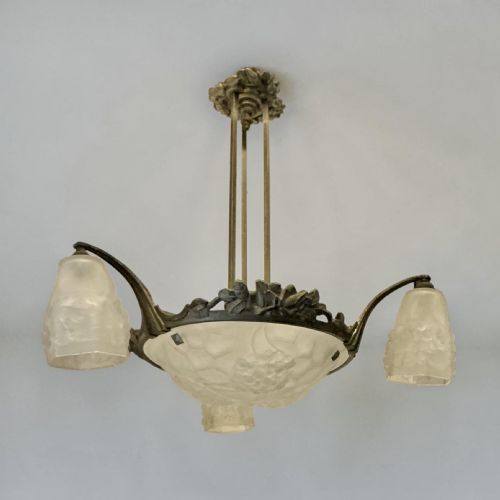
These 1930s light fitting examples bring genuine Art Deco presence to a room, combining architectural glass with polished metal to transform an interior.
1930s Light Fitting
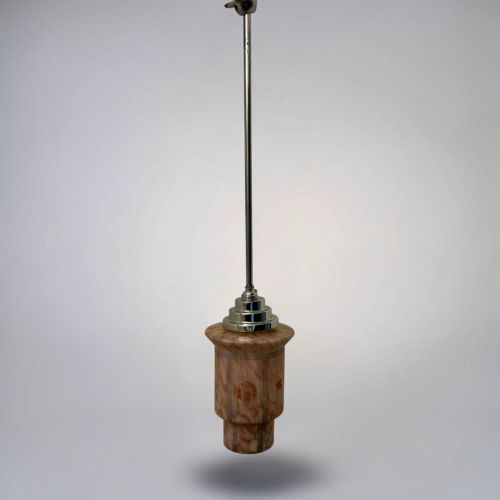
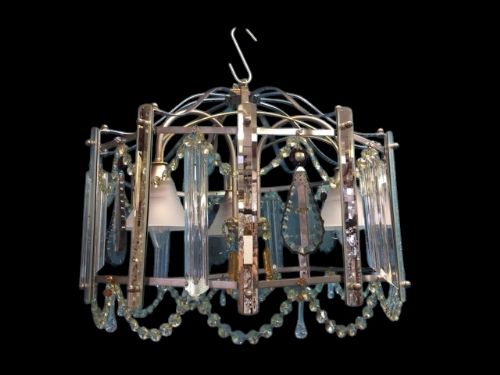
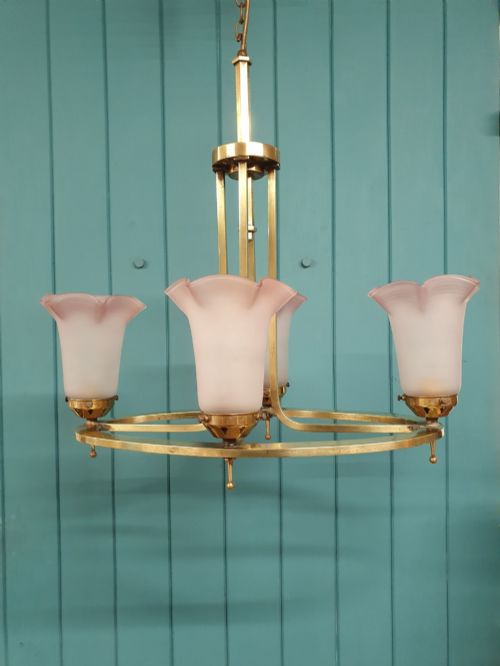
A 1930s light fitting encompasses ceiling lights, chandeliers, pendant lights, wall lights, and wall sconces created during the Art Deco period. These fixtures emerge in forms such as slip shade ceiling lights, cloud-shaped sconces, and multi-arm chandeliers.
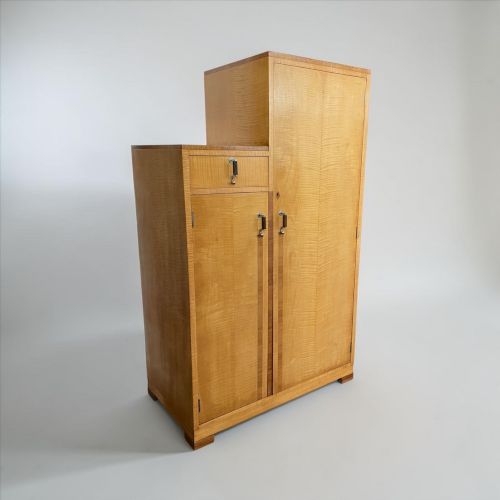
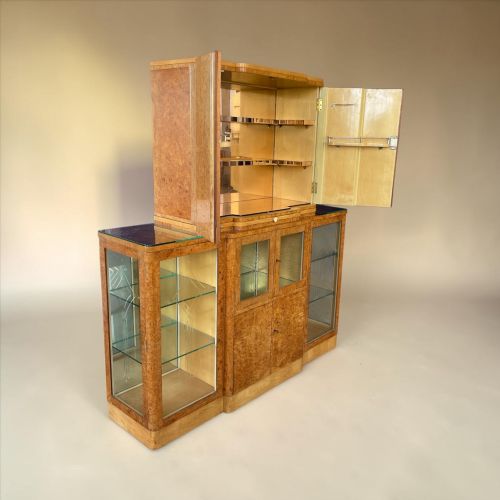
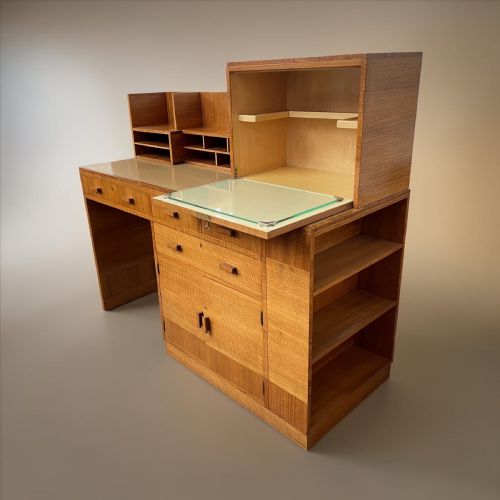
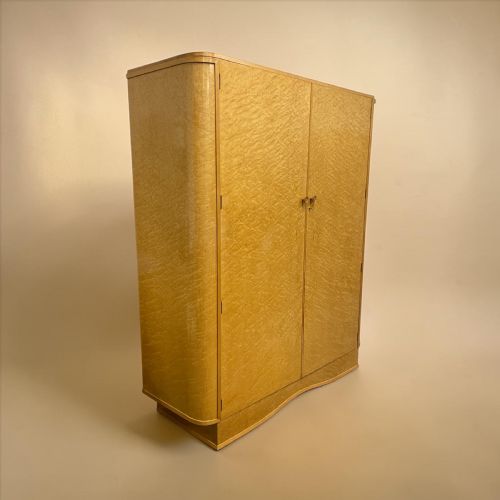
The objects derive from the 1920s and 1930s eras, often showing French origins alongside British examples. Alongside lighting, the period output on this page includes items like wardrobes, desks, and floor lamps.
Buyers meet variations ranging from small chrome chandeliers to monumental architectural installations from notable buildings. Matching pairs of wall lights and suites of light fittings also appear across the selection.
Materials and construction
Makers utilised brass, chrome, copper, and bronze as the metallic framework for these fixtures. Glass components take the form of frosted glass, etched crystal, and cut glass bag elements.
Moulded glass shades, such as slip shades and skyscraper designs, fix directly to metal bodies using specialised brackets and screws. Combinations of glass and chrome or brass define the structural palette.
1930s Light Fitting Retail Price Guide 2026
Typical asking prices for 1930s light fitting among the pieces listed under this phrase on Sellingantiques today, from the lower quarter to the upper quarter. They describe what is for sale here now, not the wider market.
Even a small chrome chandelier can make a hallway feel like a transatlantic liner smoking room.
Gradations in quality
Quality rests upon the weight and finish of the metalwork, alongside the depth and clarity of the moulded or etched glass. Pieces produced by recognised design houses exhibit superior casting and glass-forming techniques.
Scale and ambition separate standard domestic fixtures from monumental commissions designed for commercial interiors like the Adelphi Building. The complexity of multi-arm arrangements and matched suites indicates higher tier manufacture.
Degué·Heal's·Harry and Lou Epstein·Jean Gauthier
The 1930s Light Fitting Glossary
- Slip shade
- A moulded glass shade that slots directly into a metal frame or arm on a light fitting. These shades are characteristic of mid-period Art Deco ceiling lights and wall sconces.
- Skyscraper glass
- Glass moulded in stepped, vertical tiers reminiscent of early modern architectural towers. This style frequently appears on wall lights and pendants.
- Bag chandelier
- A light fixture featuring a bronze or metal frame hung with numerous cut glass crystals arranged in a bag or basket shape. They provide intense refraction.
- Cloud-shaped
- A curved, softly rounded form given to glass shades or wall sconces. The profile mimics stylised cloud formations popular in 1930s design.
1930s Light Fitting: Frequently Asked Questions
How do I hang a heavy Art Deco chandelier safely?
Heavy chandeliers require direct attachment to ceiling joists using appropriate steel fixings rather than standard plasterboard anchors. Professional electrical installation ensures the weight is adequately supported.
Older wiring must be inspected and replaced to meet modern safety standards before hanging the fixture in a domestic setting.
Are replacement slip shades available if one breaks?
Finding exact replacement slip shades for specific vintage fittings proves difficult due to the bespoke nature of period glass moulds. Most shades match particular makers and patterns.
Buyers should ensure all shades are present and intact when acquiring slip shade ceiling lights or wall sconces.
What is the difference between a pendant and a flush ceiling light?
A pendant light hangs downward from the ceiling via a cord, chain, or rigid rod, positioning the source lower in the room. Flush ceiling lights mount directly against the ceiling surface.
Flush fittings suit rooms with lower ceiling heights, whereas pendants occupy more vertical space.
Can these vintage light fittings use modern LED bulbs?
Most vintage fittings accept standard modern bulb bases, provided the wattage does not exceed the historic capacity of the fixture. LED alternatives generate less heat, which helps protect vintage glass and metal.
Consulting an electrician confirms whether rewiring is necessary to accommodate contemporary bulb types safely.