

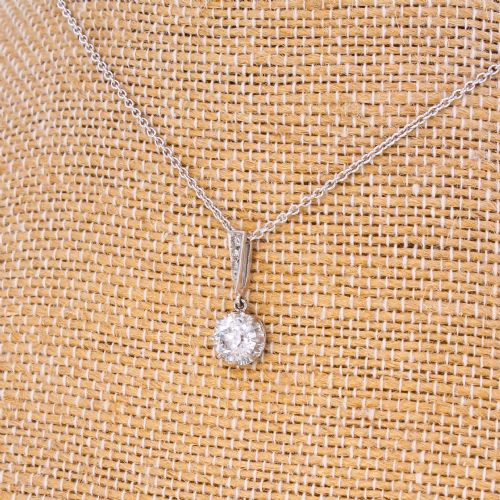


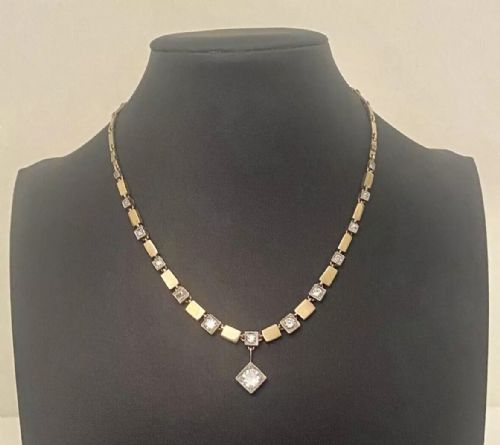
1930s Gold Necklace
A 1930s gold necklace brings geometric lines and fine stones together, offering the distinct elegance of the period.
1930s Gold Necklace
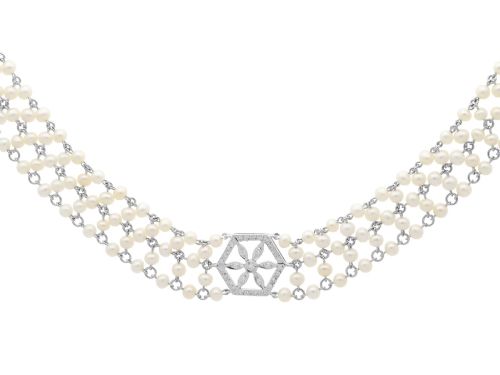
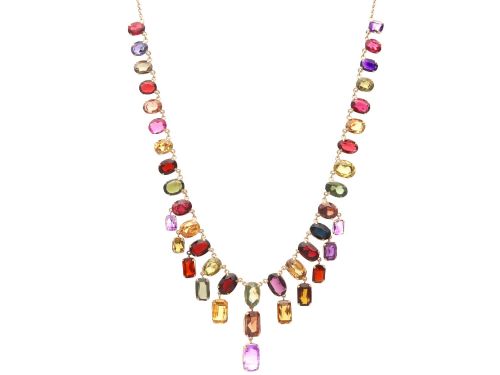
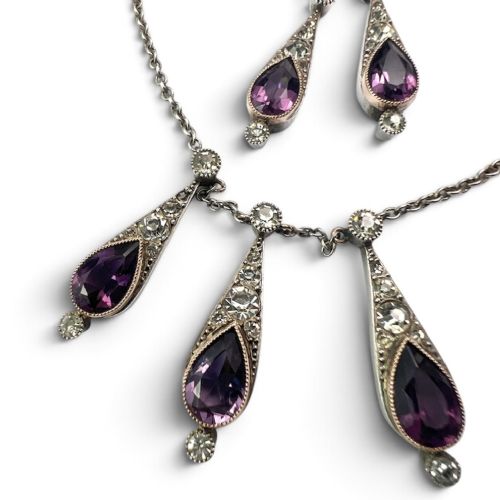
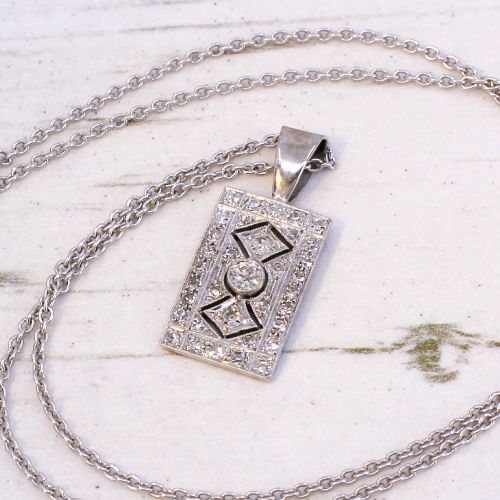
A 1930s gold necklace encompasses pieces created during an era defined by bold geometric forms and refined metalwork. Buyers searching for a 1930s gold necklace will encounter fringe designs, diamond pendants, and pearl strands set in yellow, rose, or white gold.
The items found here span the 1920s and 1930s, alongside select Victorian pieces, reflecting the overlapping tastes of these decades. Pendants and necklaces dominate the selection, often accompanied by matching elements such as earrings or diamond clasps.
Geometric Art Deco influences run through the majority of these jewels, balancing structural mounts with delicate gemstone arrangements. Each piece demonstrates the distinct decorative priorities of interwar jewellery design.
Materials and construction
Makers of the period utilised gold alongside platinum and white gold to create secure, intricate settings for diamonds, pearls, and coloured stones. Metalwork ranged from 14ct yellow and rose gold to 18ct white gold, supporting stones such as amethysts, garnets, zircons, and aquamarines.
Techniques relied on precise stone cutting, notably old cut diamonds, alongside graded pearl stringing and detailed slide chain assemblies. Clasps were often integrated as decorative focal points featuring pavé diamonds rather than simple functional fasteners.
1930s Gold Necklace Retail Price Guide 2026
Typical asking prices for 1930s gold necklace among the pieces listed under this phrase on Sellingantiques today, from the lower quarter to the upper quarter. They describe what is for sale here now, not the wider market.
Current listings feature 14ct and 18ct gold alongside platinum, showcasing stones from diamonds and cultured pearls to zircons and garnets.
Distinguishing quality
Quality in a 1930s gold necklace rests on the precision of the metal fabrication and the selection of the stones. Pieces featuring well-matched gemstones, such as uniform cultured pearls or substantial diamond carat weights, demonstrate superior craftsmanship.
The complexity of the design also distinguishes finer examples, where articulated fringe drops or intricate openwork settings reflect advanced manufacturing skill. The integration of secure, original clasps and well-preserved metal surfaces further elevates a piece.
The 1930s Gold Necklace Glossary
- Art Deco
- A design style prevalent in the 1920s and 1930s characterised by symmetry, geometric patterns, and stylised motifs. It replaced the flowing curves of the preceding Edwardian and Art Nouveau periods.
- Old cut
- A diamond cutting style that preceded modern brilliant cuts, featuring a smaller table, higher crown, and open culet. These stones catch candlelight warmly.
- Fringe necklace
- A necklace design featuring hanging drops or pendants suspended at regular intervals along the lower edge of the chain. This style gained particular popularity during the interwar years.
- Cultured pearl
- A pearl formed by the introduction of an irritant into an oyster by human intervention, unlike a natural pearl found entirely by chance. These pearls formed a staple of 1930s formal jewellery.
1930s Gold Necklace: Frequently Asked Questions
How do I style a 1930s necklace?
These pieces suit evening wear and formal occasions, where their geometric drops or pearl strands can rest against simple necklines.
Shorter choker styles sit high on the collarbone, while fringe designs pair well with open necklines that allow the articulated drops to move freely.
Are these necklaces made of solid gold?
The pieces utilise solid gold variants, specifically 14ct and 18ct white, yellow, or rose gold, alongside platinum mounts.
Testing marks and purity stamps often confirm the metal standard used by the maker during fabrication.
How do I care for my necklace?
Store the item separately in a lined box to prevent scratching between the metal and softer stones like pearls.
Clean pearls gently with a soft, damp cloth and avoid harsh chemical dips that can damage organic gems or weaker metal alloys.
What stones appear in these pieces?
Diamonds and cultured pearls form the primary white stones, often paired with platinum or white gold settings.
Coloured gems such as aquamarines, amethysts, garnets, and zircons provide contrasting hues within pendant and fringe configurations.