






1930s Globe
A 1930s globe brings tangible interwar geography and design into a room, offering both decorative spherical form and authentic period character.
1930s Globe
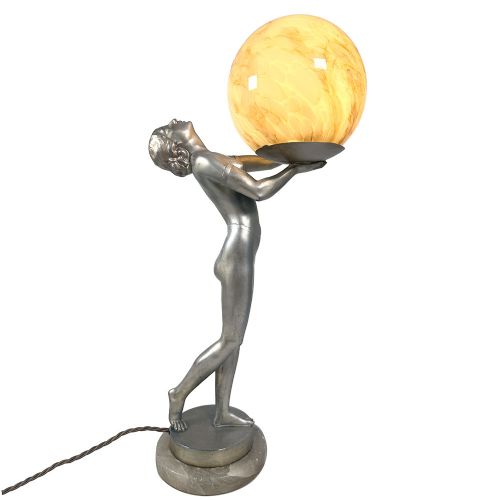
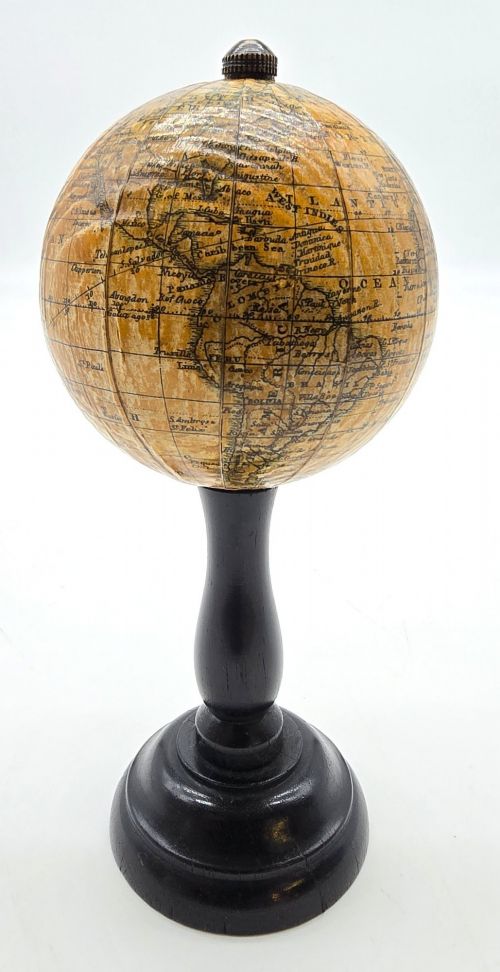
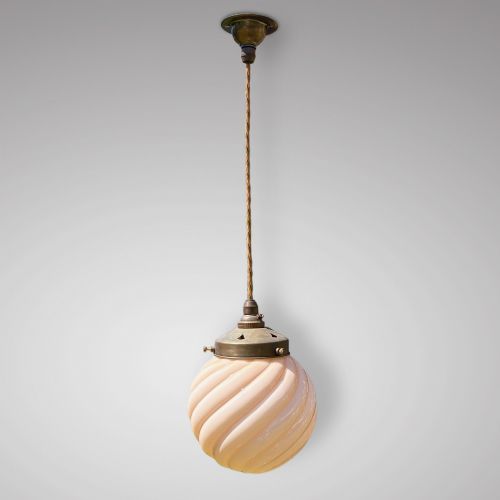
A 1930s globe encompasses both physical geographical globes from the period and the spherical glass shades or lighting fixtures that share the rounded form.
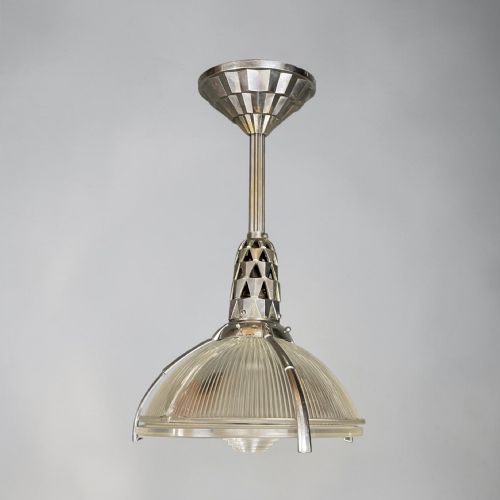
Buyers encountering this search phrase will find floor standing globes, miniature desk globes, and spherical lighting such as ceiling globes and pendant lights.
The objects stem from the interwar period, capturing the distinct aesthetic output of the 1920s, 1930s, and 1940s.
Materials and construction
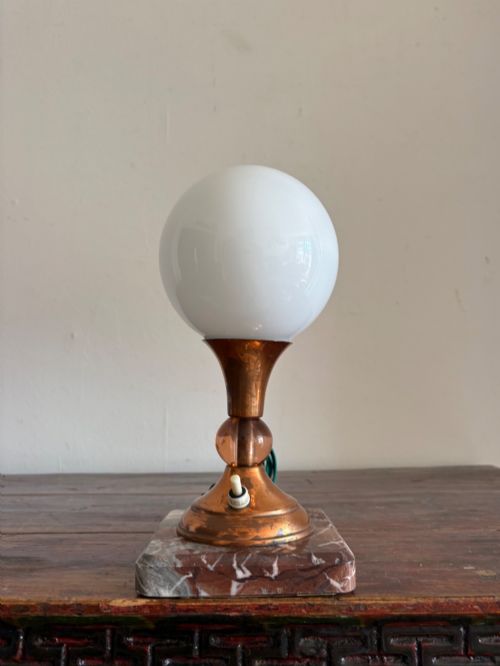
Lighting components and shades utilise glass, frosted glass, and opaline glass, paired with metal, brass, and chrome fixtures.
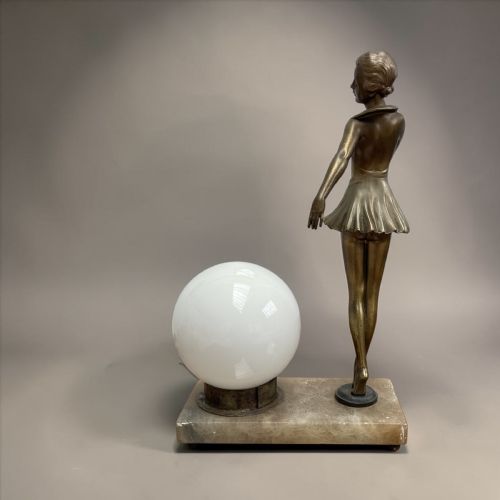
Bases and structural elements incorporate marble, spelter, and ebony, grounding the lighter glass and metal components.
Period manufacturing techniques combine cast metal figures with turned stone bases and blown or moulded glass shades.
1930s Globe Retail Price Guide 2026
Typical asking prices for 1930s globe among the pieces listed under this phrase on Sellingantiques today, from the lower quarter to the upper quarter. They describe what is for sale here now, not the wider market.
Listings combine functional desk globes with spherical opaline glass ceiling and pendant lights from the interwar era.
Assessing quality
The distinction between tiers rests on the choice of materials, such as solid marble and chrome versus simpler cast metals.
The refinement of the casting in figural lamps and the uniformity of opaline or etched glass shades dictate the visual success of each piece.
Design attribution and the preservation of original components elevate specific items above standard production examples.
Émile-Jacques Ruhlmann·Karl Palda
The 1930s Globe Glossary
- Opaline glass
- A milky, semi-translucent glass popular for light shades. It diffuses light evenly across spherical surfaces.
- Spelter
- A zinc alloy commonly used for cast figures and bases. It serves as a cost-effective alternative to bronze.
- Torchiere
- An uplighter floor lamp designed to direct illumination toward the ceiling. These fixtures often feature large glass bowls or globes.
- Bakelite
- An early synthetic thermosetting plastic utilised for switches, bases, and decorative elements. It defines interwar industrial design.
- Art Deco
- A dominant design style characterised by sleek geometric lines and modern materials. It heavily influences the objects in this category.
1930s Globe: Frequently Asked Questions
What defines a 1930s globe light?
These lighting fixtures use spherical glass shades, often in opaline or frosted finishes, mounted to metal or marble brackets.
They reflect the machine age aesthetic of the interwar period through clean geometric forms.
How are desk globes and globe lights different?
Desk globes are miniature cartographic models meant for education and display, usually mounted on wooden or metal stands.
Globe lights are functional illumination pieces where the sphere itself acts as the diffuser for a bulb.
Where do these pieces originate?
The inventory includes items produced in England and France during the 1920s, 1930s, and 1940s.
French workshops particularly favoured elaborate combinations of marble, spelter, and coloured glass.
How should I clean opaline glass globes?
Opaline glass requires gentle cleaning with warm water and mild soap to preserve the milky finish.
Harsh abrasives must be avoided to protect the delicate surface texture of vintage shades.