






1930s Glassware
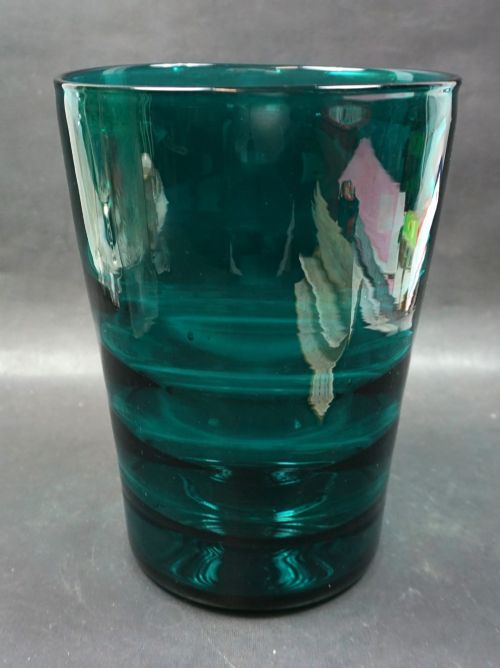
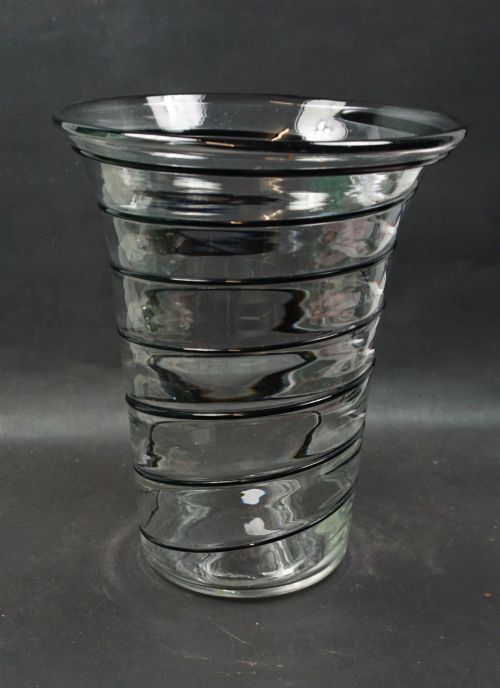
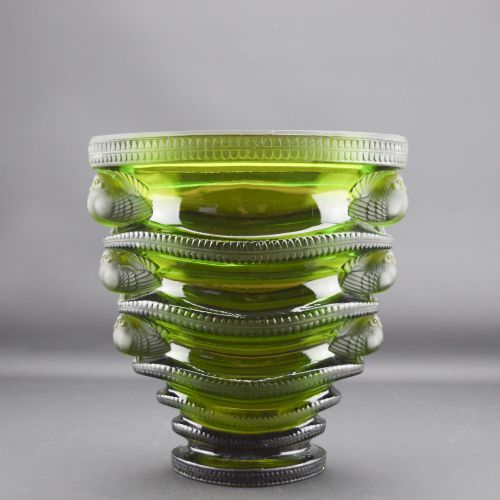
These pieces of 1930s glassware bring bold geometric lines and rich coloured tones directly from the Art Deco period into a modern room.
1930s Glassware
When you search for 1930s glassware, you encounter a distinct vocabulary of decorative items shaped by the Art Deco movement. Vases, decanter sets, decorative bowls, and perfume bottles dominate the forms, alongside plates and candlesticks designed for display as much as utility.
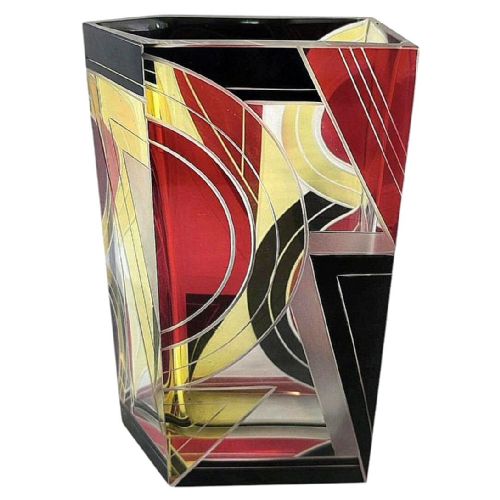
The objects originate from major European glass centres, including France, Belgium, and the Czech Republic, alongside British production. French pieces often bear the marks of prominent makers, while Czech glassmakers lean into sharp geometric cutting and enamel decoration.
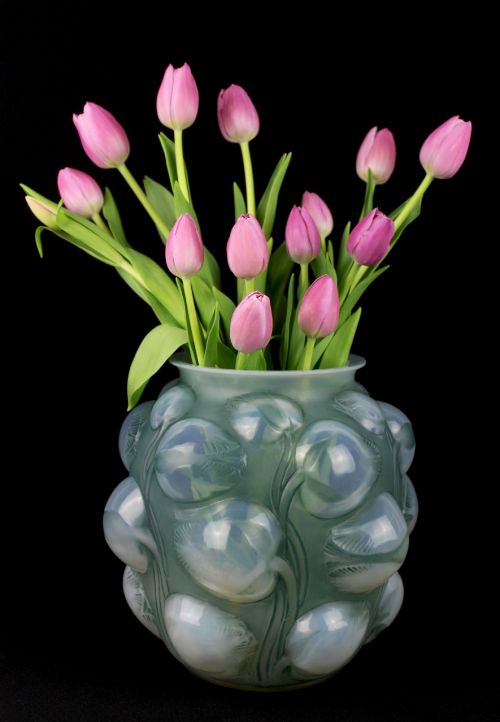
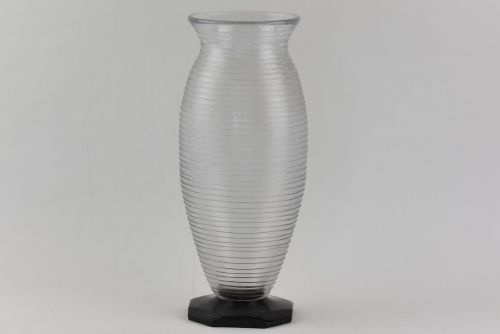
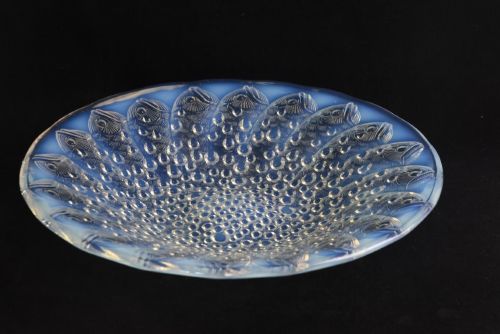
Vases range from heavy, moulded opalescent bowls to tall, slender vessels decorated with enamels. Drinking sets comprise complete decanters paired with matching glasses, intended for entertaining in the style of the period.
Materials and Techniques
Makers utilised clear, frosted, opalescent, and coloured glass, shaping them through moulding, pressing, and free-blowing. Heavy lead crystal provides the weight and clarity required for deep geometric cutting, while moulded glass allows for tactile relief patterns.
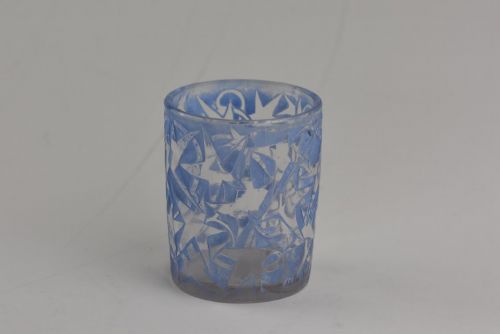
Surface decoration frequently involves acid etching, enamel painting, and staining to highlight the details of the design. Enamel geometric patterns and black or coloured highlights are applied to contrast against clear or frosted grounds.
1930s Glassware Retail Price Guide 2026
Typical asking prices for 1930s glassware among the pieces listed under this phrase on Sellingantiques today, from the lower quarter to the upper quarter. They describe what is for sale here now, not the wider market.
A tiny cigarette holder sits quietly among the heavy vases, proving that even 1930s glassware enjoyed a smoke break.
Distinctions in Execution
Quality rests in the crispness of the moulding and the precision of the surface decoration. Pieces with hand-applied enamel work and deeply etched motifs demand greater skill than simpler, unadorned production items.
The weight of the material and the clarity of the crystal separate standard tableware from significant studio pieces. Makers who integrated their designs closely with the structural form of the object achieve a more coherent presence.
Rene Lalique·Karl Palda·Val St Lambert·Keith Murray·Libochovice·Etling·Riihimaki
The 1930s Glassware Glossary
- Opalescent glass
- Glass that milky or translucent quality which shifts in tone depending on the light. It appears bluish in transmitted light and warm amber or orange in reflected light.
- Frosted glass
- Glass treated to achieve a matte, textured surface rather than a transparent finish. This technique diffuses light and highlights raised moulded designs.
- Pressed glass
- Molten glass forced into a metal mould by a plunger. This method allows for rapid production of patterned items with consistent relief details.
- Lead crystal
- Glass containing lead oxide, which increases weight, brilliance, and refractive index. It enables deep, sharp cutting without fracturing the material.
- Coupe ouverte
- A shallow open bowl or dish used for display or serving. French glassmakers frequently produced these in opalescent or frosted surfaces.
1930s Glassware: Frequently Asked Questions
How do I identify genuine 1930s glassware?
Examine the weight, the presence of moulding seams, and the style of decoration. Authentic pieces from this era reflect the characteristic geometric motifs and material treatments of the Art Deco period.
Signatures or factory marks etched into the base offer confirmation of origin, though many fine pieces relied solely on paper labels that have long since vanished.
Were these glass items meant for daily use?
Some items, such as the matching decanter sets and drinking glasses, served a practical function during entertaining. Others were purely ornamental vessels designed to catch the light on a mantle or table.
Heavier vases and decorative bowls were built with substantial glass walls, though their delicate surface enamels suggest careful handling rather than heavy everyday service.
What is the difference between frosted and opalescent glass?
Frosted glass is treated mechanically or chemically to create a uniform matte surface that scatters light evenly. Opalescent glass contains chemical additives that cause the material to catch the light with a milky, dual-tone effect.
Opalescent pieces change appearance completely depending on whether light passes through them or reflects off their raised relief patterns.
How should I clean antique glass?
Wash pieces by hand using lukewarm water and mild, non-abrasive soap. Avoid soaking items with painted enamel or stained details, as moisture can lift delicate surface decorations.
Dry them immediately with a soft cloth to prevent water spots, and handle heavy items by the base rather than delicate rims or handles.