





1930s Glass Flacon
These 1930s glass flacon pieces are striking Art Deco scent bottles that bring tactile glamour to a dressing table.
1930s Glass Flacon
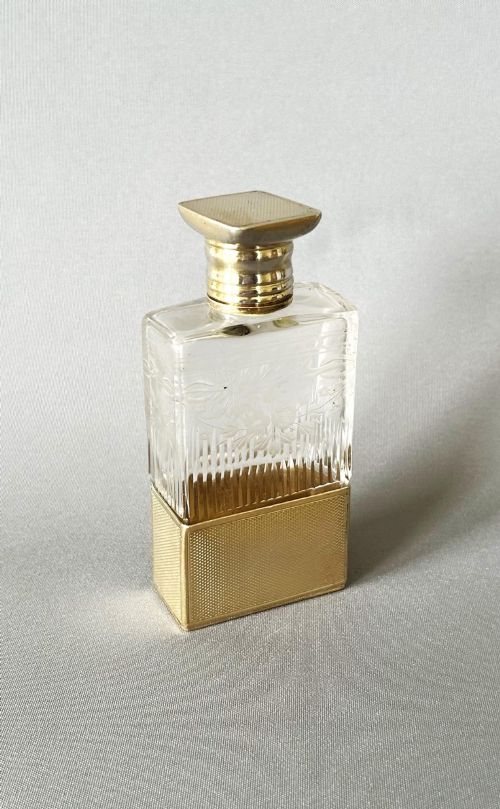
A 1930s glass flacon is a dressing table scent bottle embodying the geometric lines and distinct aesthetics of the Art Deco period. You will frequently encounter Czech and French examples originating from this single decade.
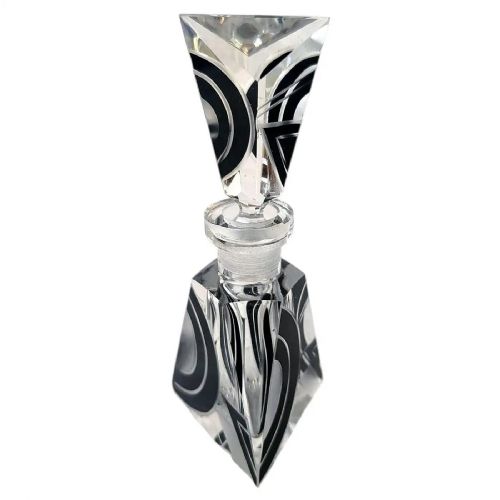
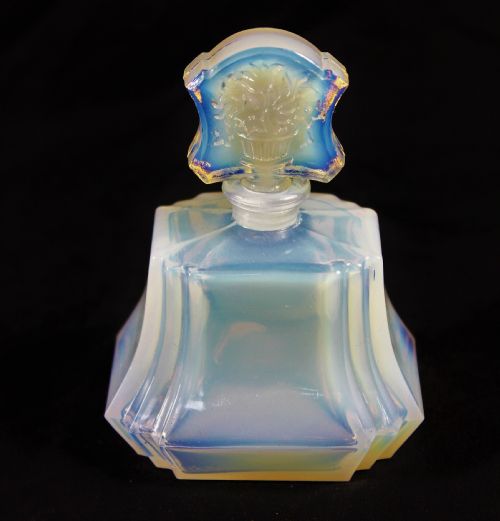
The selection ranges from clear cut glass to dense black enamel and opalescent vessels. These objects served both a functional role for fragrance and an ornamental purpose for the boudoir.
How they were made
Makers utilised pressed and cut glass techniques to achieve sharp geometric facets and dimensional bodies. These glass structures were often paired with sterling silver collars and mounts.
Colour and surface decoration played a major role, incorporating enamel, guilloche enamel, and opalescent finishes. The application of blue enamel and black enamel created high contrast against the transparent or translucent glass bodies.
1930s Glass Flacon Retail Price Guide 2026
Typical asking prices for 1930s glass flacon among the pieces listed under this phrase on Sellingantiques today, from the lower quarter to the upper quarter. They describe what is for sale here now, not the wider market.
These charming little bottles spent their mornings being spritzed with lilac water before retiring to look glamorous on glass shelves.
What varies in quality
Quality rests in the precision of the glass cutting and the crispness of the geometric moulding. Finer pieces demonstrate superior clarity in the crystal or opalescent glass.
The integration of metalwork dictates the overall standard of the flacon. Sterling silver mounts and well-preserved enamel work elevate the distinction of the piece.
Karl Palda·Sabino
The 1930s Glass Flacon Glossary
- Flacon
- A small stoppered bottle used for perfume or scent. These vessels are typically decorative and sit upon a dressing table.
- Guilloche enamel
- Decorative enamel applied over a mechanically engraved metal surface. This technique produces a repeating geometric pattern beneath a translucent coloured coating.
- Opalescent glass
- Glass that displays a milky, iridescent quality with milky-blue highlights. It catches the light differently depending on the viewing angle.
- Pressed glass
- Glass shaped by being pressed into a mould using a plunger. This method allowed for intricate relief patterns to be produced efficiently.
1930s Glass Flacon: Frequently Asked Questions
What is a 1930s glass flacon?
A 1930s glass flacon is a decorative perfume or scent bottle created during the Art Deco era. These pieces are characterised by geometric designs and often feature glass stoppers.
They were designed to hold ladies' perfume on dressing tables. Many examples incorporate materials such as sterling silver and enamel.
Where were these scent bottles made?
The pieces seen here originate primarily from workshops and factories in France and the Czech Republic. These regions were centres of innovative glass design during the interwar period.
Maker attribution often points to specific designers operating within these countries. Their output defined the modern aesthetic of the decade.
How do I identify Art Deco style?
Art Deco style is marked by clean geometric lines, stylised motifs, and a symmetrical layout. In these bottles, the cutting of the glass and the shape of the stopper reflect this modernism.
The use of contrasting black enamel and bright blue enamel further reinforces the visual language of the period.
How should I display a scent bottle?
These flacons are suited for display on a dressing table, vanity, or within a glass cabinet. Their reflective surfaces catch natural and artificial light.
Positioning them away from direct heat protects any delicate enamel or silver elements. Handling them gently by the body preserves the stopper and neck.