





1930s Figurative Art
1930s figurative art captures the human form through paintings, sculptures, and lamps defined by modernist, surrealist, and Art Deco visions.
1930s Figurative Art
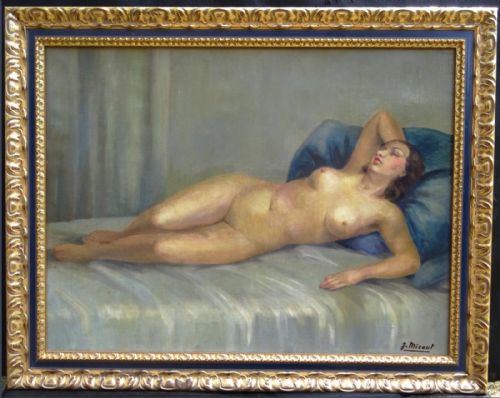
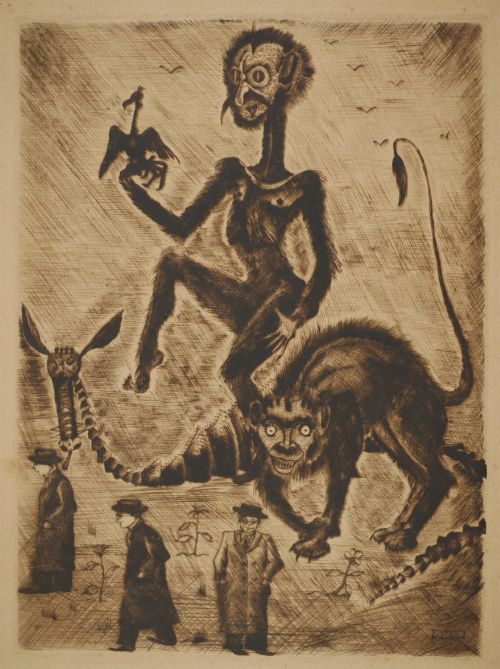
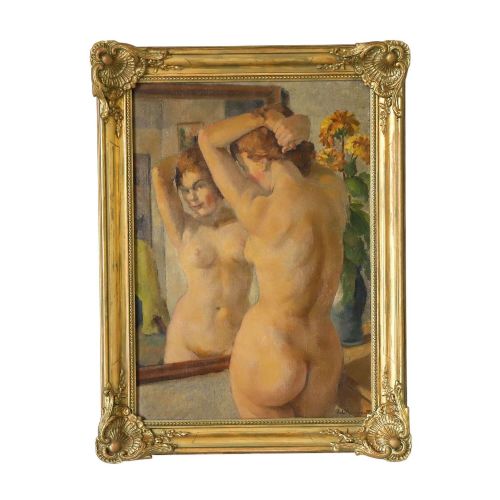
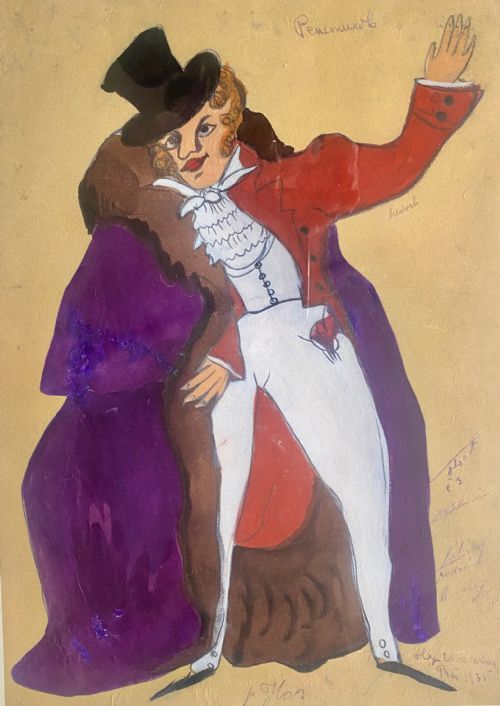
When you search for 1930s figurative art, you encounter a diverse selection of paintings, drawings, sculptures, and table lamps that focus on the human body and character. These works range from French Art Deco oils and Swedish modernist canvases to avant-garde surrealist gouaches and Balinese modernist depictions of dancers.
You are most likely to meet expressive portraits of women, nude studies, and figurative sculptures rendered in styles stretching from Post-Impressionism to British Realism. The pieces capture human motion and repose, utilising subjects such as dancers, athletes, musicians, and mythological figures.
The selection reflects international production centres, drawing on French, English, Spanish, and Swedish talents of the period. Forms vary widely from flat prints and waterpapers to substantial oil paintings and carved or cast figures.
Materials and techniques of the period
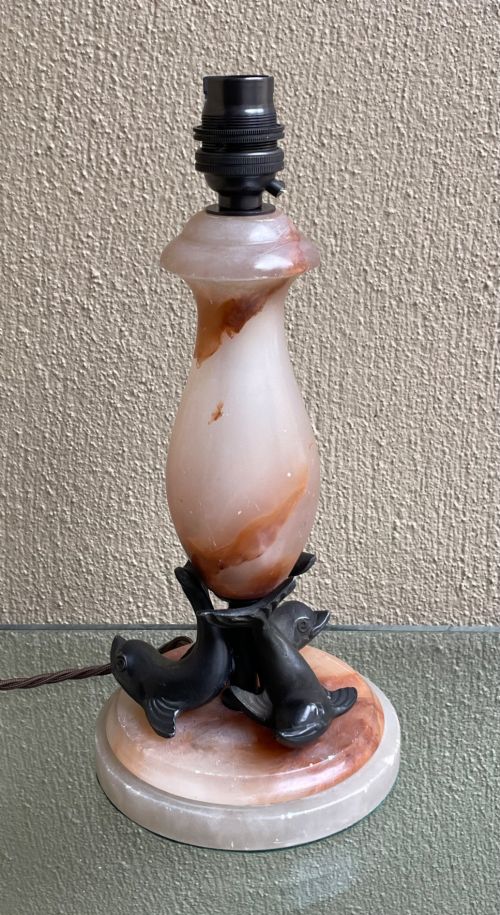
Makers utilised canvas, paper, board, and wood as grounds for paintings, applying oil, gouache, watercolor, and pastel pigments to create depth and tone. Sculptures and decorative lamps combined carved alabaster, terracotta, marble, and ceramics with metal elements including gilt bronze, chromed components, and spelter.
Techniques range from classical oil painting and etching to hand-painted cabinet decoration and detailed bronze casting. Artists employed bold modernist strokes alongside delicate draftsmanship to articulate form, texture, and light within the subject matter.
1930s Figurative Art Retail Price Guide 2026
Typical asking prices for 1930s figurative art among the pieces listed under this phrase on Sellingantiques today, from the lower quarter to the upper quarter. They describe what is for sale here now, not the wider market.
Periods recorded span from the 1910s through to the 1940s, with a strong concentration around 1930.
Distinctions in quality
Quality in these figurative works rests upon the precision of anatomical rendering, the expressive strength of the composition, and the fidelity of the medium to its period style. Stronger pieces display confident brushwork, balanced proportions, and a clear artistic vision whether executed in oils or carved in marble.
Material choice and handling also separate the ranges, where finely cast metals, rich patinas, and carefully prepared panels demonstrate superior atelier execution. Weaker examples may show hesitant line work or generic composition lacking the distinct modernist or Art Deco character of accomplished makers.
Kurt Lorein Victor Peiser·Josef Lorenzl·Philippe de Rougemont·Olga Choumansky·Margaret Maitland Howard·Henri Vincent-Anglade·Philip Naviasky·Gilbert Privat·Argilor Paris·Usabal y Hernandez·Yo Mayer·Donald Wood
The 1930s Figurative Art Glossary
- Art Deco
- A design style dominant in the interwar period characterised by sleek lines, geometric forms, and stylised representations of the human figure.
- Surrealism
- An avant-garde movement exploring the subconscious mind, resulting in dreamlike imagery and unexpected juxtapositions in painting and printmaking.
- Spelter
- An alloy of zinc used widely as a cost-effective substitute for bronze in decorative figures and lamps, often finished with patinas.
- Gouache
- An opaque water-based paint that provides solid, flat areas of colour and sharp detail in works on paper.
- Post-Impressionism
- An artistic development extending French impressionist methods towards more personal expression and structured forms.
1930s Figurative Art: Frequently Asked Questions
What defines 1930s figurative art?
These pieces focus primarily on human subjects, incorporating styles like Art Deco, Surrealism, and Modernism.
They reflect the diverse aesthetic movements of the interwar decades across European and global workshops.
How were figurative lamps used?
Table lamps and night lights doubled as functional illumination and sculptural ornaments for domestic interiors.
Figures such as dancers, athletes, and animals were integrated directly into the lamp bases.
Where were these artworks produced?
Production centred largely in European hubs such as France, England, Spain, and Sweden during the modernist era.
Items also arrived from international sources, including Balinese modernist traditions of the same decade.
How do I care for oil paintings?
Keep canvases and oil boards away from direct sunlight and excessive humidity to protect the paint layers.
Dust gently with a soft, dry cloth without applying chemical cleaners to the surface.
What separates prints from paintings?
Paintings are unique hand-painted works executed directly on canvas, paper, or board using mediums like oil or gouache.
Prints and etchings involve mechanical or pressed reproduction techniques from an inked matrix or plate.