







1930s Female Sculpture
These 1930s female sculpture works capture the dynamism of the interwar period through striking depictions of dancers and nudes.
1930s Female Sculpture
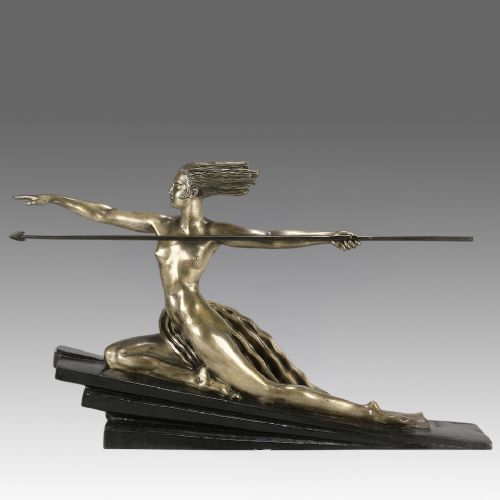
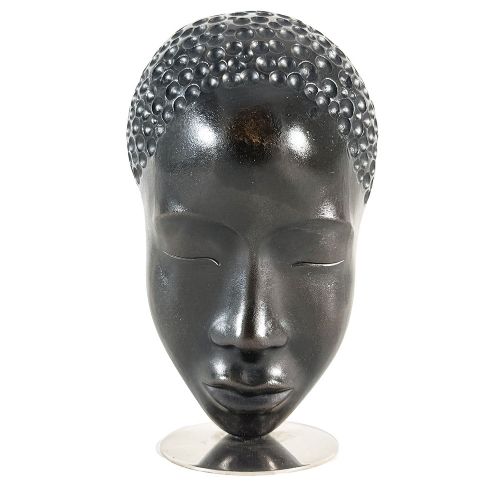
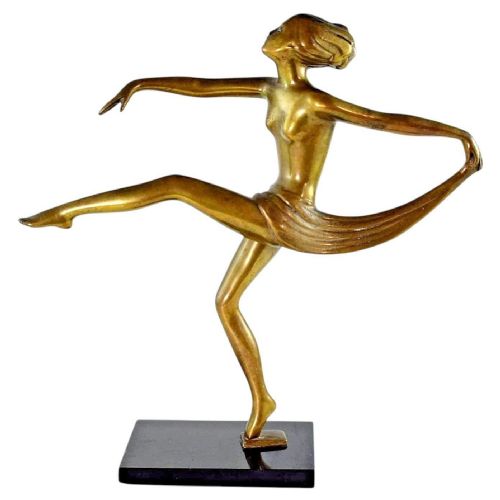
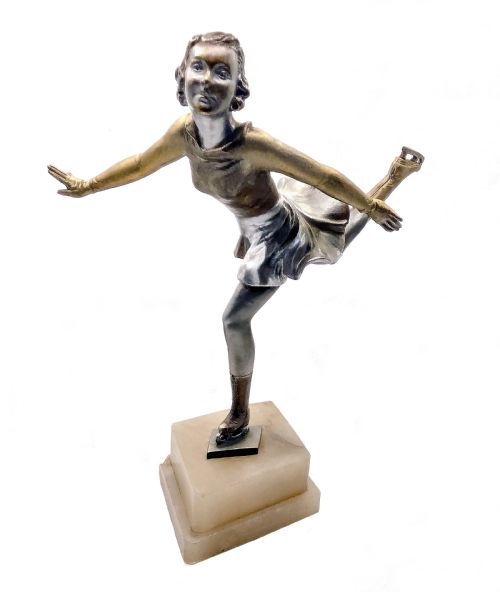
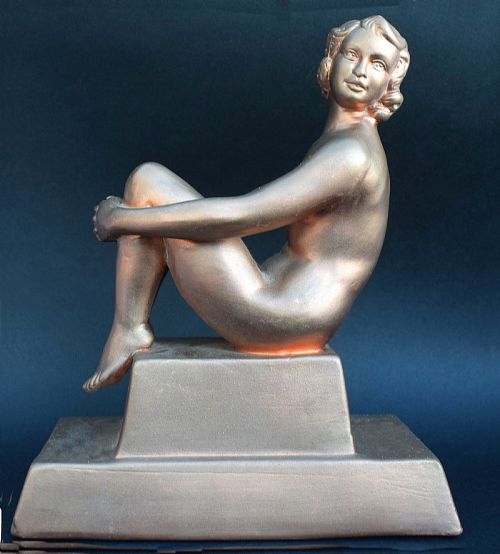
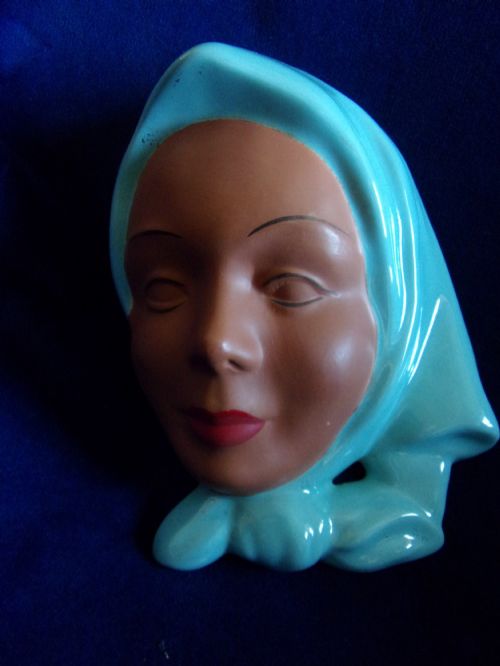
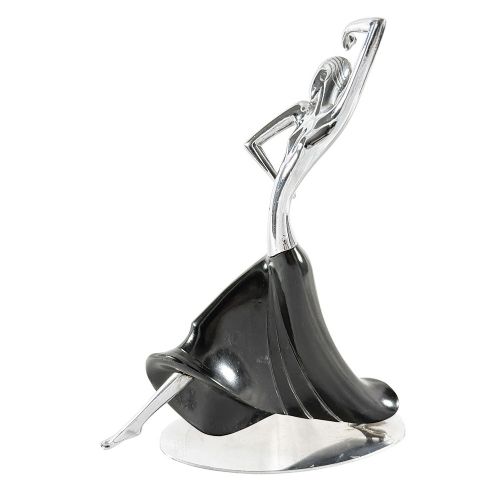
When searching for 1930s female sculpture, buyers encounter figurative works that embody the aesthetics of Art Deco and Balinese Art Deco. These pieces primarily take the form of dancers, nudes, busts, and wall masques.
The objects span from cabinet figures to large floor and table pieces. Many figures interact with specific props like hoops, mirrors, or birds, reflecting the movement and fashion of the era.
Most examples originate from European workshops and studios, predominantly French and Austrian, alongside distinct Indonesian Janger dancer representations.
Materials and construction methods
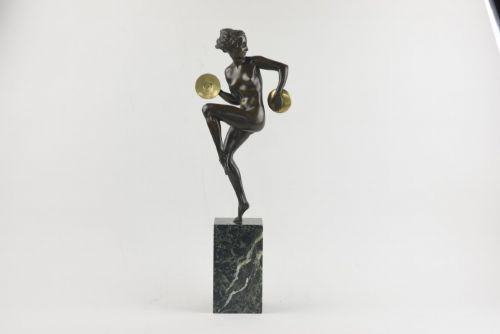
Makers utilised a diverse palette of materials, casting figures in bronze, spelter, and chrome plate, frequently mounting them on marble, onyx, or alabaster bases. Some examples incorporate carved wood, terracotta, porcelain, glass, and painted metal.
Surface treatments vary from patinated bronze and silver plating to detailed hand-painting, particularly on terracotta and metal figures. Bases are often shaped to anchor dynamic poses such as leaping dancers and balancing nudes.
1930s Female Sculpture Retail Price Guide 2026
Typical asking prices for 1930s female sculpture among the pieces listed under this phrase on Sellingantiques today, from the lower quarter to the upper quarter. They describe what is for sale here now, not the wider market.
Several ladies double as table lighters, proving that interwar elegance could also help you ignite a cigarette.
Factors determining quality
The choice of base material and the integration of the figure with its mount influence the overall construction. Heavy veined marble or onyx plinths paired with signed metalwork represent the upper tier of production.
Hagenauer·Josef Lorenzl·Aurore Onu·Sibylle May·Gilbert Privat·Rene Andre Varnier·Demetre Chiparus·Marius Ernest Sabino·Ugo Cipriani·Paul Joris·C Neuhaus·Bohumil Rezl·Geo Maxim·Royal Dux
The 1930s Female Sculpture Glossary
- Spelter
- A zinc alloy commonly utilised as a cost-effective alternative to bronze for Art Deco figures. It takes patination and paint well.
- Chryselephantine
- A term describing a statue made of a combination of bronze and ivory. These works often depict dancers with carved ivory faces and hands.
- Wall masque
- A decorative sculptural relief designed to be hung directly on a wall. These pieces frequently portray stylized female faces.
- Caryatid
- A carved female figure serving as an architectural support or standing as an independent sculptural column. In glass or bronze, they form striking columnar pieces.
- Patinated bronze
- Bronze treated with chemical solutions to produce a specific surface colour or aged finish. This process protects the metal while accentuating sculptural contours.
1930s Female Sculpture: Frequently Asked Questions
What materials are common?
Sculptures from this period utilise a range of media, most notably cast bronze and spelter, paired with stone bases like marble and onyx.
Other works incorporate terracotta, carved wood, glass, and porcelain, frequently enhanced with paint or metal plating.
How do I identify a dancer figure?
Dancer figures typically exhibit outstretched arms, arched backs, and garments caught in motion. Many are depicted balancing on one leg or holding hoops and scarves.
These dynamic poses were central to Art Deco design, capturing the energy of contemporary performance arts.
Are bases original to the sculptures?
Many figures are mounted on heavy stone bases made of marble, onyx, or alabaster to ensure stability for cantilevered poses. Original bases generally show appropriate wear and fit the proportions of the metalwork precisely.
Where were these pieces made?
Production was centered in European workshops, with significant numbers originating from France and Austria. Individual pieces also reflect influences from Balinese art traditions.