




1930s English Glass
These pieces of 1930s english glass capture the bold geometry and rich colour of the interwar period.
1930s English Glass
When you search for 1930s english glass, you encounter items shaped by the dominant Art Deco aesthetic of the decade. The selection spans functional tableware, decorative vessels, and architectural elements integrated into clocks and lighting.
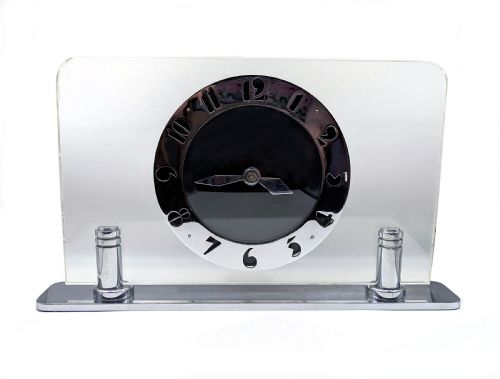
The most common forms on this page include coloured glass bowls, mantel clocks, decanters, and vases rendered in solid hues or clear crystal. Domestic items range from opaline pendant lights to heavy amethyst vases and blue glass clock panels.
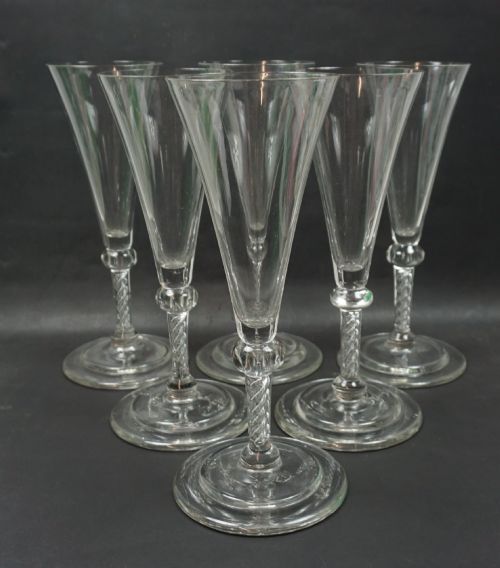
Makers and manufacturers of the period utilised distinct moulding and cutting techniques, producing distinctive pieces such as opalescent bowls and air twist stems. These items reflect the era's transition from traditional craft towards modern industrial design.
Judging Quality
Quality rests on the depth of colour, the clarity of the material, and the crispness of any moulded or cut detail. Pieces bearing distinct signatures or originating from known potteries and glasshouses command stronger interest.
The integration of auxiliary materials, such as heavy sterling silver mounts or precision mechanical clockwork housed behind peach mirror glass, elevates the standing of an object.
Listings combine pressed glass bowls, opaline pendant lights, and cut crystal decanters with walnut and chrome furnishings from the interwar period.
Graystan·Jobling Opalique·Smiths Clockmakers·GEC·Enfield
The 1930s English Glass Glossary
- Art Deco
- A design style characterised by sleek geometric shapes, stylised motifs, and modern industrial materials that peaked during the interwar years.
- Opaline
- An opaque or semi-translucent glass that diffuses light softly, frequently utilised for pendant lights and decorative vessels.
- Air twist
- A decorative stem technique containing an internal spiral of tiny air bubbles trapped within the solid crystal.
- Guilloche
- An intricate mechanical engraving technique producing precise, repeating geometric patterns beneath a translucent enamel layer.
- Decanter
- A stoppered glass vessel designed for holding and serving wine or spirits.
1930s English Glass: Frequently Asked Questions
How do I identify 1930s glass?
Look for characteristic interwar colour palettes such as peach, deep blue, amethyst, and amber. The forms often display strong Art Deco geometry or moulded relief patterns.
Examine the base and manufacturing marks where present. Many pieces combine the glass with chrome, brass, or sterling silver mounts typical of the period.
Were these items used daily?
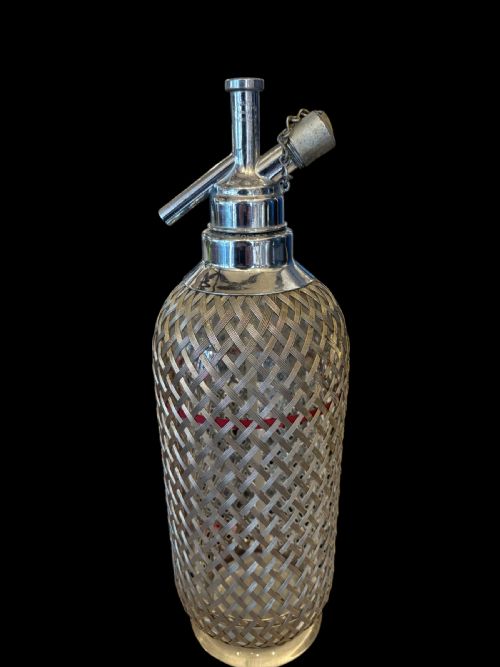
Many objects served practical domestic functions, including decanters, soda syphons, and drinking flutes. Others, such as mantel clocks and decorative bowls, were primarily ornamental.
Clocks integrated coloured mirror glass and electric movements into living spaces, while vases and bowls added vibrant colour to interiors.
How should I clean coloured glass?
Wash pieces gently in lukewarm water with mild soap. Avoid harsh chemical cleaners that might damage delicate surface finishes or metallic mounts.
Dry the glass thoroughly with a soft cloth to prevent water spots, taking particular care with items featuring silver collars or enamel details.
Did glassmakers sign their work?
Some pieces carry etched signatures, registration numbers, or maker stamps from prominent glasshouses and designers. However, many production items left the works unmarked.
Attribution often relies on known patterns, distinctive colour formulations, and characteristic moulding techniques documented in period catalogues.