

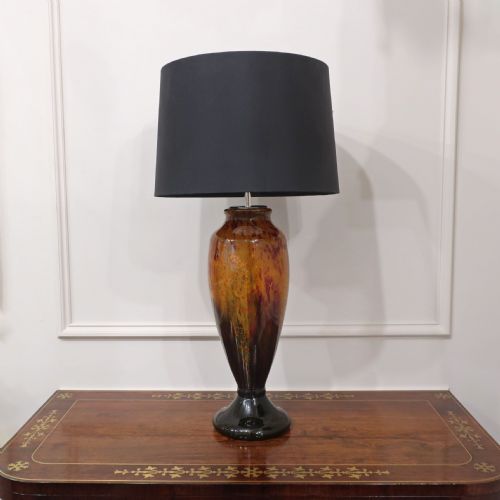


1930s Decorative Lighting
These 1930s decorative lighting pieces bring geometric style and striking illumination to a room, offering genuine period character for a collector's interior.
1930s Decorative Lighting
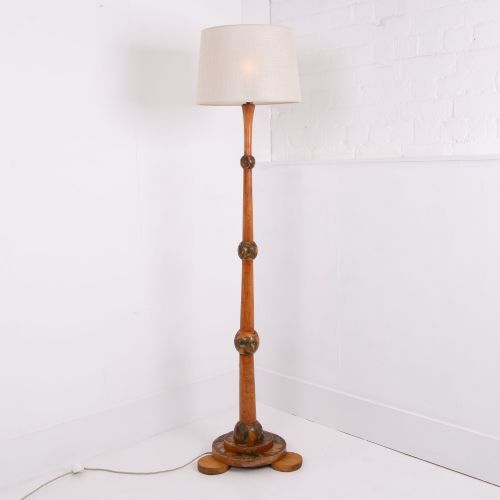
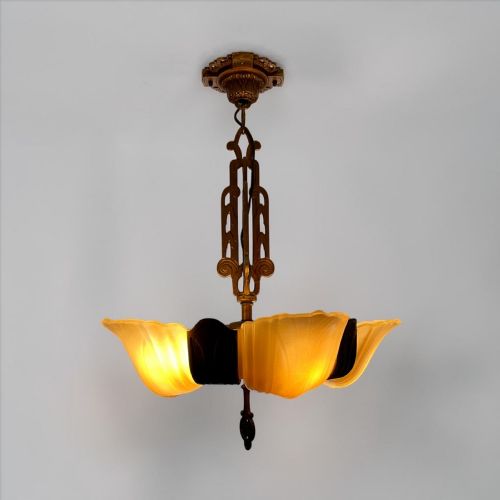
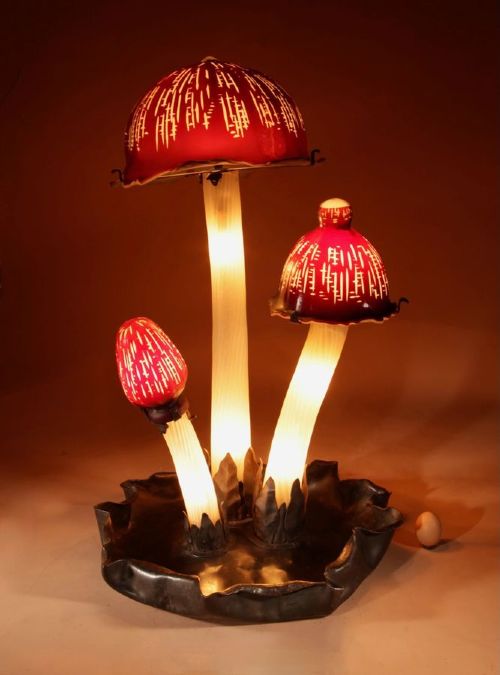
When you search for 1930s decorative lighting, you are looking at fixtures designed to illuminate interiors during an era defined by bold geometric forms and industrial experimentation. The pieces appearing here span table lamps, ceiling lights, and wall sconces created across Europe and America. These items reflect the dominant aesthetics of the period, notably Art Deco and folk art influences.
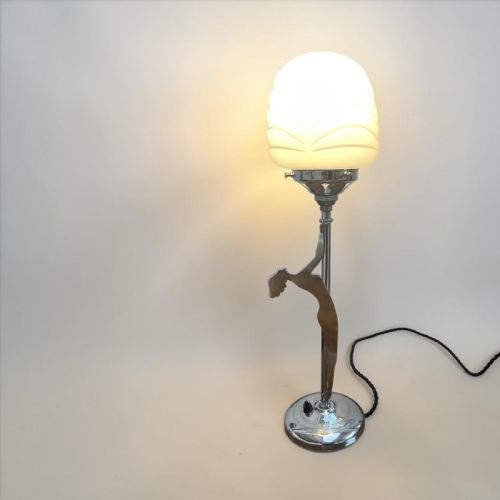
The most common examples you will meet on this page are table lamps and ceiling lights fashioned from distinctive glass and metal combinations. Many incorporate frosted, mottled, or opaline glass paired with patinated or cast metal bases. Alongside standard illumination, the selection occasionally encompasses night lights and figural designs that double as sculptural objects.
How these pieces were made
Makers of 1930s decorative lighting relied heavily on specialised glasswork, utilising techniques that produced mottled, frosted, and opaline surfaces. Glass shades were often cast in moulds to achieve the characteristic geometric or organic shapes demanded by the Art Deco style. These shades were then fitted to heavy metal frames, utilising brass, cast iron, or wrought iron components.
Metal fabrication played a crucial role in the construction of bases and wall sconces, incorporating cast metal and wrought iron elements that often received a patinated finish. Some pieces also integrated alternative materials such as marble or granite for added stability and weight. Fabric shades and painted ceramic elements appear in specific lamp designs, reflecting the diverse material palette of the decade.
1930s Decorative Lighting Retail Price Guide 2026
Typical asking prices for 1930s decorative lighting among the pieces listed under this phrase on Sellingantiques today, from the lower quarter to the upper quarter. They describe what is for sale here now, not the wider market.
Listings feature items exclusively from the 1920s and 1930s, incorporating glass, marble, wrought iron, fabric, and patinated metal.
What varies in quality
The distinction between standard and superior 1930s decorative lighting often lies in the artistic ambition of the design and the sophistication of the materials. Pieces featuring specialised glass treatments, such as layered opaline or complex mottled finishes, demonstrate a higher degree of manufacturing skill. The inclusion of named artistic attribution or sculptural figural elements also elevates a piece above standard utilitarian production.
Material combination and structural integrity further define the hierarchy of quality within these items. Heavier, durable bases utilising granite or patinated metal alongside hand-wrought iron components indicate a more substantial build. The refinement in casting detail, particularly on figural lamps and metal mounts, separates mass-produced items from superior studio creations.
P. Sega
The 1930s Decorative Lighting Glossary
- Art Deco
- A design style prevalent in the 1920s and 1930s characterised by streamlined geometric forms and modern materials. It heavily influences the silhouette and ornamentation of lighting fixtures from this era.
- Opaline glass
- A milky, semi-translucent glass popular in lighting design for its ability to diffuse light softly. It appears frequently in period shades and night lights.
- Wrought iron
- Iron that is beaten or bent into shape by hand, commonly used for the structural arms of wall sconces and heavy lamp frameworks. It offers durability alongside decorative malleability.
- Patinated metal
- Metal surfaces that have acquired a specific sheen or coloration through age or chemical treatment. This finish adds depth and visual interest to lamp bases and brackets.
- Figural lamp
- A lighting fixture incorporating a sculpted human, animal, or symbolic figure as the central design element. These pieces function as both sculpture and illumination.
1930s Decorative Lighting: Frequently Asked Questions
What styles define 1930s lighting?
The lighting from this decade is predominantly shaped by the Art Deco movement, which favours streamlined geometry, stylised motifs, and modern industrial aesthetics. Alongside this, regional folk art influences occasionally appear in specific decorative objects.
Materials such as frosted glass, patinated metal, and wrought iron reinforce these distinct design movements.
How do I identify a period lamp?
Authentication relies on observing the combination of specific materials, such as mottled or opaline glass paired with cast or wrought metal bases. The presence of characteristic geometric motifs and manufacturing techniques points directly to the era.
Examining the weight, construction methods, and material patination helps confirm the period origin.
Were these lights used in homes?
These fixtures were created for domestic interiors, functioning as functional illumination for living spaces, hallways, and bedrooms. Table lamps and wall sconces provided targeted task or ambient light.
Ceiling lights served as primary overhead illumination sources for rooms during the period.
What materials are most common?
Glass and metal dominate the physical construction of these pieces, with frosted, mottled, and opaline glass varieties frequently used for shades. Metal elements typically include cast iron, wrought iron, brass, and patinated metal.
Additional materials like marble, granite, and fabric occasionally support the primary structures.