


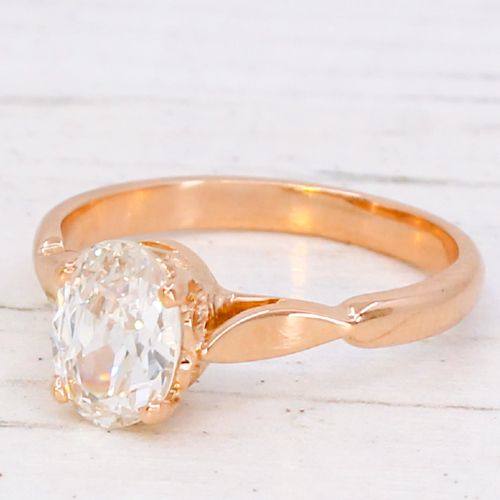


1925 Engagement Ring
A 1925 engagement ring brings geometric clarity and exceptional gemstones to the finger, uniting old cut stones with distinctive period work.
1925 Engagement Ring
When someone searches for a 1925 engagement ring, they encounter pieces from the Art Deco period, defined by clean lines and architectural geometry. These rings celebrate a time of bold design and precise metalwork.
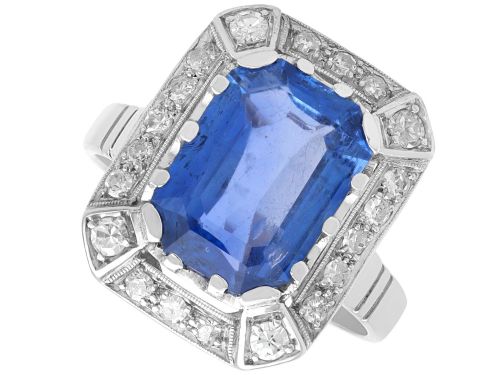
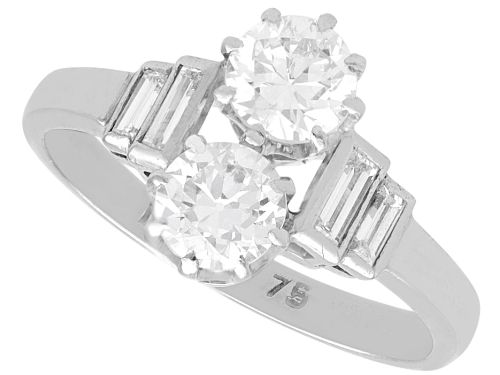
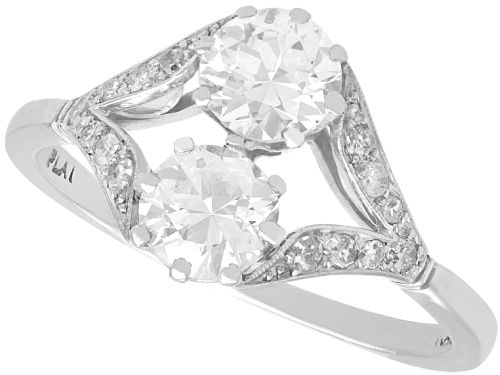
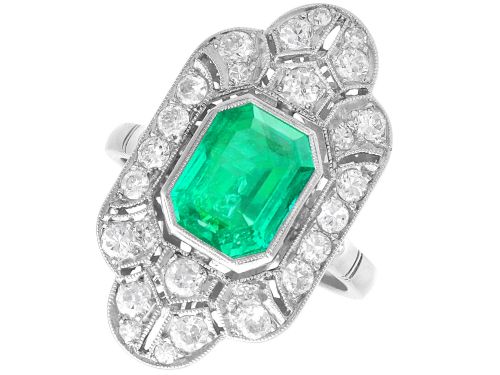
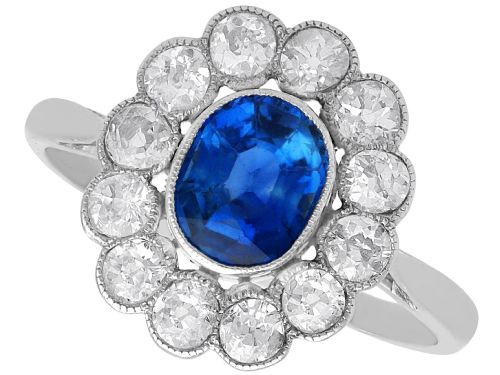
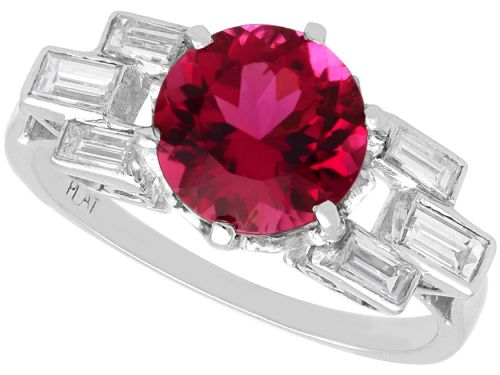
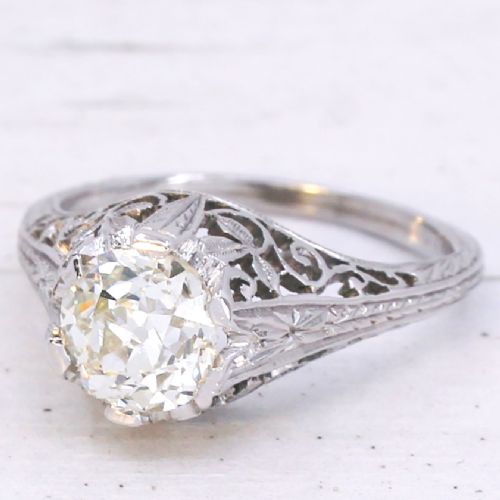
The versions most commonly met on this page combine platinum or white gold settings with central diamonds accompanied by sapphires, emeralds, or rubies. Solitaires and cluster arrangements dominate the forms available.
How They Were Made
Platinum and 18ct white gold provide the robust structural foundations for these rings, allowing intricate openwork galleries and secure bezel or claw settings. Yellow gold also appears in specific cluster and multi-stone configurations.
Old cut diamonds, including old European and old oval cuts, supply the characteristic soft scintillation distinct from modern brilliant cuts. Gemstones such as Burmese rubies and Colombian emeralds are set alongside these diamonds.
1925 Engagement Ring Retail Price Guide 2026
Typical asking prices for 1925 engagement ring among the pieces listed under this phrase on Sellingantiques today, from the lower quarter to the upper quarter. They describe what is for sale here now, not the wider market.
All items reflect the Art Deco style associated with the 1920 and 1940 periods.
What Varies in Quality
The standard of a 1925 engagement ring rests upon the clarity, origin, and cut quality of its central diamond and coloured stones. Natural unheated rubies and certified emeralds distinguish higher tier examples.
The precision of the platinum metalwork and the preservation of original settings determine the overall integrity of the piece. Superior craftsmanship shows in the crispness of the geometric detailing and secure stone seating.
The 1925 Engagement Ring Glossary
- Art Deco
- A design style characterised by sleek geometric shapes, stylised motifs, and strong vertical lines. This aesthetic dominated jewellery production during the 1925 period.
- Old Cut
- A traditional diamond cutting style featuring a smaller table and higher crown, producing broad facets that catch candle or gas light warmly.
- Platinum
- A dense, strong white metal favoured in the 1920s for its ability to hold intricate millegrain work securely without adding excessive weight.
- Cluster Ring
- A ring style featuring a prominent central stone encircled by smaller accent stones, creating a larger visual impact on the finger.
- Trilogy Ring
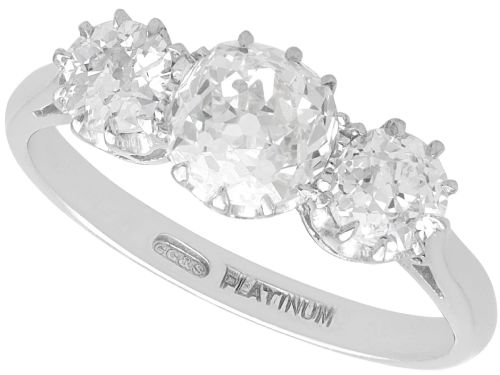
- A three-stone ring design representing the past, present, and future, typically set with graduated diamonds or coloured gems.
1925 Engagement Ring: Frequently Asked Questions
What defines a 1925 engagement ring?
These pieces originate primarily from the 1920 period and display the distinct geometric hallmarks of Art Deco design. They combine platinum settings with old cut diamonds and vibrant coloured stones.
Craftsmanship from this era prioritises metalwork precision, featuring millegrain edges and openwork galleries that frame the central gems.
How do I care for my ring?
Wear the piece with care, removing it during rigorous physical activities to protect the antique platinum or white gold settings. Regular gentle cleaning maintains the brilliance of the stones.
Store the ring in a dedicated lined box to prevent scratching from other items in your jewellery collection.
What stones are used?
Diamonds form the primary stone choice, frequently paired with sapphires, emeralds, rubies, pink tourmalines, white opals, and natural pearls. Burmese rubies and Colombian emeralds appear among the coloured varieties.
Metal selections include platinum, 18ct white gold, 14ct white gold, and occasional yellow gold variations.
Are these rings original?
The pieces listed date from the periods recorded in the evidence, specifically spanning the 1920 era and 1940 examples. They retain their original antique components and period settings.
Documentation sometimes includes certification from gemological institutes verifying stone origins and treatment statuses.