



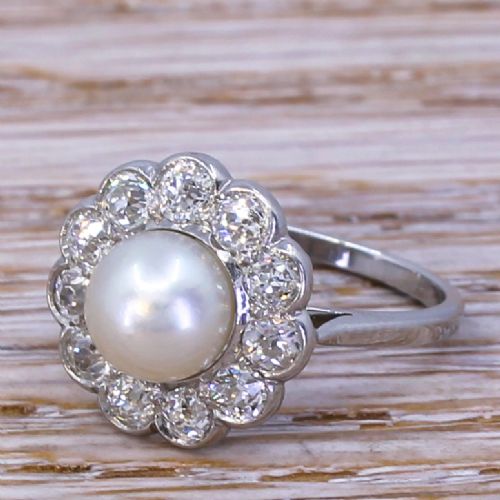


1925 Cocktail Ring
A 1925 cocktail ring is a bold piece of Art Deco jewellery designed to catch the eye across a crowded room.
1925 Cocktail Ring
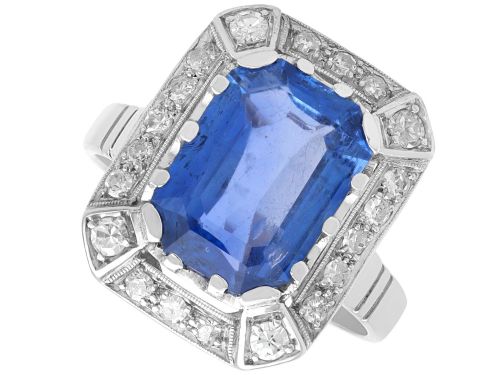
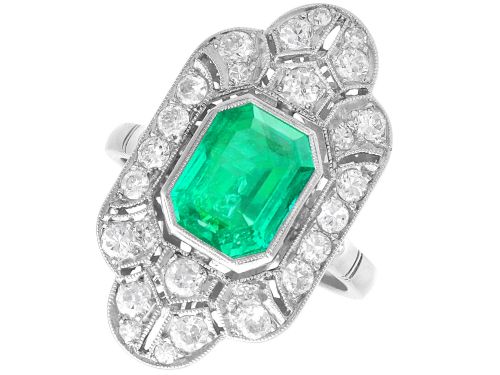
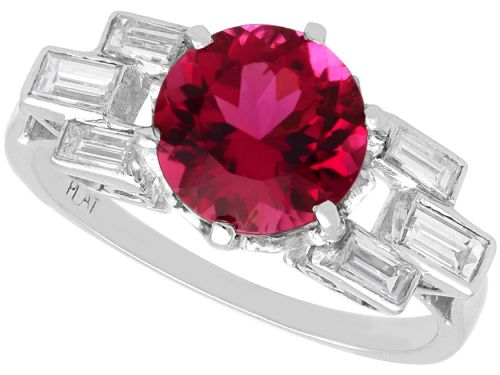
A 1925 cocktail ring defines the bold, geometric aesthetic of the Art Deco period, created to make an unmistakable visual statement during evening gatherings. These pieces typically feature a substantial central gemstone surrounded by smaller accent stones, designed specifically for maximum nighttime brilliance.
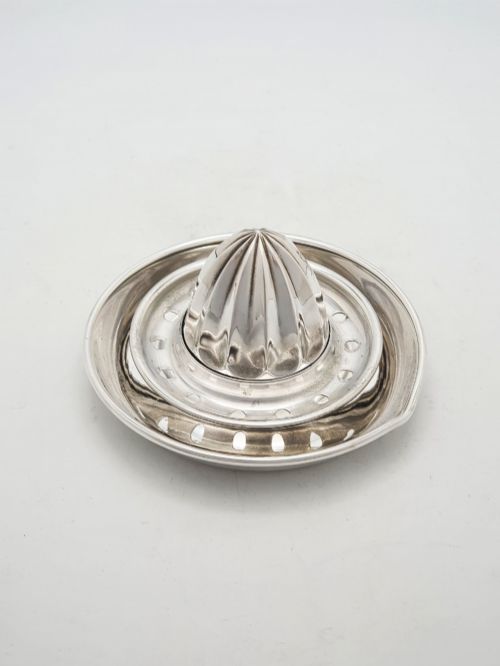
You are most likely to encounter platinum and white gold settings housing striking gemstones such as emeralds, rubies, tourmalines, zircons, and opals. Alongside dress rings, the inventory includes domestic items like silver-plated citrus juicers with strainer rings from the exact same year.
How they were made
Craftsmen utilised durable white metals such as platinum, 18ct white gold, 14ct white gold, and 15ct yellow gold to construct secure, intricate mountings for multifaceted stones. These metals provided the necessary structural strength to support high-carat clusters without overpowering the visual geometry.
Goldsmiths set old-cut diamonds alongside significant coloured stones including Colombian emeralds, Mogok Burmese rubies, pink tourmalines, and white opals. Each stone was chosen for its distinct hue and cut, creating high-contrast arrangements characteristic of the era.
1925 Cocktail Ring Retail Price Guide 2026
Typical asking prices for 1925 cocktail ring among the pieces listed under this phrase on Sellingantiques today, from the lower quarter to the upper quarter. They describe what is for sale here now, not the wider market.
Among the fine gems and precious metals sits a lone silver-plated lemon squeezer with its own strainer ring, ready for 1925 cocktail hour.
What varies in quality
Quality rests upon the weight, origin, and optical liveliness of the central gemstone, alongside the precision of the surrounding diamond cluster work. Stones with certified geographical origins, such as Colombian emeralds or Mogok Burmese rubies, distinguish the highest tier of pieces.
The integrity of the precious metal setting and the symmetry of the Art Deco geometric arrangement dictate the overall refinement of the ring. Master jewellers ensured that claw settings and gallery work remained proportionate to the substantial carat weights they held.
The 1925 Cocktail Ring Glossary
- Art Deco
- A design style spanning the 1920s and 1930s characterised by symmetrical geometric patterns, stylised motifs, and a modern aesthetic. It moved away from the flowing curves of the preceding Edwardian and Art Nouveau eras.
- Cluster ring
- A ring design featuring a prominent central gemstone encircled by a group of smaller accent stones, typically diamonds. This layout maximises light reflection and perceived visual size.
- Old-cut diamond
- A diamond cut by hand before modern machinery standardised facet proportions in the mid-twentieth century. These stones exhibit smaller tables and broader facets designed to catch candlelight.
- Platinum
- A dense, strong, and malleable white precious metal utilised in fine jewellery for its ability to hold delicate stone settings securely. Its natural white lustre does not fade or require plating.
1925 Cocktail Ring: Frequently Asked Questions
How do I wear a cocktail ring?
Cocktail rings are designed as statement pieces, traditionally worn on the right hand to draw attention during social gatherings. Because of their substantial carat weight and prominent settings, they suit special occasions and evening wear.
When wearing one daily, consider pairing it with simpler jewellery to let the geometric design and coloured stones command full attention. Ensure the ring fits comfortably on a finger that experiences less heavy physical activity to protect the setting.
Which metals were used in 1925?
Jewellers in 1925 predominantly utilised platinum and various grades of white and yellow gold to mount their stones. Platinum was favoured for its strength and bright white finish, allowing for delicate yet secure claw settings.
Gold was also cast in 18ct white gold, 14ct white gold, 14ct yellow gold, and 15ct yellow gold depending on the desired tone and weight. These metals provided the durable foundation required for multi-stone cluster designs.
How do I identify Art Deco style?
Art Deco style is identified by strict symmetry, clean lines, and geometric shapes such as triangles, chevrons, and stepped patterns. This aesthetic marked a sharp departure from organic, flowing floral motifs.
In jewellery, this translates to structured cluster arrangements, calibrated gemstone cuts, and high-contrast colour pairings like white diamonds against deep green emeralds or red rubies.