




1920s Wooden Drawers
These 1920s wooden drawers bring genuine period character and reliable storage to a room through solid craftsmanship in walnut, oak, and mahogany.
1920s Wooden Drawers
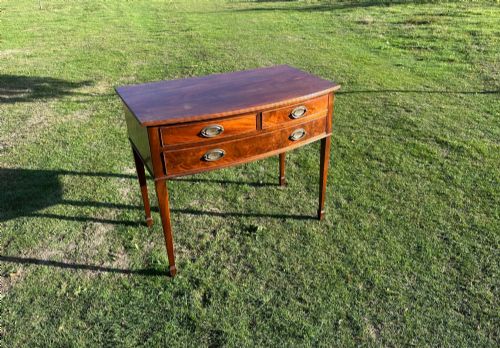
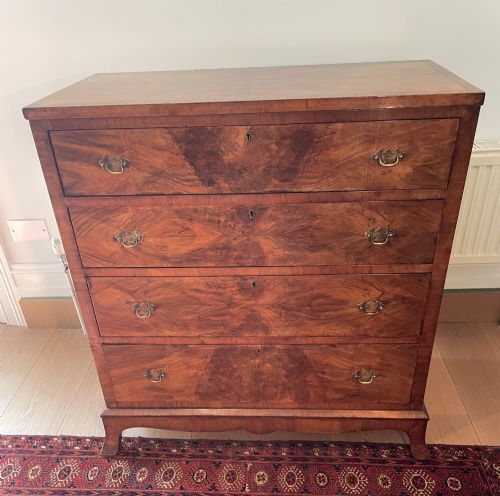
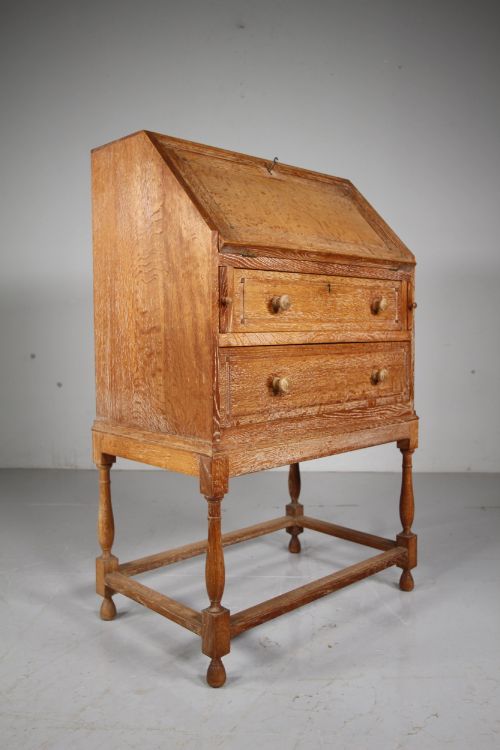
When searching for 1920s wooden drawers, buyers encounter a diverse selection of practical furnishings ranging from classic chests of drawers and bedside cabinets to specialised items like library card filing sets, collector chests, and writing bureaux. These pieces originate predominantly from the 1920 period alongside some examples from 1930, reflecting the stylistic transitions of the era.
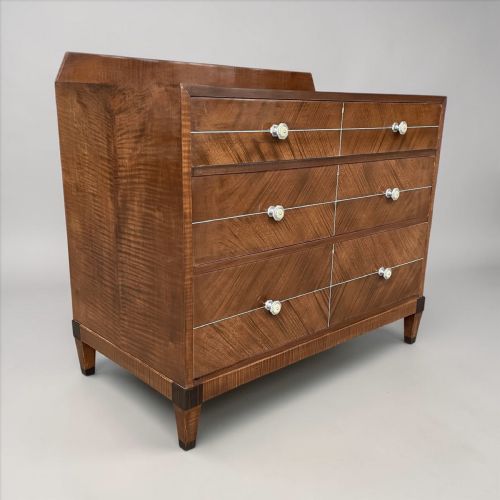
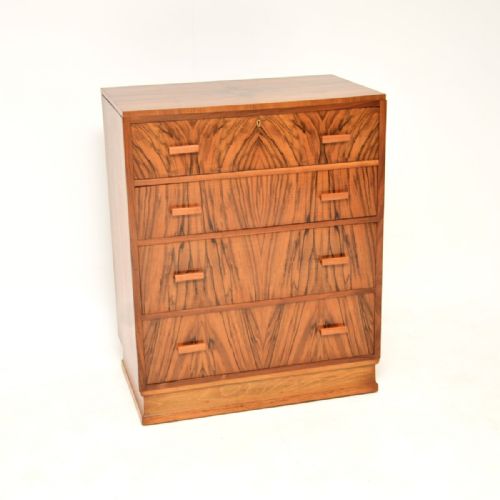
The objects available span several distinct design movements, most notably Art Deco, Arts and Crafts, George V, and 1920s Industrial, alongside regional variations such as Anglo-Indian and English Country styles. Buyers are most likely to meet traditional oak or walnut chests of drawers and utilitarian workshop banks of drawers on this page.
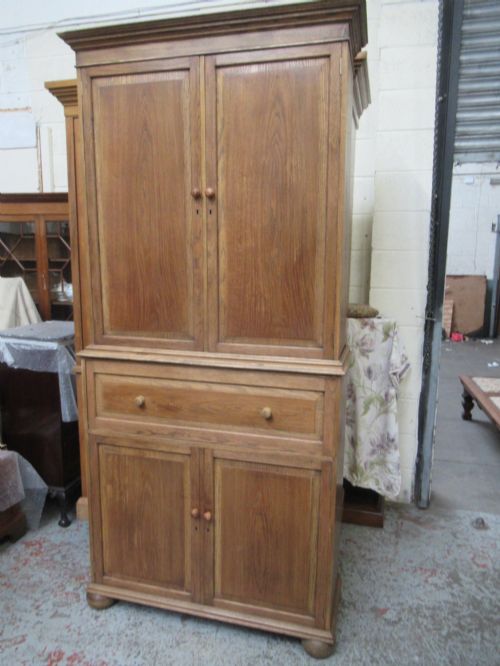
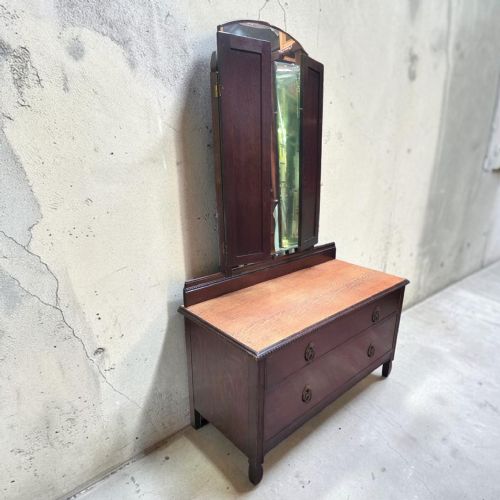
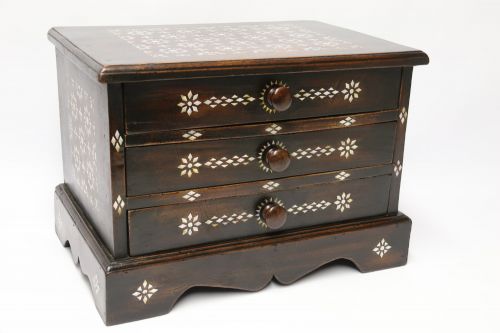
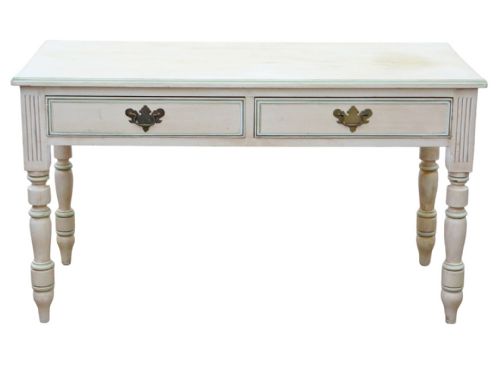
Forms vary from tallboys and dressing tables to painted kitchen tables with drawers and compact jewellery chests, demonstrating how drawers were integrated into every corner of the interwar home and workplace.
How they were made
The construction relies heavily on traditional timber selection, utilising durable woods such as oak, walnut, burr walnut, mahogany, and pine, frequently enhanced by decorative wood veneers and occasional painted finishes.
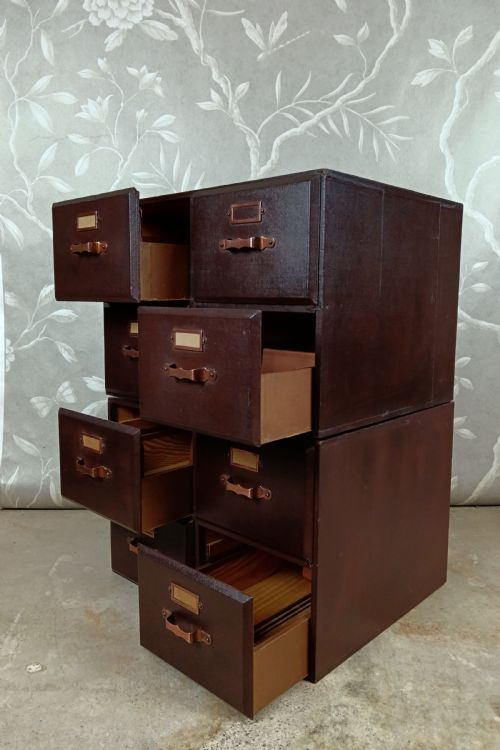
Hardware plays a functional and decorative role, with brass fittings appearing alongside glass elements in pieces like dressing table mirrors and library filing sets.
1920s Wooden Drawers Retail Price Guide 2026
Typical asking prices for 1920s wooden drawers among the pieces listed under this phrase on Sellingantiques today, from the lower quarter to the upper quarter. They describe what is for sale here now, not the wider market.
A library card filing set proves that interwar paperwork was taken remarkably seriously.
What varies in quality
Quality in these pieces is dictated by the selection of timbers, such as figured walnut and burr walnut versus standard pine or oak, as well as the complexity of the cabinetmaker's joinery.
Stylistic execution also separates standard utility items from high-end commissions, seen in the refined lines of Art Deco pieces and labelled maker furniture compared to basic workshop storage.
Heal and Son
The 1920s Wooden Drawers Glossary
- Art Deco
- A design style emerging in the interwar period characterised by sleek geometric shapes, stylised motifs, and luxurious materials like figured walnut.
- Burr walnut
- A highly prized timber cut from the abnormal growth of a walnut tree, yielding rich, swirling grain patterns used for decorative veneer.
- Bureau
- A sloping desk with a hinged flap that covers a series of interior compartments and small drawers.
- Tallboy
- A tall chest of drawers, often consisting of a wardrobe section above standard drawers or a double chest stacked vertically.
- Filing cabinet
- A piece of furniture designed to organise documents systematically, with examples from this era including library card filing sets.
1920s Wooden Drawers: Frequently Asked Questions
How do I date 1920s drawers?
Dating relies on observing construction methods, timber choices, and stylistic markers typical of the 1920 and 1930 periods. Details such as original brass hardware and maker labels provide reliable chronological anchors.
Reviewing the specific design movement, whether Art Deco, Arts and Crafts, or George V, helps narrow down the production decade.
What woods were used in 1920s furniture?
Makers of this era utilised a variety of native and exotic timbers depending on the function and style of the piece. Oak, walnut, and mahogany formed the backbone of domestic furniture.
More decorative items frequently featured burr walnut veneers, while utilitarian workshop pieces often utilised pine or painted woods.
Are 1920s drawers suitable for daily use?
These pieces were built for practical everyday storage in interwar homes and offices, making them robust enough for modern living. Solid wood construction ensures durability across decades of opening and closing.
Care should be taken with delicate finishes like painted surfaces or fine walnut veneers to maintain their condition.
What is the difference between a chest and a tallboy?
A standard chest of drawers sits at a waist or chest height, designed primarily for folded garments and general bedroom storage. A tallboy extends significantly higher, often combining multiple drawer tiers or upper cabinetry.
Tallboys were conceived to maximise vertical storage capacity in smaller room footprints.