




1920s Walnut Hall Table
A 1920s walnut hall table brings practical surface space and rich grain to an entranceway, uniting period character with functional design.
1920s Walnut Hall Table
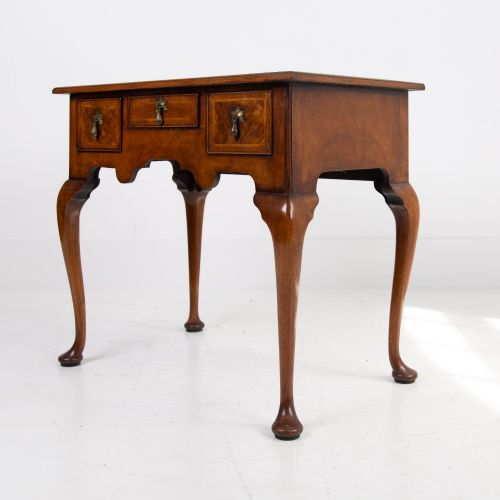
A 1920s walnut hall table encompasses a range of compact console, side, and card tables designed for narrow spaces such as hallways and corridors. These pieces primarily date from the 1920s and 1930s, alongside related Edwardian examples.
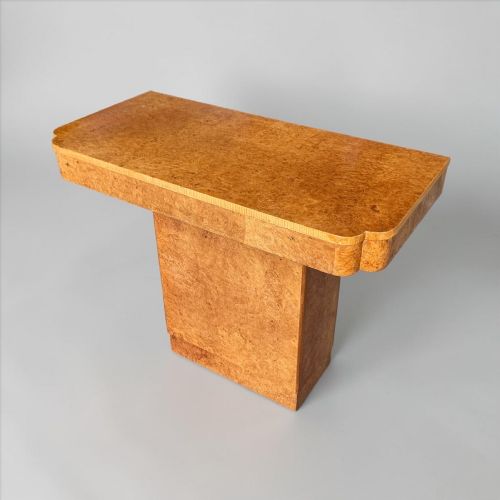
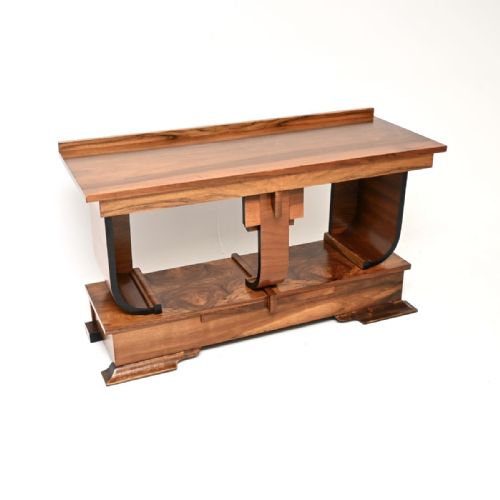
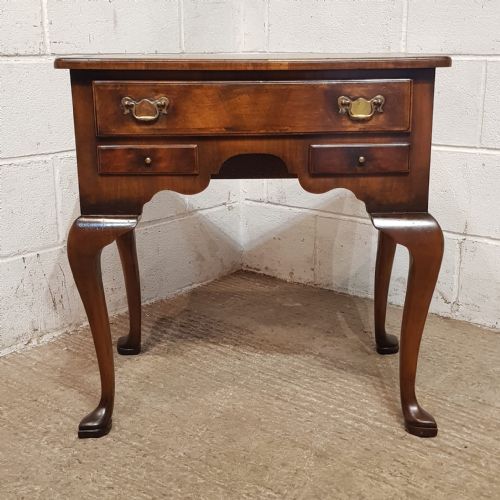
The forms span several distinct aesthetic revivals and modern movements. Buyers frequently encounter Queen Anne style and Queen Anne Revival lowboys, alongside streamlined Art Deco console tables and occasional tables.
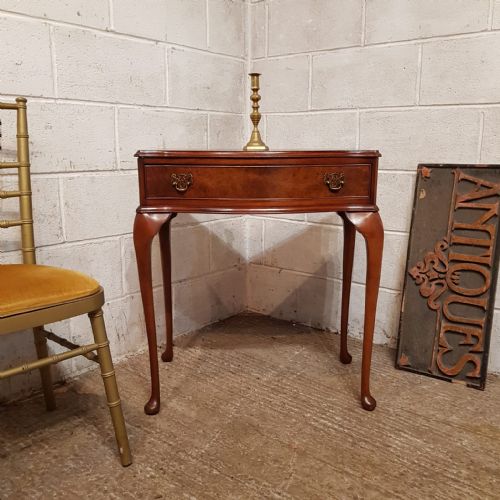
Variations in shape include serpentine fronts, bow fronts, and demi-lune folding card tables. These items utilise walnut, burr walnut, and figured walnut to provide distinct focal points in domestic interiors.
How these tables were constructed
Cabinet makers utilised solid woods and wood veneers over carcases, selecting figured walnut and burr walnut for decorative surfaces. These veneers show complex grain patterns across tabletops and drawer fronts.
Detailed elements often incorporate brass hardware and occasional ebonised wood accents. Tables span multiple revival styles, incorporating Rococo and Georgian Revival motifs alongside clean Art Deco lines.
Some tables double as card tables, ready to host a quiet hand of bridge after the post has been cleared from the hall.
What dictates quality in these tables
The selection and bookmatching of walnut veneer define the visual depth of the top surface. Richly figured burr walnut demonstrates a higher grade of material choice compared to plain timber.
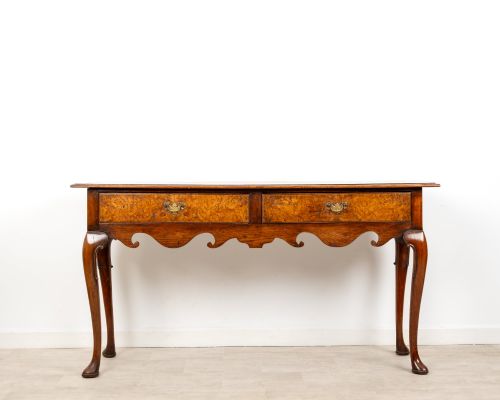
Execution of period revival details, from cabriole legs to serpentine shaping, separates standard production from finer cabinet work. Proportion and clean lines in forms such as lowboys and console tables indicate skilled manufacturing.
The 1920s Walnut Hall Table Glossary
- Lowboy
- A small table with drawers, typically raised on tall legs, functioning as a side table or dressing surface. These pieces often feature three drawers and cabriole legs in revival styles.
- Console table
- A table designed to stand against a wall, frequently anchored or shaped for narrow spaces like hallways. Versions from this era often feature serpentine or bow fronts.
- Burr walnut
- A wood harvested from the abnormal growth of a walnut tree, yielding intricate, swirling grain patterns. Cabinet makers prized this material for decorative veneer panels.
- Demi-lune
- A half-moon shape applied to furniture such as folding card tables. This profile allows tables to sit flat against a wall when closed.
- Queen Anne Revival
- A style drawing inspiration from early eighteenth-century furniture forms, characterised by cabriole legs and pad feet. Pieces of this design date to the early twentieth century.
1920s Walnut Hall Table: Frequently Asked Questions
What is a 1920s walnut hall table used for?
These tables provide a narrow surface in hallways for holding keys, post, and decorative items like lamps. Console and side table variants fit into compact circulation spaces without blocking passage.
Folding card tables offer an expandable surface option when extra table space is needed for occasional use.
How do I identify Art Deco versus Queen Anne style?
Art Deco pieces rely on clean geometric lines, sleek console forms, and unadorned figured walnut surfaces. They reflect a modern aesthetic shift in the 1930s.
Queen Anne style tables utilise curved cabriole legs, pad feet, and traditional lowboy silhouettes. These draw directly on eighteenth-century revival idioms.
How do I live with a walnut hall table?
Walnut benefits from placement away from direct heat sources and strong sunlight to protect the polished wood veneer. Regular dusting and occasional wax application maintain the finish of burr and figured surfaces.
Their compact depths make them suitable for narrow corridors and smaller entryways.