




1920s Sterling Silver Dish
These 1920s sterling silver dish examples offer refined metalwork and glass combinations, bringing period elegance directly to a modern tabletop.
1920s Sterling Silver Dish
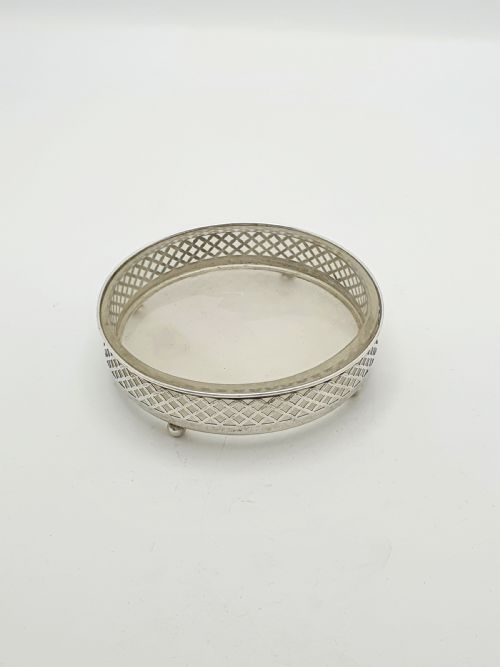
A 1920s sterling silver dish encompasses small trinket boxes, pierced bonbon dishes, butter dishes with glass liners, and large centrepiece bowls. Buyers seeking this phrase encounter items shaped by George V aesthetics alongside distinctive Art Deco geometry and earlier Art Nouveau curves.
The objects originate from English workshops in Birmingham and Sheffield, alongside American manufacturers and Belgian makers. Most pieces date precisely across the decade, from nineteen twenty up to nineteen twenty-nine, reflecting the interwar shift toward lighter domestic table settings.
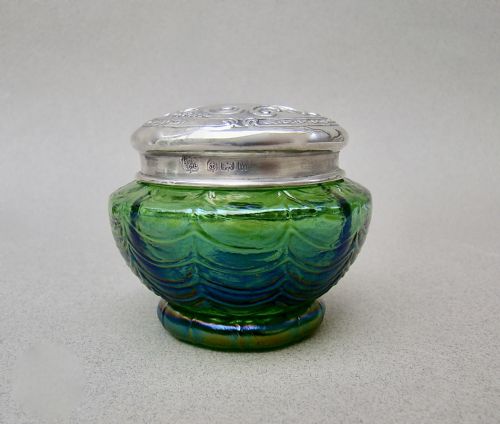
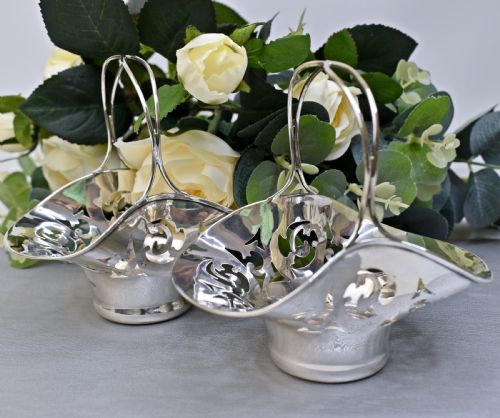
Vessels frequently combine sterling silver with contrasting materials such as cranberry glass, clear glass, guilloche enamel, and tortoiseshell. Footed bowls, lidded boxes, and handled baskets dominate the selection available on the market.
Materials and construction methods
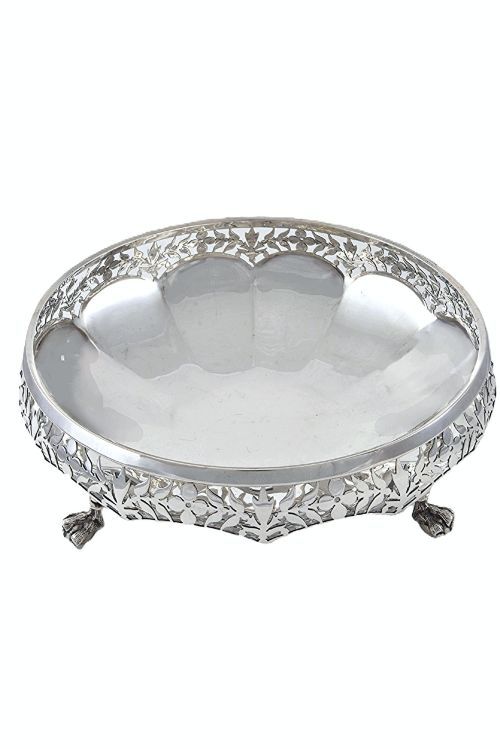
Silversmiths utilised solid sterling silver alongside plated elements, shaping metal through piercing, lattice work, and pedestal casting. Many dishes incorporate removable glass liners or fitted lids made from glass and tortoiseshell.
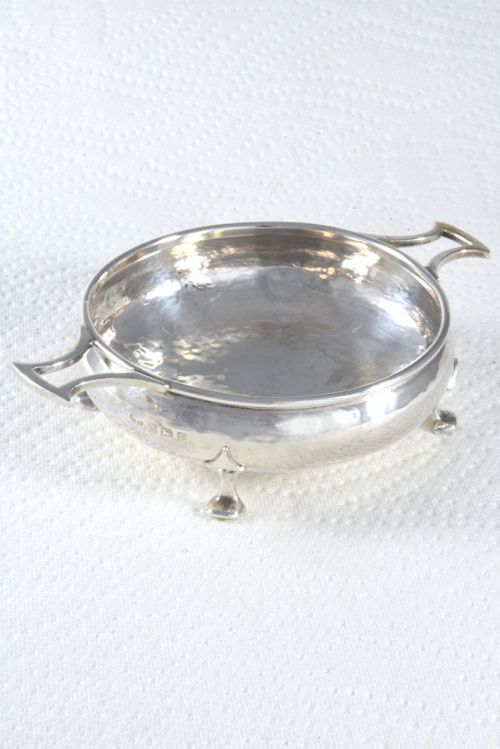
Enamelling techniques, particularly guilloche work, add coloured decoration to small boxes and trays. Makers applied hallmarks and town marks to verify the standard of the metal and the year of assay.
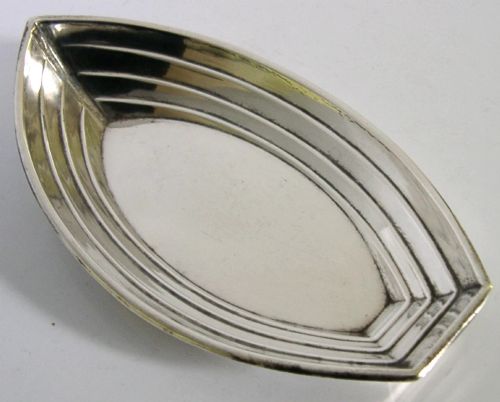
At least one maker turned a rowing boat into a sterling silver dish, proving that interwar silversmiths maintained a sense of humour.
Distinguishing quality across the range
The refinement of the piercing and the weight of the metal distinguish standard production from exceptional work. Pierced lattice details require precise hand-sawing and finishing, while cast feet and handles demand careful attachment.
The inclusion of undamaged contrasting materials like guilloche enamel, Kralik glass, or genuine tortoiseshell elevates a piece. Maker attribution to known firms like Walker & Hall or Fenton Brothers also influences the standing of an item.
A. J. Pepper & Co·Wallace·Fenton Brothers·Walker & Hall·Woodside Sterling Co.
The 1920s Sterling Silver Dish Glossary
- Sterling silver
- A silver alloy containing ninety-two point five percent pure silver by mass and seven point five percent other metals, usually copper. This standard ensures durability for functional tableware.
- Guilloche enamel
- A decorative technique where a precise pattern is mechanically engraved beneath a translucent layer of enamel. This creates a repeating geometric shimmer on small trays and boxes.
- Bonbon dish
- A small open vessel designed originally for holding sweets or confectionery. These often feature pierced lattice walls or raised circular feet.
- Hallmark
- An official stamp applied to precious metals indicating the standard of purity, the assay office, and the date letter. English pieces commonly display these marks near the rim or base.
- Tazza
- An Italian term for an ornamental cup or shallow bowl raised on a stem and foot. In this period, similar footed shapes function as comport bread baskets or fruit bowls.
1920s Sterling Silver Dish: Frequently Asked Questions
What is a 1920s sterling silver dish used for today?
These items serve primarily as decorative accents or functional tabletop accessories for holding small trinkets, pills, or butter. Their compact size makes them suitable for display on dressing tables or sideboards.
Larger pedestal and centrepiece bowls work well for holding fruit or standing alone as decorative objects. The presence of glass liners allows certain dishes to retain their original utility.
How can I tell a 1920s piece from other periods?
Assay office date letters provide the most reliable method for dating English silver to the nineteen twenties. Style indicators also help, as Art Deco geometric lines and interwar motifs frequently replace Victorian ornamentation.
American and continental items often rely on stamped maker marks and style characteristics to confirm the period. The presence of specific glass types like Kralik glass or guilloche enamel aligns closely with this era.
How do I care for sterling silver and glass dishes?
Regular dusting with a soft cloth keeps silver surfaces clean without causing abrasive wear. When polishing is necessary, use a dedicated silver cloth and avoid harsh chemical dips that damage enamel or tortoiseshell.
Removable glass liners can be washed separately in warm soapy water. Keep tortoiseshell and enamel components away from prolonged moisture and direct sunlight.
Did American makers approach these dishes differently than English silversmiths?
American manufacturers often produced distinct novelty forms, such as rowing boat dishes, alongside standard pierced butter dishes and comports. Firms like Wallace and Woodside Sterling Co. contributed to this transatlantic output.
English pieces are typically bound by strict assay office hallmarking systems, whereas American items rely on manufacturer stamps. Both traditions utilised similar combinations of pierced silver and glass liners.