




1920s Silver Ring
A 1920s silver ring brings the sharp geometry and crisp lines of early twentieth-century design straight to the hand.
1920s Silver Ring
When you search for a 1920s silver ring, you encounter pieces defined by the prevailing Art Deco movement, alongside classic Edwardian survivals and George V examples. These range from delicate sterling silver eternity bands with paste stones to substantial geometric clusters.
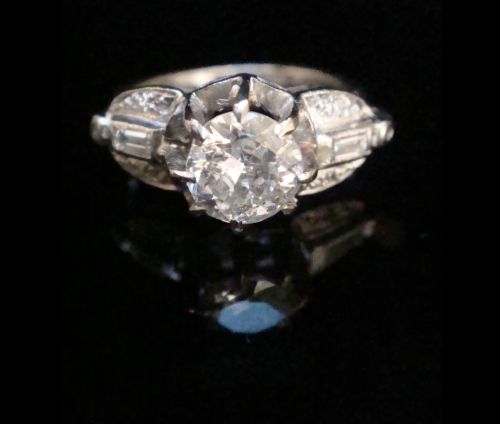
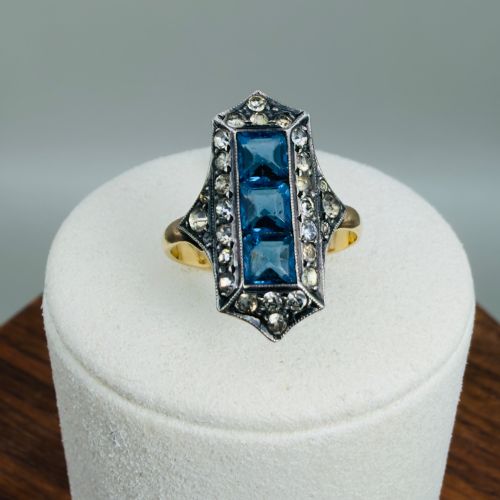
The version you are most likely to meet on this page combines sterling silver or platinum settings with diamonds, coloured glass, or paste stones arranged in symmetrical patterns. Many showcase the characteristic low-profile mounts and intricate millegrain work typical of the decade.
Beyond standard dress rings, the selection spans platinum wedding bands and specialised jewel forms from the era. Each piece captures the shift from ornate Edwardian motifs towards the clean, modern lines associated with the interwar years.
Materials and construction
Makers of the period relied heavily on sterling silver and platinum to form durable yet delicate mounts that could hold secure geometric stone arrangements. Platinum offered the strength needed for fine wirework and claw settings without adding excessive weight to the hand.
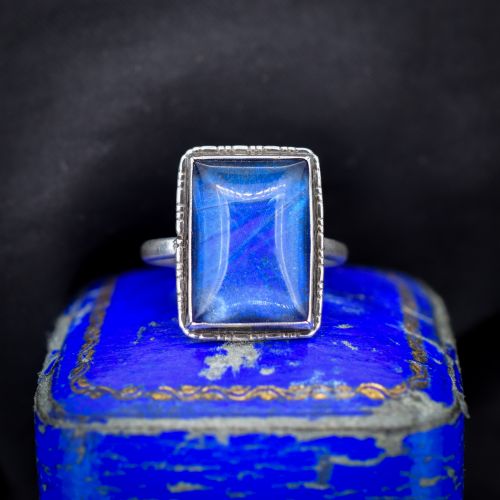
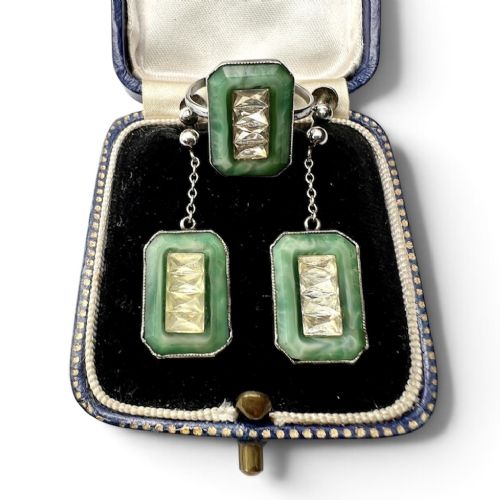
Stones such as diamonds, blue sapphires, and white paste were shaped into old cut, transitional, or old mine cuts to catch candlelight and gaslight. Artisans also integrated alternative materials like jade glass and butterfly wing panels behind clear glass to achieve striking colour contrasts.
1920s Silver Ring Retail Price Guide 2026
Typical asking prices for 1920s silver ring among the pieces listed under this phrase on Sellingantiques today, from the lower quarter to the upper quarter. They describe what is for sale here now, not the wider market.
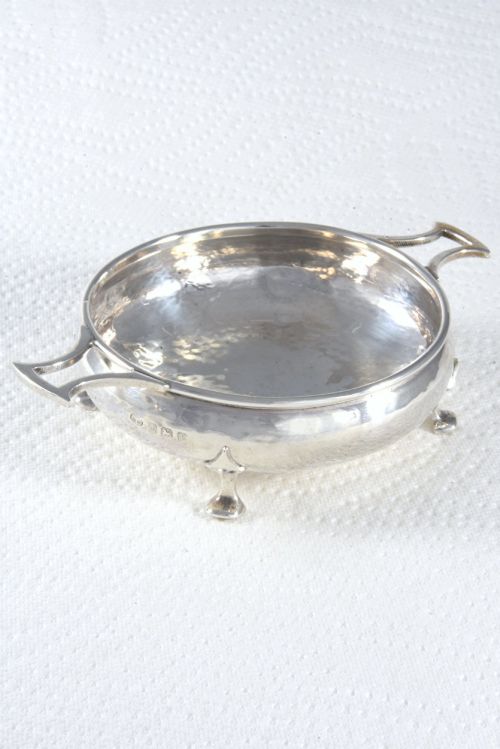
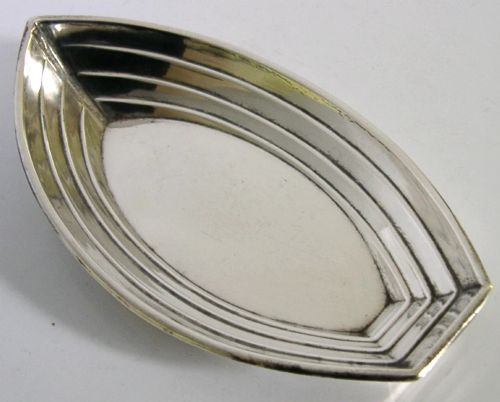
Amidst the fine jewellery, a novelty sterling silver rowing boat dish waits to ferry your imagination across the decades.
Assessing quality in period rings
The standard of a 1920s silver ring rests upon the crispness of its geometric metalwork and the precision with which the stones are set into the platinum or silver frame. Superior examples display even millegrain edges and secure bezel or claw settings that show no sign of clumsy rework.
Heavier gauge metal and thoughtful proportions separate finer artisan output from lighter mass-produced variants. A well-preserved piece retains the sharp angles and defined facets intended by the original jeweller, rather than softened contours from excessive wear.
David Andersen
The 1920s Silver Ring Glossary
- Art Deco
- A design style emerging in the 1920s characterised by symmetry, geometric motifs, and streamlined industrial influences. It replaced the flowing curves of the preceding Art Nouveau period with sharp angles.
- Platinum
- A dense, white precious metal utilised extensively during the period for high-end ring mountings. Its strength allowed jewellers to create delicate, lace-like settings that held diamonds securely.
- Paste
- Hand-cut glass used as a gemstone substitute in period jewellery to achieve high brilliance and deep colour. High-grade paste stones were meticulously faceted and foiled to mimic real gems.
- Millegrain
- A decorative technique involving a row of tiny raised metal beads along the edge of a setting. This adds a refined texture and softens the transition between metal and stone.
- Old Cut
- A diamond faceting style common in the early twentieth century featuring smaller tables and larger culets. These cuts produce a distinct, softer sparkle compared to modern brilliant cuts.
1920s Silver Ring: Frequently Asked Questions
What defines a 1920s silver ring?
A 1920s silver ring typically displays the geometric symmetry, clean lines, and stylized motifs characteristic of the Art Deco movement. These pieces often incorporate sterling silver or platinum settings designed to showcase diamonds, paste, or coloured glass.
Craftsmanship from this era focuses on low profiles and intricate metal detailing like millegrain edges. They represent a distinct shift away from the flowing floral designs of the Edwardian era towards modern abstraction.
How do I care for antique silver rings?
Caring for an antique silver ring requires gentle handling to preserve delicate prongs, millegrain work, and delicate stone settings. Avoid exposing them to harsh chemical dips, ultrasonic cleaners, or abrasive polishing cloths that can strip away original patination and damage softer glass or paste elements.
Store each piece individually in a fabric-lined box to prevent scratching against other jewellery. Regular inspection by a professional jeweller ensures that older claw settings remain secure and stable during wear.
Can I wear a 1920s ring daily?
Wearing a 1920s ring daily is entirely possible provided the piece is robust and has been checked for structural integrity. Platinum and sturdy sterling silver bands generally withstand regular use better than extremely delicate, fine-wired filigree designs.
It remains wise to remove antique jewellery during heavy manual tasks, gardening, or swimming to protect fragile stones and older metalwork. Mindful daily wear preserves the original integrity of the mountings and settings.
Were platinum and silver both used?
Platinum and sterling silver were both prominent choices for ring mounts during the 1920s, often serving different aesthetic and budget requirements. Platinum was favoured for high-end diamond pieces due to its exceptional strength and bright white finish.
Sterling silver provided an accessible alternative that allowed makers to produce intricate cocktail rings and paste clusters. Both metals offer a distinct period appearance that contrasts with the yellow gold popular in earlier decades.