
1920s Ring
When you handle a 1920s ring, you hold the sharp geometries and bright precious stones of a century ago.
1920s Ring
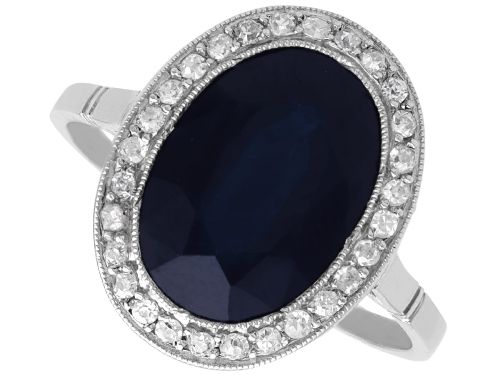
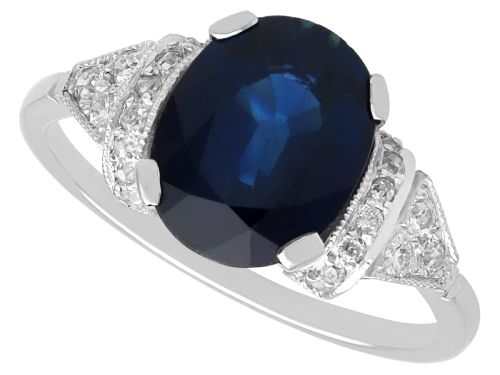
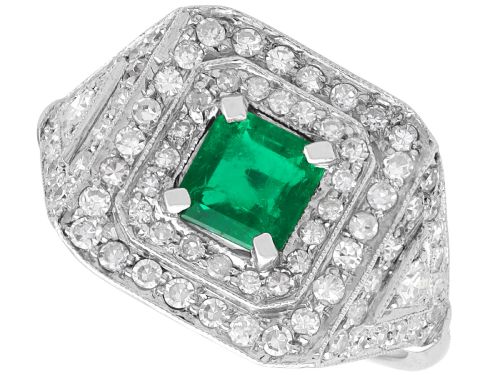
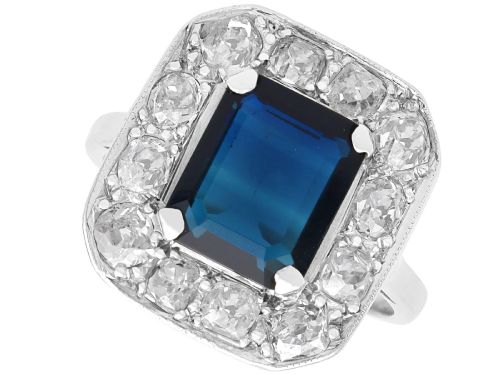
A 1920s ring encompasses the fine jewellery produced during a decade defined by distinct geometric ornament and streamlined silhouettes. The examples found here span delicate dress pieces to substantial engagement rings.
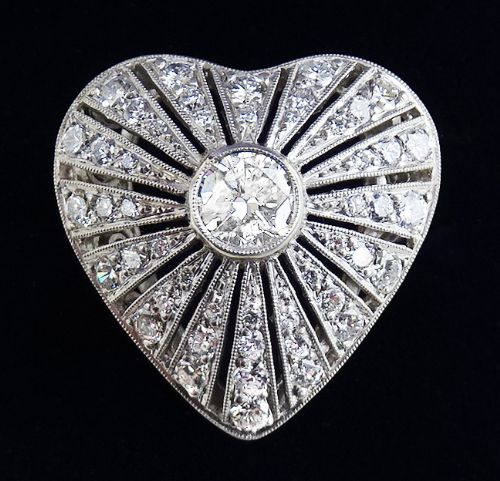
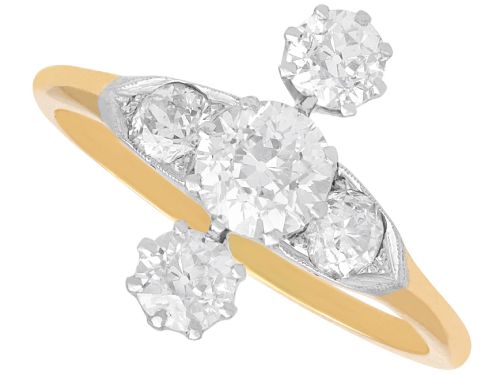
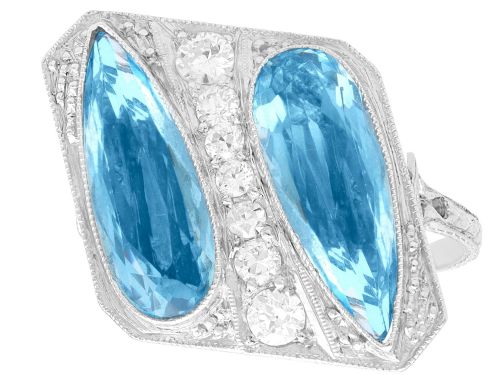
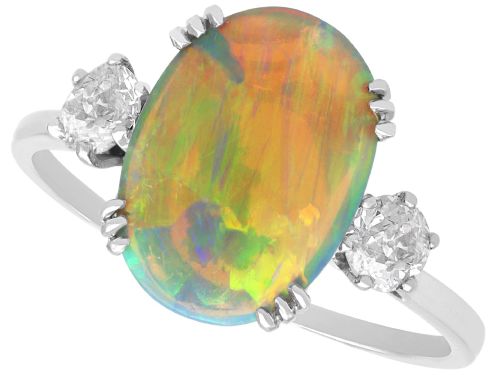
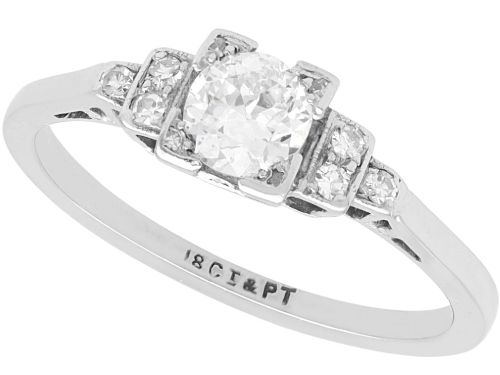
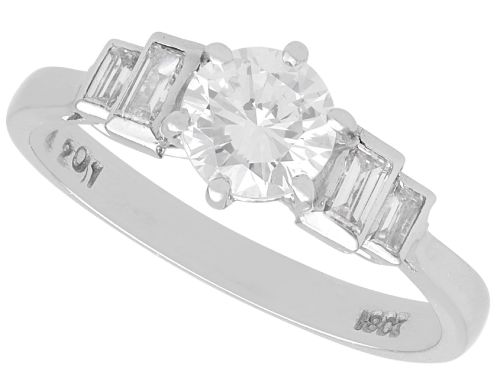
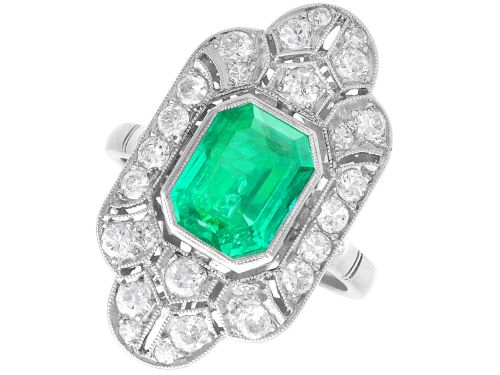
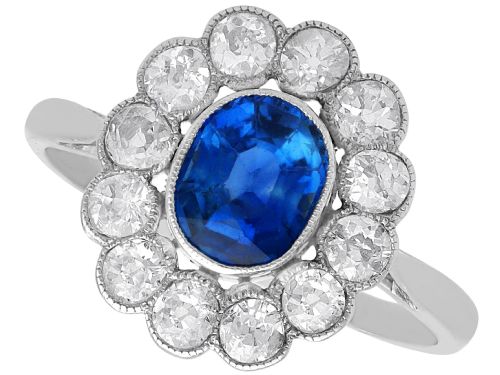
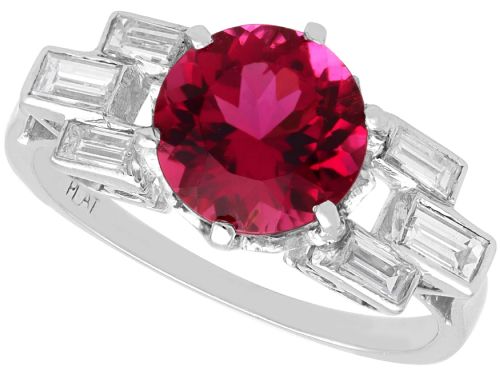
Platinum and white gold dominate the period, often framing central old-cut diamonds flanked by calibrated sapphires, emeralds or rubies. Yellow gold and rose gold also appear, carrying trilogy or solitaire configurations.
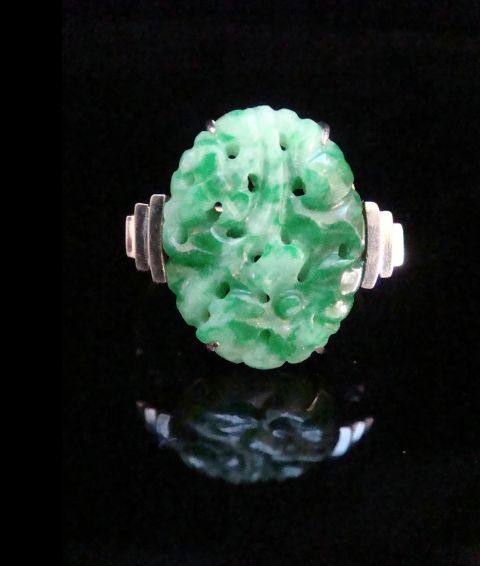
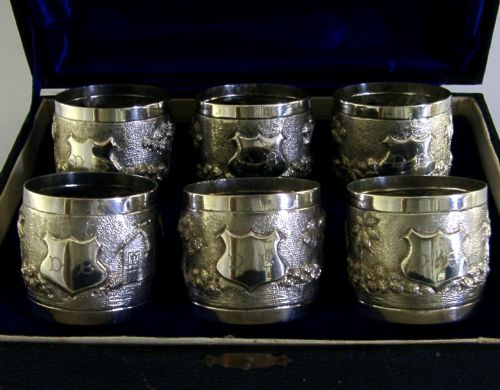
Art Deco styling prevails among the selections, though Edwardian survivals and early 1930s overlaps surface alongside Anglo-Indian silver work. The range includes cocktail rings, signet bands and cluster settings alongside traditional diamond solitaires.
How they were made
Goldsmiths of the era relied heavily on platinum for its strength, which allowed them to fashion delicate millegrain edges and knife-edge bands that securely held intricate stone arrangements without heavy metal bulk.
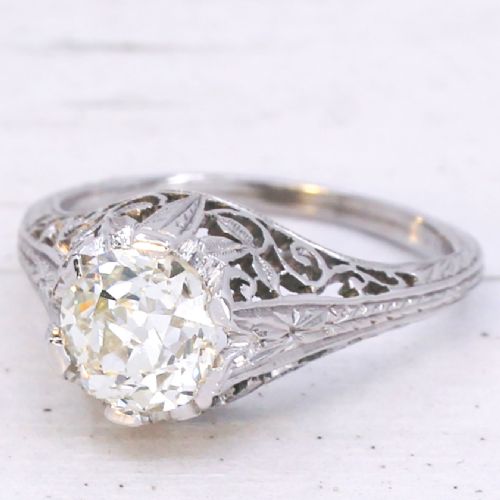
Diamonds were predominantly old European cut or old mine cut, exhibiting smaller tables and larger culets than modern stones, set alongside channel-set calibre cut coloured gems.
Construction techniques combined hand-pierced gallery work with precise bezel and prong settings, frequently integrating 18ct white gold or yellow gold shanks with platinum heads.
Period styles represented across the selection encompass Art Deco, Edwardian, George V and Anglo-Indian designs.
What varies in quality
The distinction between tiers rests upon the precision of the hand-carved piercing and the crispness of the millegrain beadwork along the metal edges. Superior pieces retain sharp geometric lines without softening from wear or clumsy past resizing.
Stone selection dictates the upper echelon, where centre diamonds display high clarity and lively old-cut faceting, matched with vibrant unheated or minimally treated sapphires, emeralds and rubies.
Understated craftsmanship shows in the structural integrity of the gallery and the seamless integration of secondary stones into the shoulders, ensuring the jewel looks as deliberate from the underside as it does from above.
Albert Edward Jones
The 1920s Ring Glossary
- Millegrain
- A decorative technique featuring a row of tiny raised metal beads along the edge of a setting, common in jewellery of this era. It softens the transition from metal to stone.
- Old European Cut
- A round diamond cut popular before modern brilliant faceting, characterised by a smaller table, higher crown and distinct open culet. These stones catch candlelight warmly.
- Calibre Cut
- Gemstones shaped specifically to fit a precise geometric channel or pattern within the mounting. They create unbroken lines of colour in complex geometric motifs.
- Trilogy Ring
- A ring featuring three main stones set in a row, traditionally representing the past, present and future. They frequently combine a central diamond with flanking sapphires or smaller diamonds.
- Culet
- The small flat facet at the very bottom of an old-cut gemstone where the pavilion facets meet. Looking down through the table reveals this characteristic tiny window.
1920s Ring: Frequently Asked Questions
How do I identify a genuine 1920s ring?
Examine the construction methods and metal choices, looking specifically for platinum settings paired with old-cut diamonds and hand-carved geometric gallery work. Maker's marks and assay stamps inside the shank also provide definitive dating clues.
Familiarise yourself with the characteristic proportions and fastening techniques of the era, which differ significantly from later mass-produced mid-century designs.
Can I wear a 1920s engagement ring daily?
Many of these pieces were built to withstand daily wear, particularly platinum and 18ct gold settings housing secure bezel or heavy prong arrangements. Gentle handling and routine checks by a jeweller keep the claws secure.
Consider the stone hardness when choosing a daily piece, as diamonds and sapphires endure routine use better than softer gems like opal or turquoise.
What is the difference between Art Deco and Edwardian rings?
Edwardian designs lean towards flowing garlands, soft lace-like platinum work and delicate floral motifs. Art Deco pieces introduce strict symmetry, sharp angles, and bold colour contrasts.
This page captures the transition, where late Edwardian softness gives way to the stark, architectural lines of the 1920s.
Are old-cut diamonds different from modern stones?
Old European and old mine cut diamonds feature hand-cut facets tailored under lamplight rather than the laser-guided symmetry of modern brilliant cuts. They produce a distinct, deeper pattern of light reflection.
This optical quality gives period rings their characteristic romantic and subtle sparkle indoors.