



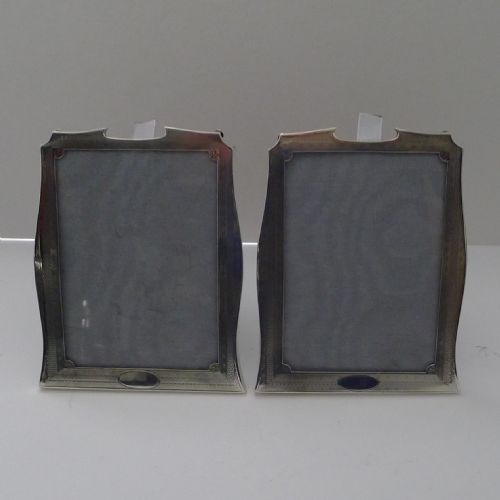
1920s Photo Frame
A 1920s photo frame brings period character to a desk or mantelpiece, holding family portraits and vintage art with distinct period style.
1920s Photo Frame
A 1920s photo frame encompasses picture frames, framed photographs, and framed artwork originating from the early twentieth century. Buyers seeking this phrase encounter solid silver, sterling silver, oak, gilded wood, and brass ringed examples that reflect the prevailing aesthetic of the decade.
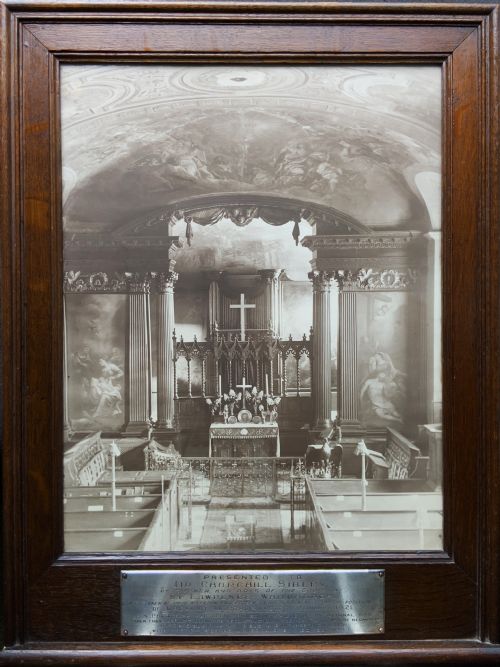
The selections span distinct stylistic movements, including Art Deco geometries, George V silver work, Edwardian maritime subjects, and ecclesiastical pieces. Picture frames and framed photography from this era frequently utilise easel backs for desktop display or original timber moulding for wall mounting.
How they were made
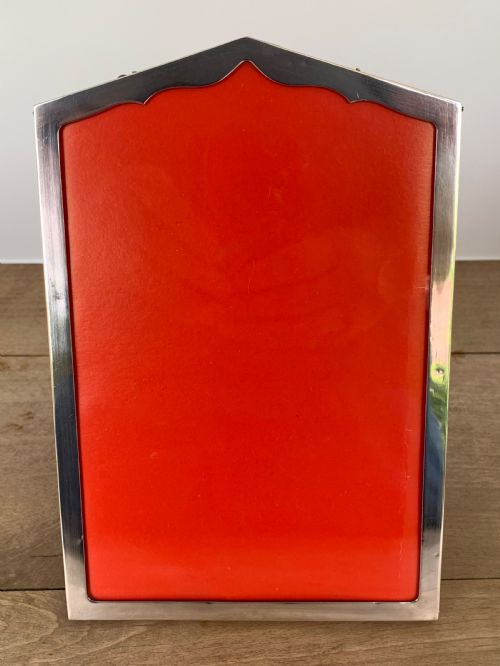
Makers constructed these frames using traditional metals like sterling silver, silver, and brass, often incorporating engine-turned surface patterns for decorative texture. Timber examples relied on sturdy construction using oak and gilded wood to house paper, card, and glass components.
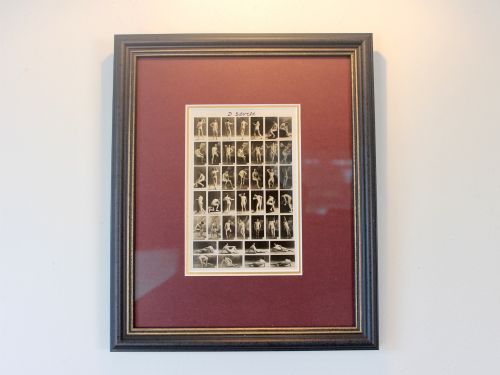
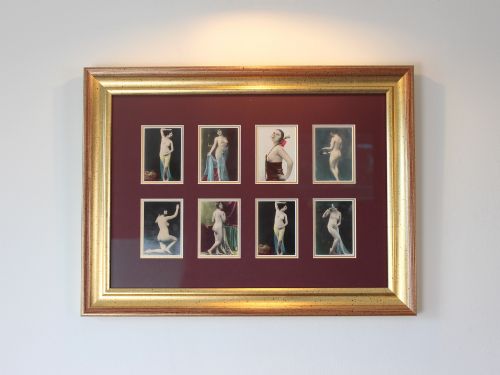
Workshops applied specialist techniques such as hand tinting for photographic prints and precision metal stamping for silver hallmarks. The integration of glass protected fragile paper ephemera and photographic contact sheets from environmental damage.
Recorded styles span Art Deco, George V, Edwardian maritime, and ecclesiastical designs.
What varies in quality
Quality in these objects rests upon the crispness of engine-turning, the integrity of structural joins in silver and timber, and the originality of the glass and backing boards. Pieces bearing clear assay office hallmarks and maker marks demonstrate superior craftsmanship.
The sophistication of the design dictates the overall standard, distinguishing mass-produced items from finer studio output. Well-preserved surfaces retain their original finish without excessive polishing wear.
Julian Mandel·Deakin & Francis
The 1920s Photo Frame Glossary
- Engine-turned
- A decorative technique involving intricate geometric patterns mechanically engraved into a metal surface. This finish adds tactile depth to silver frames.
- Sterling silver
- A silver alloy containing ninety-two point five percent pure silver by mass, valued for durability and lustre. It appears frequently in British picture frames of this period.
- Easel back
- A hinged support strut attached to the reverse of a frame for upright desktop placement. It allows the object to stand unsupported.
- Contact sheet
- A photographic print made by placing negatives directly in contact with photographic paper. These items provide a direct record from the photographer's archive.
1920s Photo Frame: Frequently Asked Questions
How do I date a 1920s photo frame?
Silver frames often carry hallmark stamps indicating the year of assay and the maker's mark. Stylistic indicators like Art Deco geometry also help confirm the manufacturing decade.
Comparison with documented examples from similar workshops provides further confirmation of the production period.
Can I polish a silver photo frame?
Silver frames benefit from gentle cleaning with a specialised microfibre cloth and mild silver polish to remove tarnish. Avoid abrasive cleaners that might damage engraved details.
Preserving the original patina is often preferred by collectors over achieving a mirror-bright finish.
Are these frames suitable for modern photographs?
Most standard modern prints fit inside these frames provided the aperture dimensions match your photograph. You may need to trim the edges of contemporary paper to fit vintage mounts.
Ensure the internal glass and backing board secure the modern image without applying excessive pressure.
What materials were commonly used?
Makers utilised sterling silver, solid silver, brass, oak, and gilded wood alongside protective glass panes. Paper and card frequently formed the backing materials and mount boards.
Combinations of metal mounts and timber carcasses are characteristic of the era's diverse output.