



1920s Lalique Glass Plate
A 1920s lalique glass plate brings French Art Deco mastery to the table, offering tactile opalescence and striking moulded forms.
1920s Lalique Glass Plate
A 1920s lalique glass plate represents the height of French decorative arts during the Art Deco period. Buyers searching this phrase seek out distinctive moulded glassware featuring naturalistic and mythological motifs designed by René Lalique.
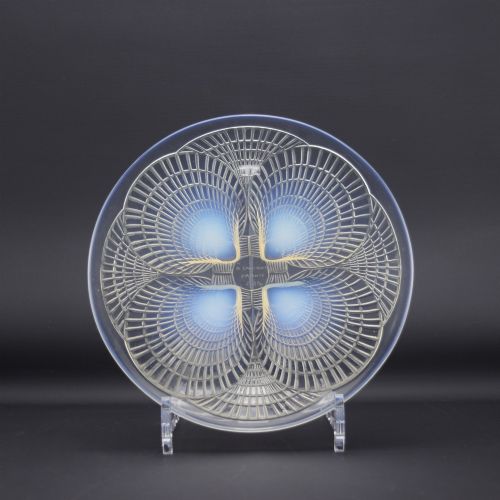
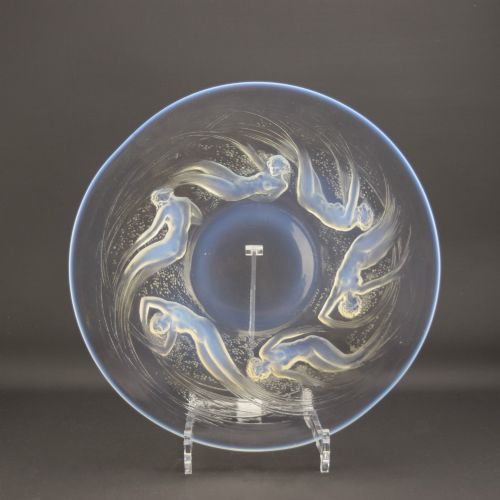
The versions most frequently met on this page include iconic patterned forms such as the Ondines, Coquilles, Chasse Chiens, Sirène, and Poissons designs. These pieces function as both decorative dishes and statement tableware.
Originating from the early decades of the twentieth century, these objects bridge the gap between functional dining ware and sculptural art. Each piece reflects the characteristic aesthetic choices of 1920 and 1930 production.
How they were made
Makers utilised moulded glass techniques to create high-relief surface designs that capture and refract light. The process relied on precise glass-pressing methods to achieve deep contours and complex pictorial scenes.
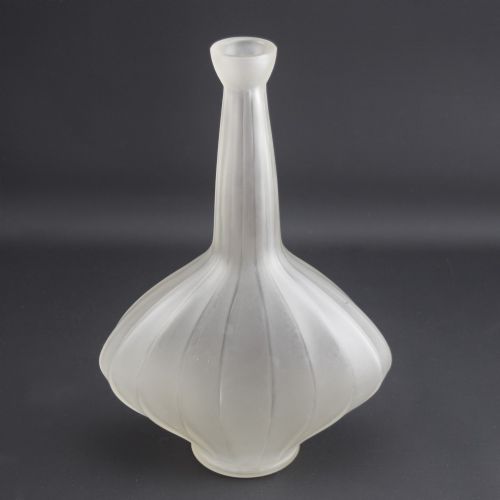
Opalescent glass and frosted glass provide the characteristic milky, glowing quality that shifts in tone depending on the angle of illumination. Selected examples incorporate sepia stain to accentuate the intricate details of the relief work.
1920s Lalique Glass Plate Retail Price Guide 2026
Typical asking prices for 1920s lalique glass plate among the pieces listed under this phrase on Sellingantiques today, from the lower quarter to the upper quarter. They describe what is for sale here now, not the wider market.
René Lalique originally started his artistic career designing delicate jewellery before shifting his genius entirely toward the magical transformation of molten glass.
What varies in quality
The clarity and intensity of the opalescent effect define the visual impact of each individual piece. Stronger milkiness and vibrant blue or amber fire within the glass elevate the artistic success of the moulding.
Depth of relief and crispness in the depiction of figures, shells, or fish dictate the standard of execution. Finer examples maintain sharp delineation in the high-relief motifs without losing the tactile smoothness of the surface.
Rene Lalique
The 1920s Lalique Glass Plate Glossary
- Opalescent glass
- Glass that displays a milky, translucent quality with shifting tones of blue and orange when lit. This optical effect is achieved by adding specific chemical agents to the molten batch during production.
- Frosted glass
- Glass treated to create a textured, matte surface finish rather than a clear transparent look. This technique diffuses light softly across the moulded relief.
- Moulded glass
- Glass shaped by pressing molten material into a metal or iron mould to impart a specific pattern. It allows for consistent production of complex three-dimensional designs.
- Sepia stain
- A brownish pigment applied by hand into the recessed areas of the glass to heighten contrast and define the moulded subject. The pigment is subsequently fired to bond with the surface.
1920s Lalique Glass Plate: Frequently Asked Questions
What periods do these plates come from?
These glass plates originate from the 1920 and 1930 periods, squarely within the Art Deco era. The manufacturing techniques and stylistic motifs reflect French design philosophies of the early twentieth century.
Production during these decades established the definitive aesthetic standards associated with the maker's output. Collectors find pieces dated closely to the years immediately following the First World War.
How were these decorative plates used?
While often termed plates or coupes, many of these glass objects served as decorative salvers and display dishes. Their intricate moulded designs made them centerpieces for fashionable dining rooms rather than everyday tableware.
Owners typically showcased them on sideboards or dining tables where natural or interior light could activate the opalescent qualities of the material.
What is the difference between Coquilles and Ondines plates?
Coquilles plates feature a repeating motif of overlapping scallop shells arranged in a radiating circular pattern. This design relies heavily on the tactile depth of the moulded glass rim.
Ondines plates display mythological female figures submerged in water, surrounded by swirling aquatic forms. This pattern requires a more pictorial approach to the relief surface.
How do you care for vintage opalescent glass?
Maintenance requires gentle hand washing with lukewarm water and a mild detergent. Avoid abrasive sponges or harsh chemicals that can damage the delicate frosted surfaces and sepia stains.
Store the pieces securely on stable flat surfaces away from direct edges to prevent accidental impacts. Careful handling preserves the historical finish of the glass.