



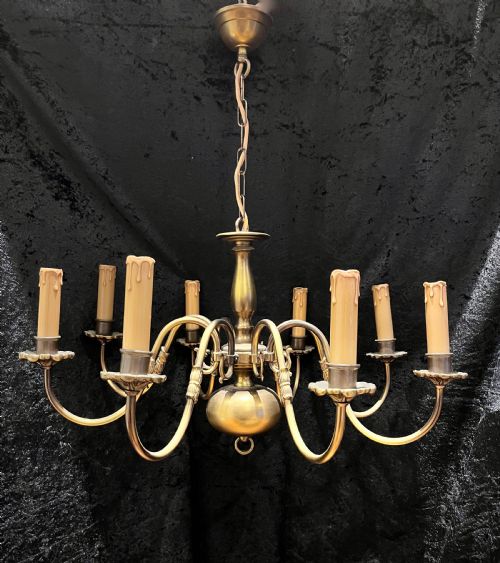


1920s Hanging Lamp
A 1920s hanging lamp brings period character and decorative illumination to an interior.
1920s Hanging Lamp
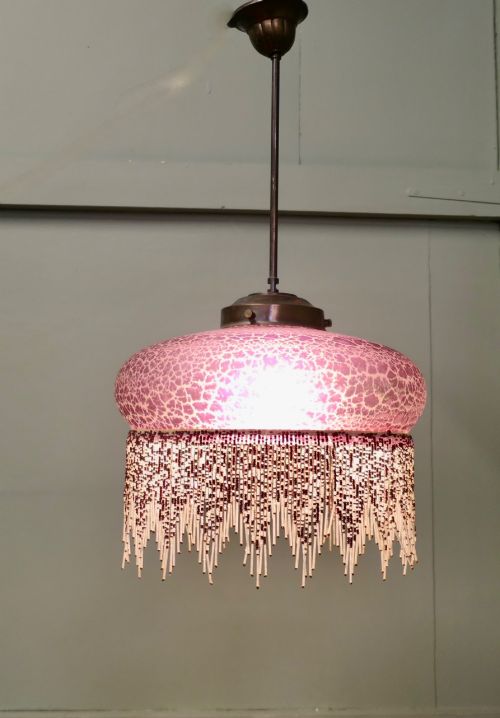
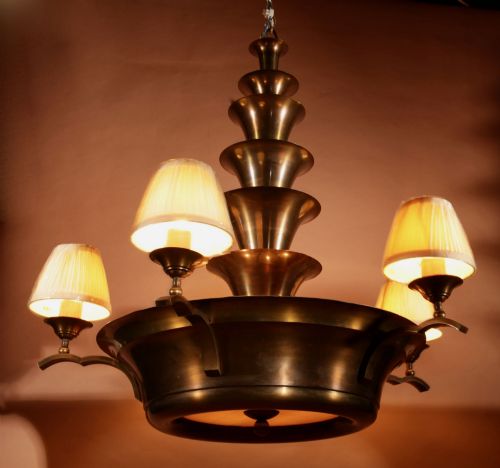
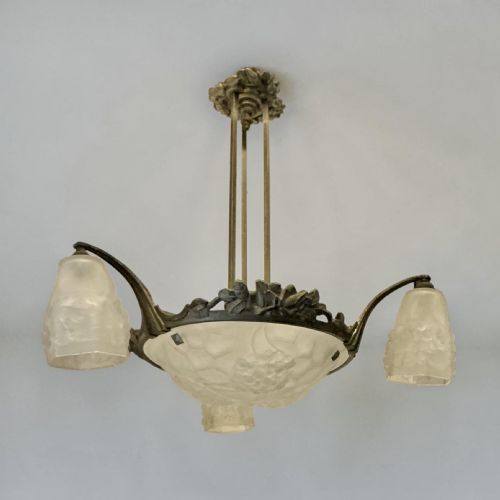
When you search for a 1920s hanging lamp, you enter a field defined by pendant lights, chandeliers, and ceiling lights originating from the 1920 and 1930 periods. These pieces serve to light a room while carrying distinct historical styles such as Art Deco and French Chateau.
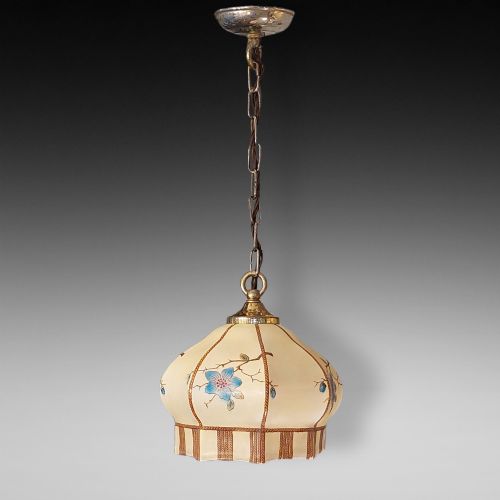
You are most likely to meet pendant lights and chandeliers executed in brass, glass, and copper across this selection. Forms range from single-shade fixtures to multi-branch chandeliers with cast acanthus leaf mounts.
The aesthetic stretches from industrial enamel light fittings to neo-classical revival and Moroccan revival lanterns. Each object type reflects the diverse lighting requirements of interwar domestic spaces.
Materials and construction
Makers utilised metals such as brass, bronze, copper, and nickel-plated metal to form the structural bodies and mounts of these lamps. Cast iron and blacksmith methods also appear in heavier hall lanterns.
Glass forms a primary component, seen through frosted glass, crystal, mercury glass, and hand-painted shades. Alabaster and enamel appear alongside mirrored glass surfaces to diffuse and reflect light.
1920s Hanging Lamp Retail Price Guide 2026
Typical asking prices for 1920s hanging lamp among the pieces listed under this phrase on Sellingantiques today, from the lower quarter to the upper quarter. They describe what is for sale here now, not the wider market.
Listings feature brass, copper, bronze, and mercury glass across pendant lights, chandeliers, and ceiling lights from the 1920 and 1930 periods.
Assessing quality and execution
The distinction between standard and superior pieces rests on the complexity of metalwork and the clarity of glass components. Hand-painted details and cast mounts like acanthus leaves elevate the decorative impact.
Scale and branching structure also dictate distinction, moving from simple single pendants to multi-light chandeliers and ballroom crystal fixtures with numerous light points.
Degué·Émile-Jacques Ruhlmann
The 1920s Hanging Lamp Glossary
- Pendant light
- A single light fixture suspended from the ceiling by a cord, chain, or metal rod. These fixtures typically direct illumination downward into a specific zone of a room.
- Mercury glass
- Double-walled glass blown with a silvering agent trapped between the layers to create a mirrored surface. This technique produces a reflective, silvery sheen popular in interwar lighting.
- Acanthus leaf
- A classical ornament based on the Mediterranean plant, used here in cast metal mounts. It provides a decorative scroll motif on the arms and junctions of chandeliers.
- Alabaster
- A fine-grained, translucent stone carved into bowls and shades for ceiling lights. It diffuses light evenly across an interior while offering a smooth, matte surface.
1920s Hanging Lamp: Frequently Asked Questions
What styles define a 1920s hanging lamp?
The selection includes Art Deco, French Chateau, Moroccan revival, neo-classical revival, industrial, and Dutch Baroque revival styles. Each style utilises specific decorative motifs appropriate to the interwar period.
Art Deco examples often feature geometric glass shades and clean metal lines, whereas revival styles draw on historical ornamentation such as cast foliage mounts.
What materials were used in these lights?
Fixtures combine metal structures with glass diffusers or crystal drops. Common structural metals include brass, bronze, copper, and nickel-plated metal.
Shades and bowls utilise frosted glass, mercury glass, hand-painted glass, enamel, and alabaster to control and soften the light output.
How do I choose between a pendant and a chandelier?
Pendants suit smaller spaces or specific task areas, typically featuring a single shade or mirrored glass globe suspended from the ceiling. They offer focused illumination.
Chandeliers provide multi-branch lighting for larger rooms, incorporating several arms, crystal drops, or numerous light points to illuminate wider spaces.
Where were these lamps originally placed?
These ceiling lights and hall lanterns served various domestic and public interiors during the 1920 and 1930 periods. Ballroom crystal fixtures illuminated large reception spaces, while industrial enamel fittings suited utilitarian rooms.
Smaller pendants and lanterns functioned as primary illumination in hallways, living rooms, and dining areas.