





1920s French Glassware
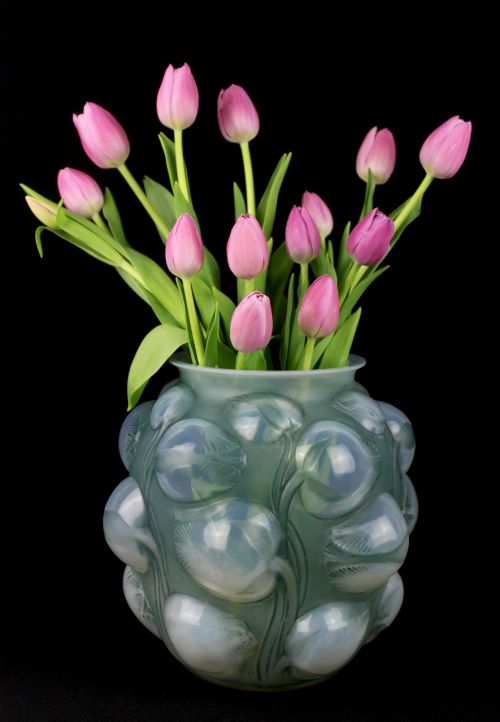
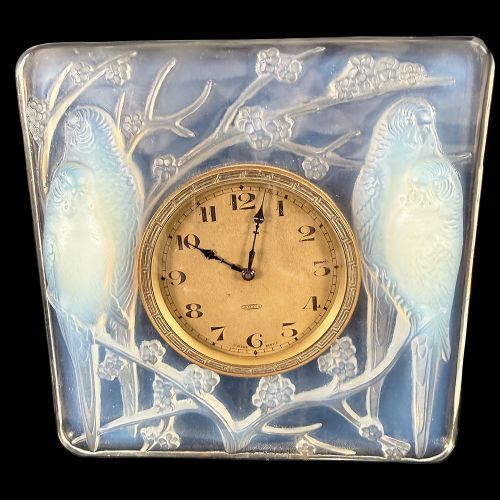
These 1920s French glassware pieces capture the bold geometry of Art Deco through luminous opalescent surfaces and striking coloured cameo glass.
1920s French Glassware
When you search for 1920s french glassware, you encounter decorative vessels and table objects defined by the distinct stylistic shifts of the period. The selection on this page is dominated by Art Deco forms produced during the 1920 and 1930 periods.
Vases, decorative bowls, and plates form the core of what is available. These objects display both functional utility and sculptural presence.
The aesthetic bridges late Art Nouveau curves and the rigorous geometry that defined the interwar years in France. Collectors find significant variation in scale, from small ashtrays to large display bowls.
How they were made
Makers utilised moulded and pressed techniques to achieve high relief and sculptural depth across glass surfaces. Opalescent glass required precise chemical manipulation during cooling to scatter light into bluish and amber tones.
Cameo glass involved layering different colours of glass and acid-etching away the outer layers to reveal intricate botanical and animal motifs. Metal mounts, such as wrought iron, were frequently combined with glass bodies.
1920s French Glassware Retail Price Guide 2026
Typical asking prices for 1920s french glassware among the pieces listed under this phrase on Sellingantiques today, from the lower quarter to the upper quarter. They describe what is for sale here now, not the wider market.
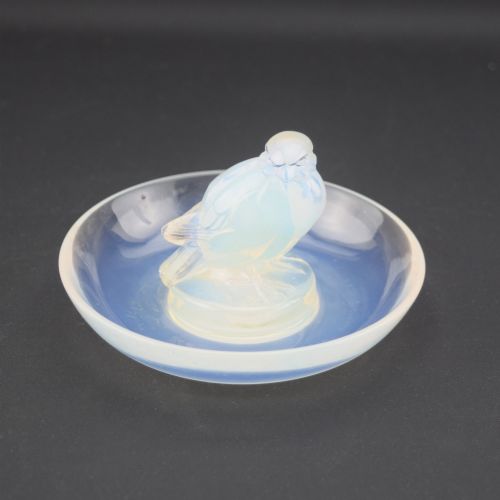
A solitary glass ashtray immortalises a tiny sparrow in moulded opalescent relief, proving art existed in the smallest habits.
What varies in quality
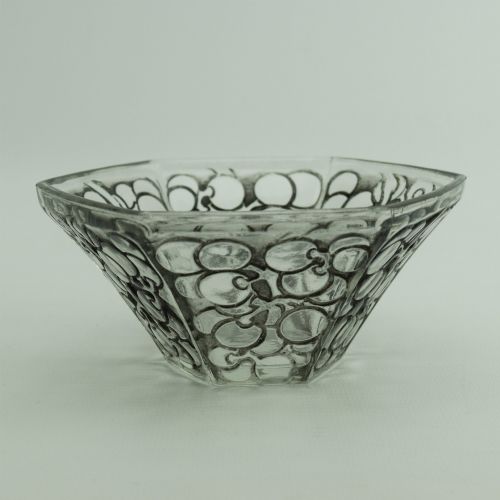
The definition of the mould impression dictates the crispness of the design, separating standard production from finer examples. Deep relief work and retained blue or dark staining enhance the visual contrast of opalescent surfaces.
The integration of mixed materials, such as wrought iron frames on vases, relies on the precision of the metalwork. Purity of colour saturation in layered cameo glass alters the depth of the finished piece.
Rene Lalique·Schneider·Le Verre Francais·Paul Nicholas for D'Argental
The 1920s French Glassware Glossary
- Opalescent glass
- Glass that milky-white appearance which scatters blue light in illumination and amber tones against transmitted light. It creates a luminous, shifting quality across moulded relief.
- Cameo glass
- Vessels created by fusing multiple layers of coloured glass and carving or acid-etching the exterior layer to expose contrasting colours underneath. This technique produces detailed pictorial scenes.
- Pressed glass
- Molten glass shaped by being pressed into a metal mould with a matching plunger. This method allowed for consistent production of patterned bowls and plates.
- Art Deco
- The dominant design style of the interwar period characterised by stylised symmetry, geometric abstraction, and bold relief motifs. It succeeded the flowing organic lines of Art Nouveau.
1920s French Glassware: Frequently Asked Questions
What is opalescent glass?
Opalescent glass contains chemical agents that cause it to appear milky-white in reflected light while showing warm amber tones when held to the light. This dual coloration gives moulded motifs significant visual depth.
It is characteristic of many decorative pieces produced during the interwar period.
How do I clean these glass pieces?
Dust gently with a soft dry cloth to protect the surface finish and any stained details. Avoid harsh chemical cleaners that can degrade frosted or stained finishes.
Submerging antique glass in water requires care, particularly when metal mounts are attached.
Are these items marked?
Many production pieces carry moulded or engraved signatures identifying the maker or studio. Signatures often appear on the base or near the lower rim of the vessel.
Placement and style of signatures varied according to the manufacturing technique used.
What is cameo glass?
Cameo glass is formed by fusing layers of different coloured glass together before carving or acid-etching the design. This reveals the contrasting background colour beneath the motifs.
It requires skilled handwork to achieve precise tonal separation.