





1920s Emerald Jewellery
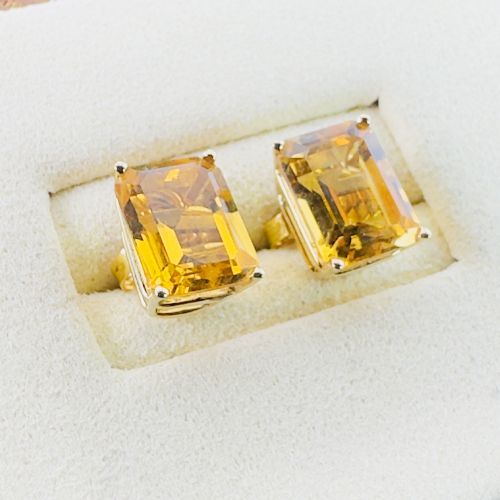
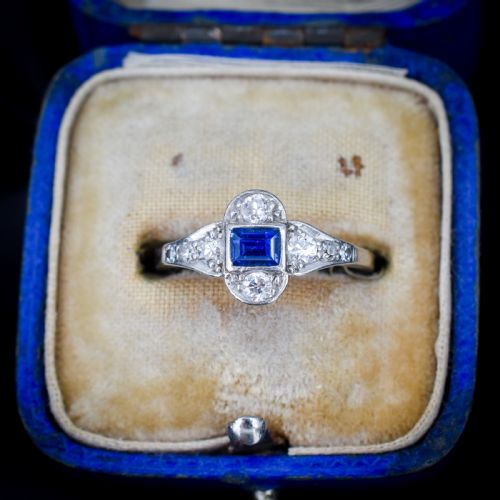
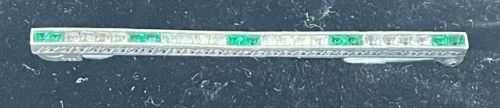
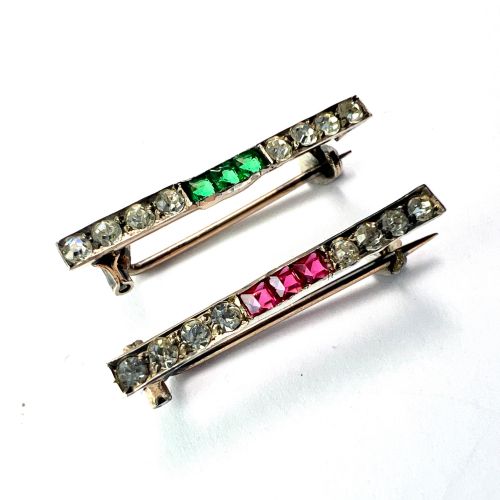
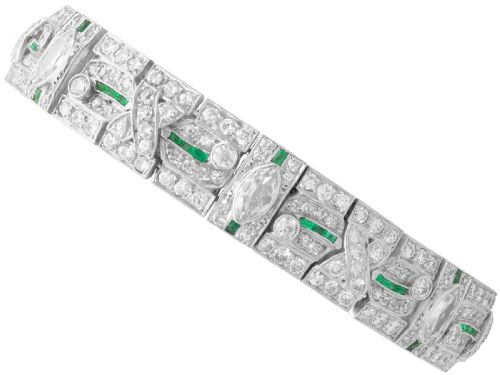
These pieces of 1920s emerald jewellery combine geometric lines with vibrant green stones, capturing the distinct aesthetic of the Art Deco period.
1920s Emerald Jewellery
When searching for 1920s emerald jewellery, buyers encounter rings, bracelets, brooches, and pendants defined by the predominant Art Deco style of the era. Platinum and white gold serve as common mountings, paired frequently with contrasting diamonds and coloured gems.
The objects span periods from 1920 to 1940, with cluster rings, diamond-set bracelets, and pendant necklaces appearing most often. Green beryl varieties mingle with sapphires, aquamarines, and pastes, reflecting the diverse material palette of the period.
Materials and construction
Craftsmen utilised platinum alongside 18ct white and yellow gold to set emeralds alongside brilliant-cut and baguette diamonds. Metalworking techniques focused on linear mountings, millegrain edges, and pave settings that maximised the play of light around the central green stones.
Precious metals paired with natural emeralds, pearls, and contrasting gems such as onyx, spinel, and coral. Artisans structured brooches, multi-stone rings, and articulated bracelets to highlight geometric symmetry and textural contrast.
Past artisans matched genuine emeralds with paste replicas in single brooches, proving that even in the 1920s, everyone loved a clever illusion.
Gradations in craftsmanship and materials
The standard of execution depends on the precision of the stone-setting and the clarity of the primary emeralds. Superior examples display balanced proportions between the central green gems and surrounding diamond pavé work.
Material composition shifts between platinum with natural Colombian emeralds and lower-karat gold settings incorporating paste stones or alternative gems. Superior pieces demonstrate meticulous metalwork, secure prong or bezel settings, and well-matched accent stones.
The 1920s Emerald Jewellery Glossary
- Art Deco
- A design style dominant in the 1920s and 1930s characterised by geometric shapes, streamlined forms, and stark symmetry. It heavily influenced jewellery settings and mountings of the period.
- Platinum
- A dense, durable precious metal utilised extensively during the 1920s for fine jewellery settings. Its strength allowed jewellers to create delicate wirework and secure claw settings for diamonds and emeralds.
- Pavé
- A setting technique where small gemstones are set closely together with minimal visible metal. This creates a continuous surface resembling a pavement of jewels.
- Millegrain
- A decorative jewellery technique featuring a border of tiny raised metal beads along the edges of a setting. It adds a refined textural finish typical of antique pieces.
- Cluster ring
- A ring design featuring a central gemstone surrounded by a border of smaller stones, usually diamonds. This arrangement enhances the visual impact of the primary gem.
1920s Emerald Jewellery: Frequently Asked Questions
How do I care for antique emerald jewellery?
Emeralds are relatively soft and contain natural inclusions, requiring gentle cleaning with a soft cloth rather than ultrasonic baths or harsh chemicals. Store pieces individually to prevent scratching from harder gems like diamonds.
Protect the platinum or gold settings by avoiding impacts during wear. Periodic checks by a jeweller ensure the prongs holding the emeralds remain secure.
What metal is most common in 1920s jewellery?
Platinum dominated fine jewellery production during the 1920s due to its strength and bright white finish. This metal allowed artisans to fashion intricate, lightweight mountings.
White gold and yellow gold also appeared frequently in rings and brooches. The choice of metal often reflects the specific workshop traditions and the date of manufacture.
How are Art Deco emerald rings identified?
Art Deco emerald rings feature geometric motifs, step-cut stones, and symmetrical arrangements of accent diamonds. Platinum or white gold mountings with millegrain detailing point directly to this era.
Cluster designs and straight-line settings differentiate these items from Victorian or Edwardian predecessors. The presence of calibré-cut stones or baguette diamonds further confirms the period style.
Are these emeralds treated or natural?
Many period pieces incorporate natural emeralds, some accompanied by documentation noting minor oil treatments. Evaluators examine internal inclusions to determine the origin and treatment history of each stone.
Natural Colombian stones appear alongside alternative green gemstones and paste substitutes in the broader marketplace. Each piece requires individual assessment to verify the exact nature of the green gems.