




1920s Desk Timepiece
These 1920s desk timepiece pieces combine period horology with Art Deco design, offering compact timekeeping for collectors.
1920s Desk Timepiece
A 1920s desk timepiece provides a compact method of tracking hours upon a surface, drawing on the prominent design movements of the early twentieth century. When searching for a 1920s desk timepiece, you encounter compact instruments shaped by the Art Deco aesthetic.
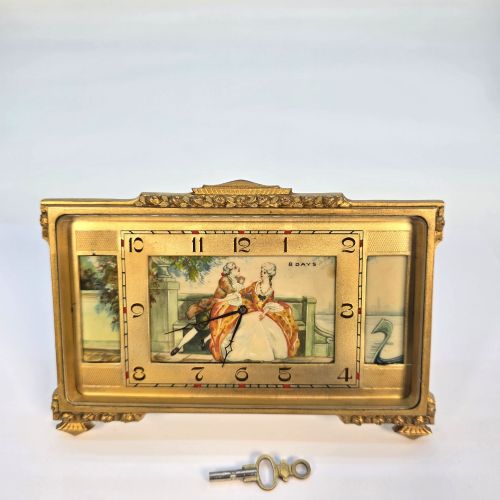
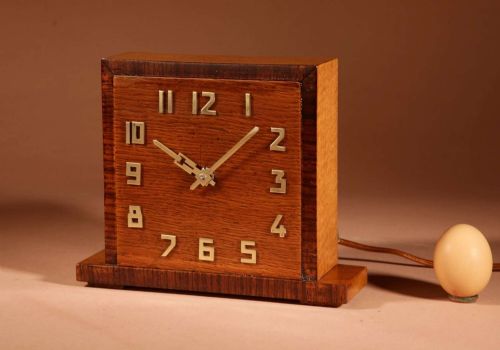
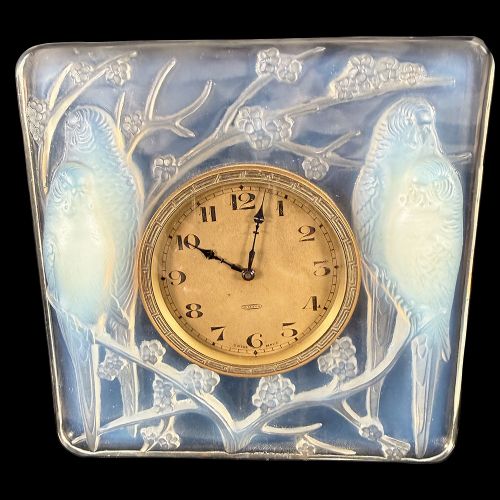
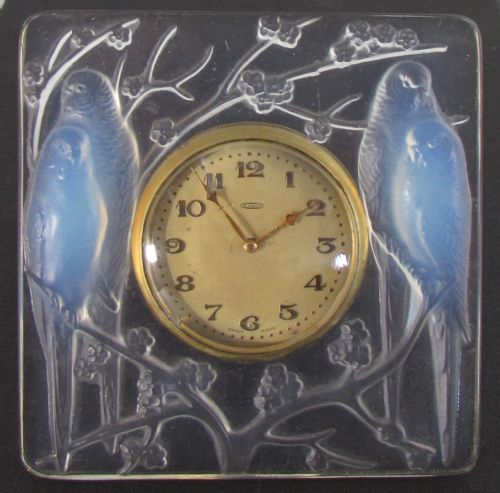
The selection ranges from French brass and marble productions to glass models by Lalique featuring birds such as love birds and parakeets. Oak, rosewood, silver case travelling designs, and guilloche enamel miniature pieces also appear.
These objects served practical daily functions in domestic or professional settings while displaying the modernist geometry and material experimentation characteristic of the period.
How they were made
Maker workshops utilised cast metals, ormolu, bronze, and spelter alongside heavy stones like marble and onyx to form stable bodies for these compact clocks. Glass moulding techniques allowed artists to create opalescent panels depicting detailed animal subjects.
Enamelling added vibrant colour to miniature metal cases, while hallmarked silver provided protective folding enclosures for portable travelling variants. Wooden elements such as oak and rosewood were shaped into rectilinear Art Deco architectural housings.
Listings feature materials including brass, glass, opalescent glass, enamel, marble, spelter, metal, and onyx within the Art Deco style.
What varies in quality
The standard of a 1920s desk timepiece rests upon the execution of its decorative medium, whether that involves crisply cast bronze ormolu or finely pressed opalescent glass. Superior examples exhibit distinct detailing on figural motifs and dials.
Material selection divides standard utilitarian pieces from luxury artistic productions, particularly where precious metals, hallmarked silver, or named glassworks are involved. The integrity of the housing materials dictates the lasting character of the object.
R Lalique·Rene Lalique·René Jules Lalique
The 1920s Desk Timepiece Glossary
- Art Deco
- A design style of the 1920s and 1930s characterised by sleek geometric shapes and stylised motifs. It dominates the aesthetic of these timepieces.
- Guilloche enamel
- A decorative technique involving precise engine-turned patterns beneath a translucent coloured enamel coating. This finish appears on miniature timepieces.
- Ormolu
- Gilded bronze used for decorative mounts and clock cases. It provides a rich golden appearance on French pieces.
- Opalescent glass
- Glass that displays a milky or iridescent appearance, scattering light to reveal subtle colour shifts. This material defines notable figural clock designs.
1920s Desk Timepiece: Frequently Asked Questions
What is a 1920s desk timepiece?
A 1920s desk timepiece is a small clock designed for placement on a flat surface during the early twentieth century. These objects frequently incorporate Art Deco styling, combining functional timekeeping with decorative materials.
They reflect the prevalent artistic movements and manufacturing techniques of the period, ranging from metal and stone cases to moulded glass sculptures.
How were these clocks used?
These timepieces served as functional desk or mantel accessories in homes and offices, allowing individuals to check the time throughout the day. Folding silver versions were also created for travel.
Beyond simple utility, they functioned as prominent decorative items that showcased the owner's taste in modern design.
What materials are common?
Common materials include brass, bronze, marble, onyx, and spelter, alongside wood varieties like oak and rosewood. Enamel and hallmarked silver also appear in specific designs.
Opalescent glass serves as a notable medium for sculptural clock bodies produced by prominent glass artists of the era.
How do I identify the style?
Identification relies on recognising characteristic Art Deco geometry, streamlined forms, and period material combinations. Stylised animal motifs and moulded glass panels are strong indicators.
Signatures or hallmarks on the metal cases and glass elements further assist in confirming the origin and period of production.