



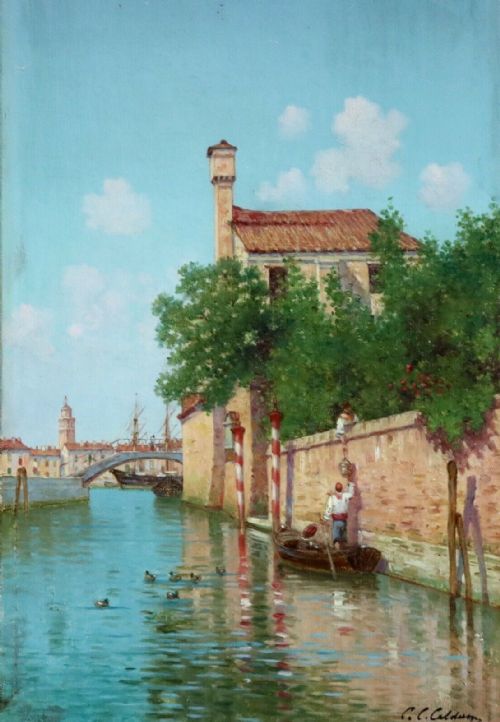

1906 Oil Painting
A 1906 oil painting captures a precise moment in early twentieth-century art through layered pigment and canvas.
1906 Oil Painting
A 1906 oil painting brings together historical subjects and early twentieth-century artistic perspectives. When you search for a 1906 oil painting, you encounter works spanning maritime scenes, landscapes, and portraits.
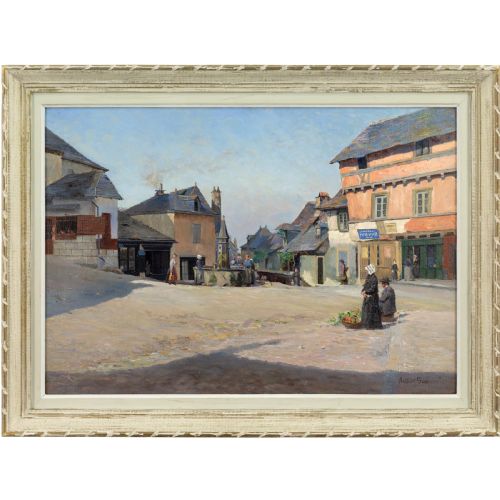
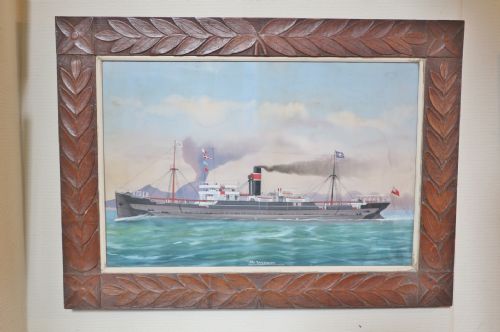
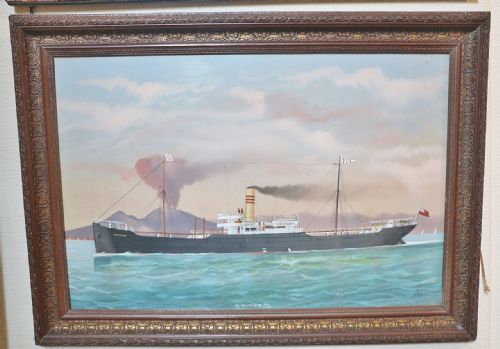
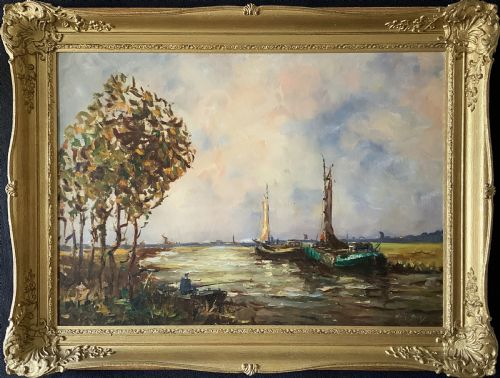
The selection on this page shows various regional schools, including Dutch Impressionism, Edwardian maritime art, and Victorian landscape traditions. These works reflect both the artistic output of the year 1906 and the life spans of artists associated with that date.
You are most likely to meet canvases depicting rural vistas, coastal steamships, or urban squares rendered in oil paint. Each piece offers a tangible link to the aesthetic preoccupations of the period.
Materials and technique
Artists of this era applied oil paint directly to stretched canvas, building texture and depth with viscous pigments. Wood frames frequently house these works, providing structural support and framing the composition.
Techniques range from the loose brushwork of Post-Impressionism to the detailed realism found in portraits and maritime documentation. The combination of oil on canvas and supportive wooden framing remains standard across these examples.
1906 Oil Painting Retail Price Guide 2026
Typical asking prices for 1906 oil painting among the pieces listed under this phrase on Sellingantiques today, from the lower quarter to the upper quarter. They describe what is for sale here now, not the wider market.
Listings feature canvases executed in oil paint, framed in wood, spanning Victorian, Edwardian, and mid-century periods.
Judging quality in early twentieth-century art
The distinction between works rests on the handling of light, brushwork confidence, and the preservation of the pigment layer. A stronger piece demonstrates deliberate control over the medium, capturing atmosphere and form with distinct skill.
Condition of the canvas and the integrity of the original wood frame influence the overall stature of a painting. Works that retain their surface stability without excessive retouched areas stand apart from lesser examples.
Arthur Gué·Willem Bos·John Horace Hooper·Cecil Rochfort D'Oyly-John·Robert Finley McIntyre·Hans Kappel Øvre·George Frederick Clarke·Charles Clement Calderon
The 1906 Oil Painting Glossary
- Canvas
- A heavy woven fabric used as a surface for painting. It is typically stretched tightly across a wooden frame before pigment is applied.
- Oil paint
- A slow-drying paint made by mixing pigments with oils such as linseed. This medium allows for rich colour blending and textured applications.
- Gilt
- A thin layer of gold leaf or gold paint applied to surfaces. It is commonly found on the wooden frames enclosing these paintings.
- Post-Impressionism
- An art movement that followed impressionism, focusing on symbolic content and heavier brushwork. Artists explored structure and emotion rather than pure optical realism.
- Maritime art
- Artwork that depicts ships, the sea, or coastal views. This genre includes historical records of steamships and naval vessels.
1906 Oil Painting: Frequently Asked Questions
What subjects appear in a 1906 oil painting?
These works cover a diverse range of subjects including rural countryside landscapes, coastal steamships, and urban squares. Portraits of historical figures also emerge within this category.
Artists recorded both contemporary maritime vessels and traditional pastoral scenes, reflecting the varied interests of painters working around that year.
How do I identify the period of these paintings?
Dating relies on artist lifespans, recorded signatures, and stylistic markers associated with Edwardian and Victorian art. Specific dates inscribed on the canvas or documented in the title provide clear chronological anchors.
Stylistic elements like Dutch Impressionism or Mid-Century approaches also help contextualize when a particular work was produced.
Are original frames important for these artworks?
The frame contributes to the historical integrity of the piece and often reflects the aesthetic tastes of the period. Wood and gilt housings complement the visual weight of the canvas.
Examining the frame alongside the oil painting offers a complete view of how the artwork has been preserved over time.
How should I care for an oil painting at home?
Protect the canvas from direct sunlight and fluctuating humidity to prevent the oil paint from cracking or fading. Dust the surface gently with a soft, dry brush without using liquid cleaners.
Displaying the painting in a stable environment ensures the preservation of both the pigment and the wooden support structure.