

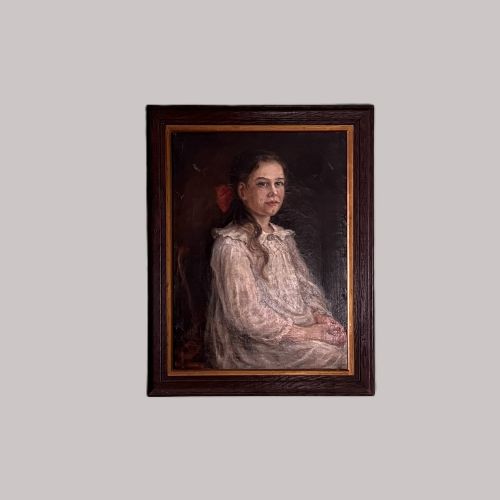

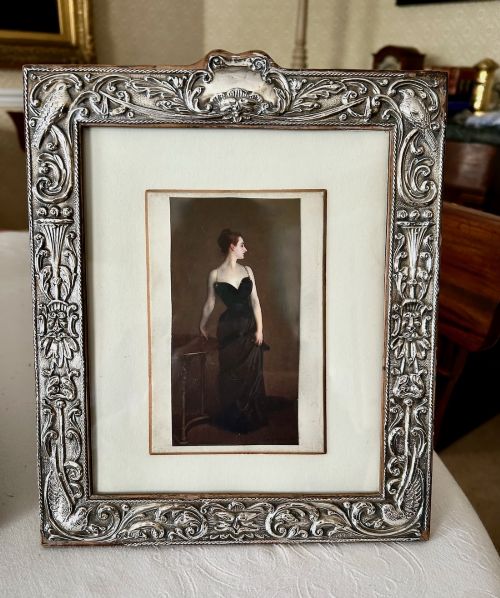


1900s Framed Portrait
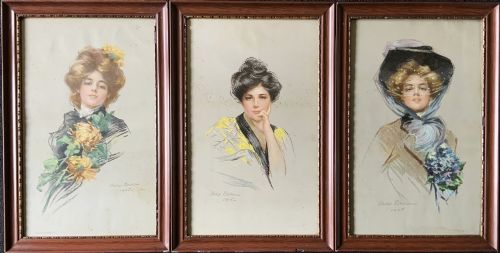
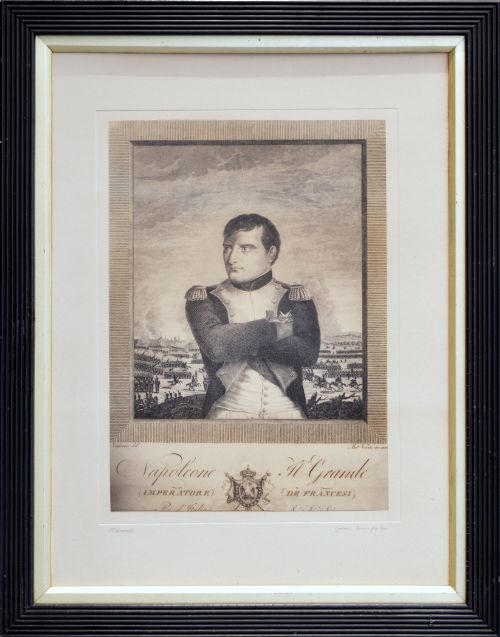
These 1900s framed portrait pieces bring authentic Edwardian character to a wall, combining period portraiture with decorative framing.
1900s Framed Portrait
A 1900s framed portrait captures the likeness of people from the Edwardian era and the turn of the century. Buyers searching this phrase encounter works executed in oil on canvas, watercolour, pastel, and print.
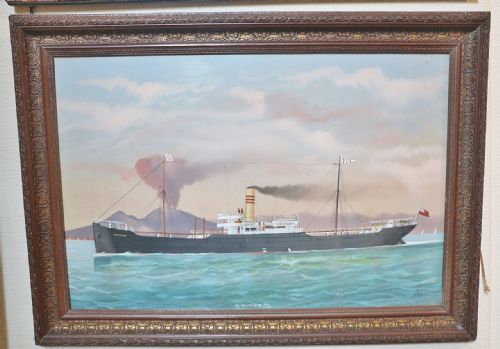
The selections on this page span Edwardian, Art Nouveau, and Belle Epoque styles, alongside maritime realisms and academic historicism. Most examples originate from the early decades of the twentieth century, with occasional nineteenth-century survivals.
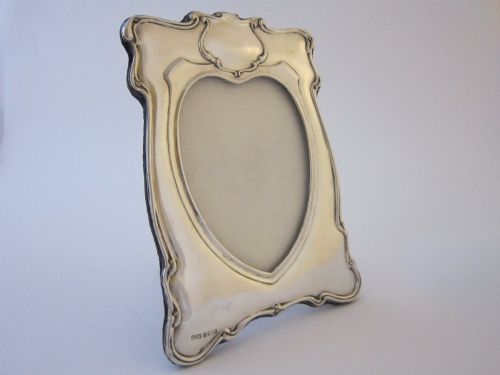
Forms vary from miniature portraits housed in silver frames to substantial oil paintings and printed works with hand-written text. Each piece offers a direct visual link to the portraiture traditions of the period.
How they were made
Artists of the period applied oil on canvas or worked in watercolour and pastel on paper to capture their subjects. These works were then set within protective glass and enclosed by frames constructed from wood or fashioned from sterling silver with gold leaf accents.
Silver components often display hallmarks indicating manufacture in cities such as Birmingham, while frames incorporate organic Art Nouveau motifs or classic Edwardian mouldings. Materials were chosen to complement the artistic medium within, balancing display with preservation.
1900s Framed Portrait Retail Price Guide 2026
Typical asking prices for 1900s framed portrait among the pieces listed under this phrase on Sellingantiques today, from the lower quarter to the upper quarter. They describe what is for sale here now, not the wider market.
Listings feature works spanning the Edwardian period, 1900, and the nineteenth century, utilising oil, watercolour, pastel, wood, glass, and sterling silver.
What varies in quality
The calibre of a 1900s framed portrait rests upon the skill of the artist and the integrity of the materials. Fine brushwork in an oil painting or delicate handling of pastels distinguishes superior artistic execution from standard production.
Enclosure quality also plays a role, particularly where sterling silver photograph frames or gilt wood structures are involved. Original framing that retains its structural harmony and surface finish elevates the piece.
Philip Boileau·G. J. S. Bary·Emily Eyres·Arthur Wardle·Adolphe Alexandre Lesrel
The 1900s Framed Portrait Glossary
- Edwardian
- Pertaining to the reign of King Edward VII, spanning the early years of the twentieth century. This aesthetic favoured elegance and refined decorative arts.
- Art Nouveau
- A decorative style characterised by fluid, organic lines and floral motifs. It heavily influenced the design of silver frames from the period.
- Oil on Canvas
- A traditional painting technique using pigments suspended in a drying oil applied to a stretched fabric support. This medium permits rich colour depth and lasting durability.
- Portrait Miniature
- A small-scale likeness created with meticulous detail, often housed in a portable silver frame. These intimate works were highly popular in domestic settings.
- Sterling Silver
- An alloy of silver containing ninety-two point five percent pure silver and seven point five percent other metals. It is frequently encountered in period photograph and picture frames.
1900s Framed Portrait: Frequently Asked Questions
How do I date a 1900s portrait?
Dating relies on stylistic clues, artist signatures, and any accompanying documentation or inscriptions found on the piece. Clothing and hair styles also provide reliable indicators of the Edwardian era.
Material analysis of the wood, glass, and silver framing components offers further corroboration when makers' marks or dates are present.
Where should I hang these portraits?
These works suit traditional reception rooms, studies, or hallways where period decor is established. They function well as focal points or grouped within a curated gallery wall.
Direct sunlight should be avoided to protect watercolour pigments, pastels, and paper surfaces from fading over time.
How do I care for antique silver frames?
Sterling silver components require gentle dusting and minimal polishing to preserve original hallmarks and surface patination. Aggressive cleaning agents must be avoided to protect the metal.
Maintaining stable indoor humidity levels ensures that wooden elements and paper components do not warp or degrade.