





18th Century Wall Frieze
An 18th century wall frieze brings classical architectural dignity and moulded relief work directly into a room.
18th Century Wall Frieze
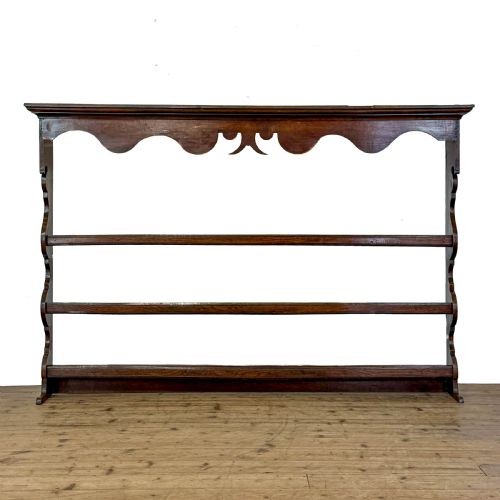
When you search for an 18th century wall frieze, you are looking at architectural ornaments and decorative wall reliefs designed to enrich classical interiors. The pieces appearing here span the Georgian period, featuring plaster casts and carved wood elements.
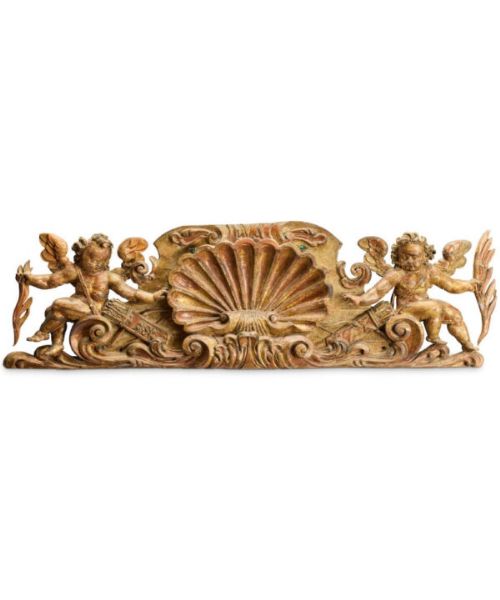
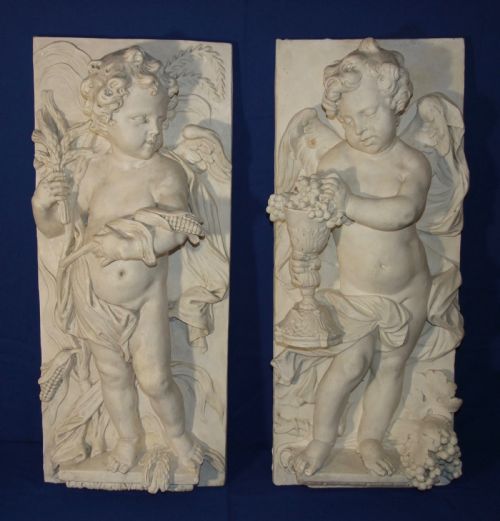
While architectural salvage includes furniture and panels, the sculptural wall frieze focuses on classical subjects like winged cherubs and mythological figures. These ornaments originally decorated panelled rooms, libraries, and grand hallways of the period.
How they were made
Plaster cast wall friezes were formed from liquid plaster poured into intricate moulds to capture high-relief details of figures and classical motifs. Carved wood examples utilised seasoned oak and walnut, shaped with chisels and gouges to create deep architectural relief.
Gilding and pigment were often applied to highlight carved details, using gold leaf and gesso layers over timber bases. These traditional techniques ensured the ornamentation complemented the grand proportions of Georgian architecture.
Angels and mythical beasts peer down from these walls, proving that 18th-century homes enjoyed a healthy dose of celestial drama.
What varies in quality
The quality of an 18th century wall frieze lies in the sharpness of the casting and the depth of the sculptural undercut. Finer pieces display crisp facial expressions and anatomical accuracy in figures like cherubs and mythological subjects.
The choice of material and the skill of the carver or mould-maker dictate the visual impact of the architectural fragment. Superior examples retain their original surface textures and structural integrity without heavy restoration.
Grinling Gibbons·James Basire·Edward Rooker
The 18th Century Wall Frieze Glossary
- Frieze
- A broad horizontal band of sculpted or painted decoration situated on a wall or near a ceiling. It forms a key decorative element in classical architecture.
- Gesso
- A plaster mixture used as a smooth base for paint or gold leaf application on carved wood. It allows for fine detailing before gilding.
- Plaster cast
- A three-dimensional copy of a sculpture or relief made by pouring plaster into a mould. It provides a lighter alternative to carved stone or wood.
- Architectural salvage
- Salvaged building elements rescued from older properties for reuse in interior design. This category includes panels, pediments, and friezes.
18th Century Wall Frieze: Frequently Asked Questions
How were wall friezes originally used?
These decorative elements were mounted along the upper portions of walls or above doorways in formal Georgian rooms. They provided classical proportion and visual interest to domestic interiors.
Builders and designers integrated plaster casts and carved wooden reliefs to emulate ancient Greek and Roman architecture. Their placement drew the eye upward, enhancing the perceived height of the space.
What periods do these pieces date from?
The pieces available primarily date from the 18th century and the Georgian era, with occasional 19th-century interpretations. This timeframe encompasses strong neoclassical influences derived from archaeological discoveries.
Stylistic markers help identify the exact era of manufacture. Georgian craftsmanship often draws directly from Greek and Roman antiquities.
Can these friezes be used outdoors?
Original 18th-century plaster and paper materials are formulated for interior decorative use and degrade quickly in damp outdoor environments. Moisture causes plaster to crumble and wooden elements to rot.
Protecting these historical fragments inside a climate-controlled room preserves the gesso, ink, and carved details. Outdoor placement is generally unsuitable for antique interior architectural elements.