


18th Century Upholstered Bench
An 18th century upholstered bench brings historical seating and textile warmth into a room.
18th Century Upholstered Bench
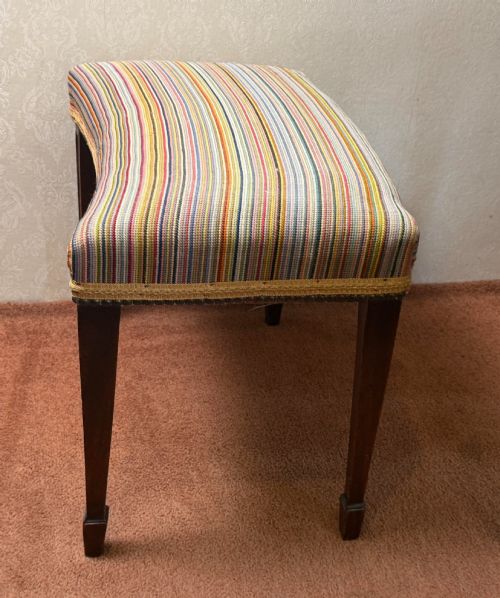
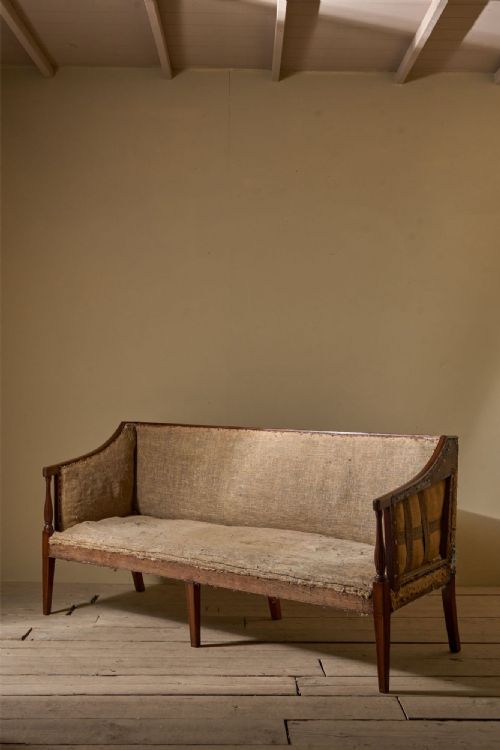
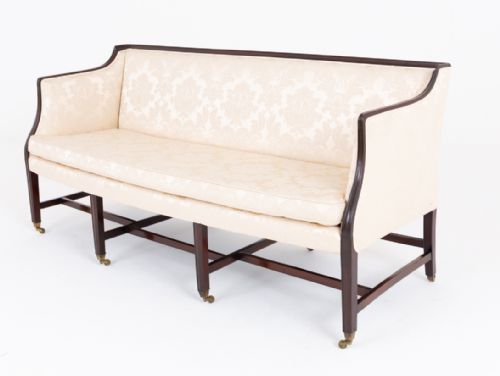
When searching for an 18th century upholstered bench, buyers encounter a diverse selection of seating forms spanning settees, footstools, sofas, and window seats. These pieces range from compact single stools to large multi-seat settees designed for domestic comfort in period interiors.
The inventory on this page draws heavily from Georgian and 18th-century English, Italian, French, and Swedish traditions. Mahogany and walnut frameworks dominate, paired with various textiles, linen, and contemporary upholstery fabrics.
Buyers are most likely to meet mahogany and walnut frames featuring styles such as George III, Queen Anne, and Italian Rococo. These forms serve practical purposes as fireside rests, piano stools, or grand drawing room sofas.
How they were made
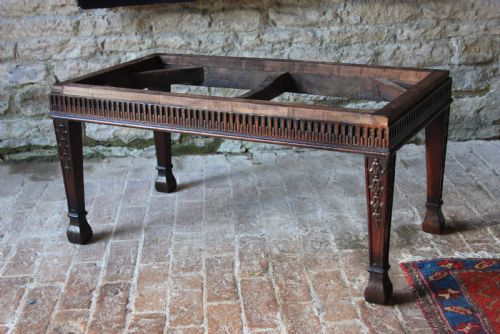
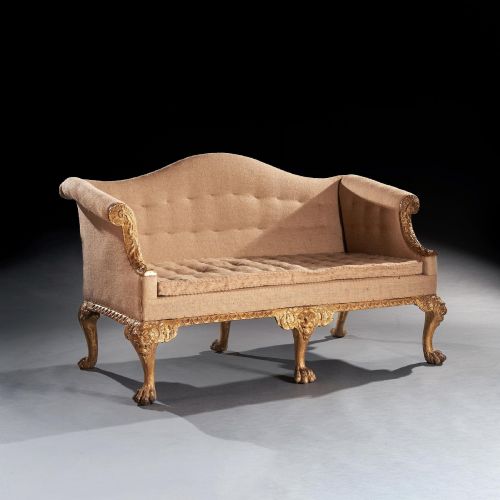
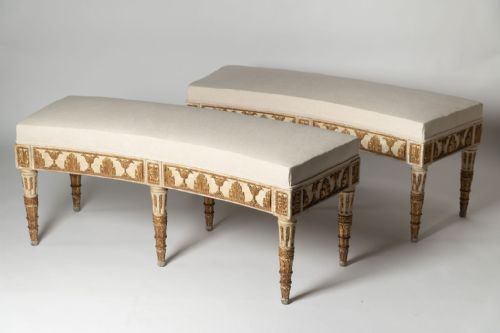
Cabinet makers utilised robust hardwoods such as mahogany, walnut, and oak to construct the supportive framework of each bench or settee. Artisans shaped these timbers through hand carving, visible in details like cabriole legs, lion mask hairy paw feet, and square tapering legs.
The structural frames incorporate textile upholstery, linen, and fabric coverings secured over padding. Giltwood and painted finishes appear on continental European pieces, applying decorative surfaces directly to the carved wood substrate.
Listings feature mahogany, walnut, and oak frameworks paired with textile, linen, and brass components.
What varies in quality
The refinement of the hand carving and the proportion of the wooden frame distinguish finer examples from standard production. Well-drawn legs and balanced silhouettes reflect the skill of the original workshop.
The integrity of the timber and the preservation of original or period-appropriate upholstery materials determine the historical authenticity of the piece. Superior items retain crisp detail in the woodwork alongside complementary textile choices.
Giles Grendey·Gillows of Lancaster
The 18th Century Upholstered Bench Glossary
- Settee
- A long upholstered wooden seat with a back and arms designed for multiple occupants. These forms often mirror the design of contemporary chairs from the same period.
- Giltwood
- Timber coated with a thin layer of gold leaf or gesso. This decorative finish appears frequently on elaborate continental European seating.
- Cabriole leg
- A furniture leg featuring a double curve, typically swelling outward at the knee and tapering inward toward the foot. This shape draws inspiration from animal limbs.
- Canape
- A French term for an ornamental sofa with an upholstered back and seat. Such pieces often display carved wooden frames from the Louis periods.
- Window seat
- A long stool or bench sized specifically to fit within a window recess. These items frequently feature end scrolls or upholstered arms.
18th Century Upholstered Bench: Frequently Asked Questions
How were these benches used?
These pieces served multiple domestic functions in period interiors, acting as fireside seats, bedroom foot stands, and drawing room settees. Their sturdy wooden frames and cushioned surfaces provided comfortable seating for resting or social gatherings.
Larger settees offered formal seating along walls, while smaller stools functioned as moveable window seats or piano rests. Each form was tailored to specific rooms within grand houses and urban townhomes.
How do I live with an antique settee?
Placing an antique settee in a modern room requires careful consideration of placement away from direct heat sources and strong sunlight. These precautions protect fragile textiles and sensitive hardwood frames from drying out or fading.
Routine maintenance involves gentle dusting of the wooden frame and professional cleaning for delicate upholstery fabrics. Pairing these historical seats with contemporary surroundings highlights their sculptural qualities and craftsmanship.
What defines a George III bench?
A George III bench typically exhibits mahogany construction with refined proportions and classical decorative motifs. These pieces often feature square tapering legs or carved cabriole supports aligned with neoclassical tastes.
The craftsmanship reflects the high standards of English cabinet making during the late eighteenth century. Elegantly drawn lines and sturdy joinery separate these examples from later nineteenth-century revival pieces.
How do I identify Italian styles?
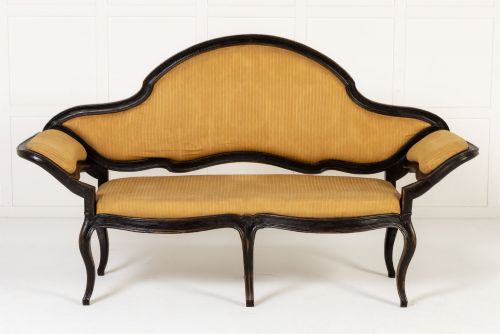
Italian seating from this era frequently incorporates giltwood, ebonised finishes, or painted surfaces rather than exposed polished mahogany. Carvings tend to display theatrical Rococo or Neoclassical flourishes unique to Venetian and regional workshops.
These continental pieces often present distinct silhouettes, such as gondola chairs or tete a tete sofas. The combination of painted or gilded frames with traditional upholstery creates a striking visual contrast to English furniture.