


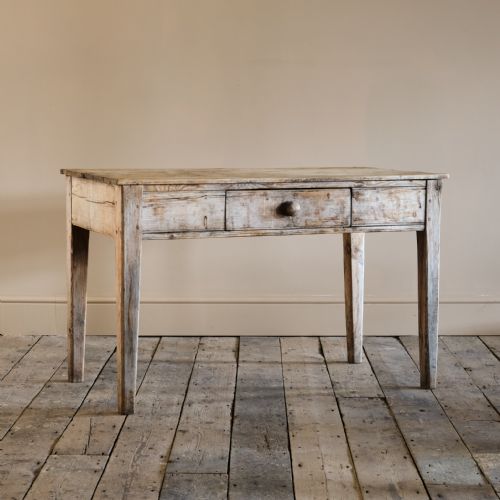
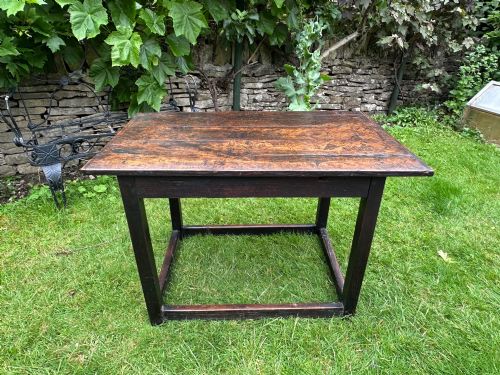
18th Century Timber Table
An 18th century timber table brings tactile warmth and centuries of domestic history directly into a room.
18th Century Timber Table
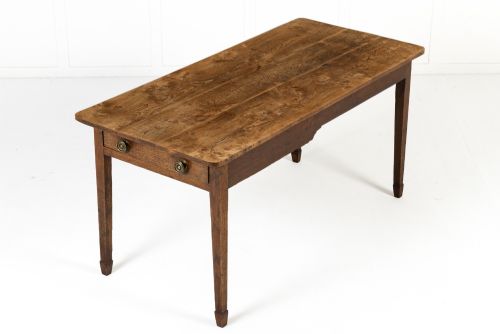
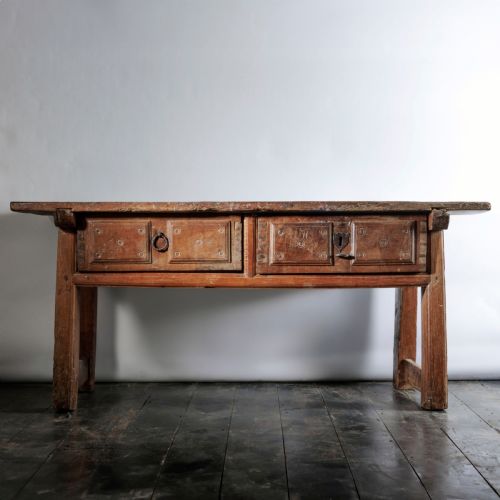
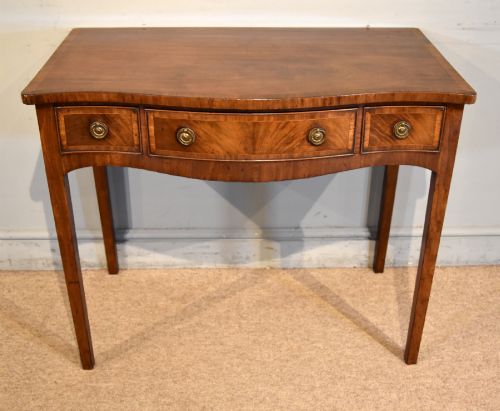
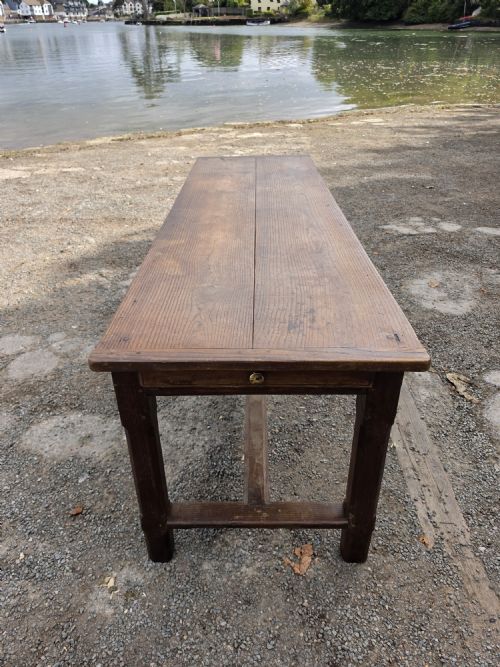
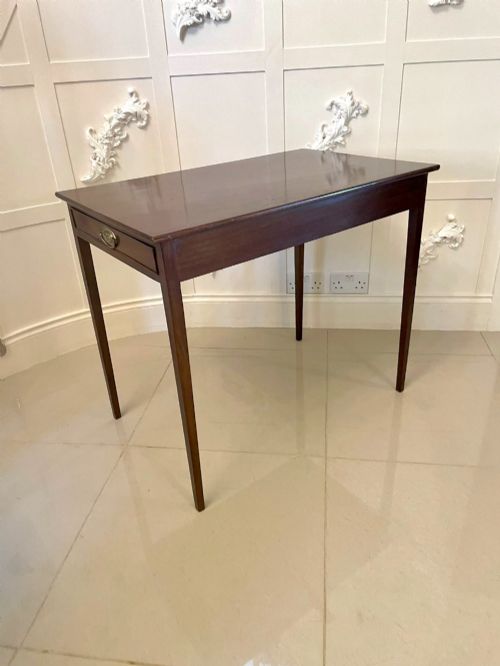
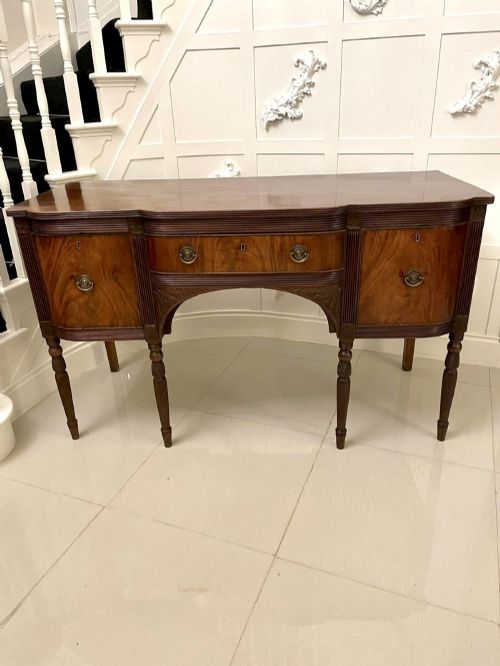
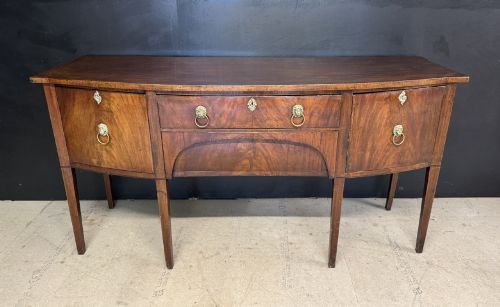
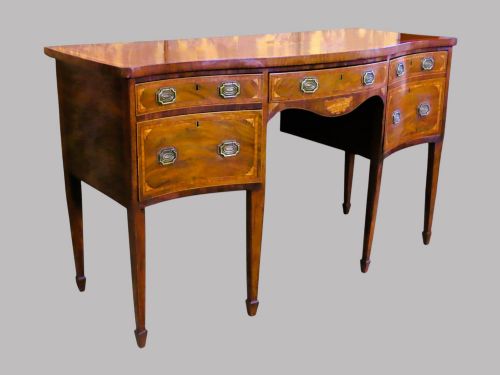
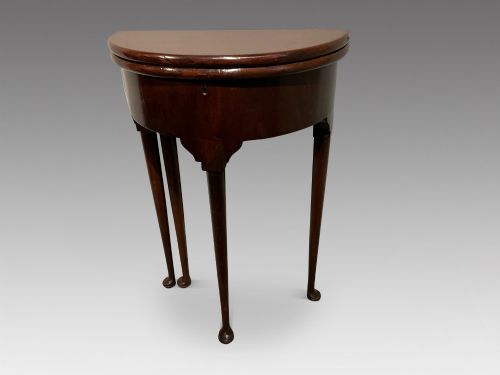
An 18th century timber table encompasses practical domestic furniture produced across the Georgian era and earlier periods. Buyers searching this phrase meet everything from compact oak drop leaf dining tables to refined mahogany sideboards and occasional tripod tables.
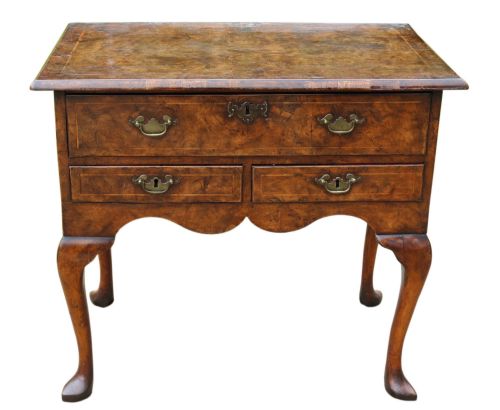
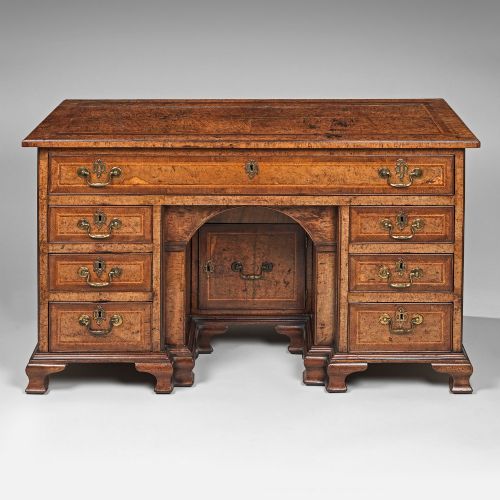
The selection here spans formal Georgian dining and serving furniture alongside rustic country pieces. Side tables, lowboys, console tables and occasional tables demonstrate the diverse domestic functions these items fulfilled.
Origins vary from English workshops to continental European provinces, introducing regional timbers and vernacular designs. Oak, mahogany, walnut and chestnut predominate across these functional forms.
How they were made
Cabinet makers utilised solid native and imported timbers, employing dense hardwoods like oak, mahogany and walnut for structural integrity and longevity. Secondary framing often incorporated softer woods, while decorative surfaces relied on burr wood veneers and contrasting boxwood stringing.
Construction techniques balanced utilitarian strength with aesthetic refinement, utilising pegged joints on plank top tables and sophisticated dovetailing on drawer construction. Turning, carving and inlay defined the decorative vocabulary applied to legs, aprons and tabletops.
18th Century Timber Table Retail Price Guide 2026
Typical asking prices for 18th century timber table among the pieces listed under this phrase on Sellingantiques today, from the lower quarter to the upper quarter. They describe what is for sale here now, not the wider market.
Listings feature items dated across the 18th century, with specific examples spanning from 1700 through to the late Georgian and 19th century periods.
What varies in quality
The degree of material selection largely distinguishes standard utility furniture from exceptional cabinet work. Figured mahogany, burr elm and intricate boxwood stringing signal ambitious workshop production.
Proportion and structural retention also separate pieces, where unaltered timber surfaces and crisp carving demonstrate superior original craftsmanship. Surviving original hardware and stable joinery elevate the standing of an item.
Gillow
The 18th Century Timber Table Glossary
- Lowboy
- A small dressing table or side table featuring one or more rows of drawers beneath the work surface. These low tables typically stand on slender cabriole or straight legs.
- Tripod table
- A small freestanding table supported by a central pillar above three spreading legs. Many examples feature a tilt top mechanism to save space when not in use.
- Console table
- A table designed to be fixed against a wall, often supported by brackets or ornamental legs. Pairs of these tables frequently served formal reception rooms.
- Drop leaf table
- A table with a fixed central section and hinged flaps that fold down to reduce the footprint. These versatile items adapted easily to varying dining requirements.
- Boxwood stringing
- A narrow inlay of pale boxwood set flush into darker timber surfaces to create contrasting linear borders. This technique highlights the geometric outlines of tabletops and drawer fronts.
18th Century Timber Table: Frequently Asked Questions
How do I care for an 18th century timber table?
Maintain a stable room environment away from direct heat sources and strong sunlight to prevent the timber from drying and splitting. Regular dusting with a dry cloth preserves the finish without requiring heavy polishes.
Avoid placing damp items directly onto antique wood surfaces. Use coasters and protective mats to safeguard the polish and underlying grain.
Can I use an antique table for daily dining?
Many sturdy oak and mahogany tables were built for rigorous daily domestic use. Robust plank top tables and solid dining formats handle regular activity comfortably.
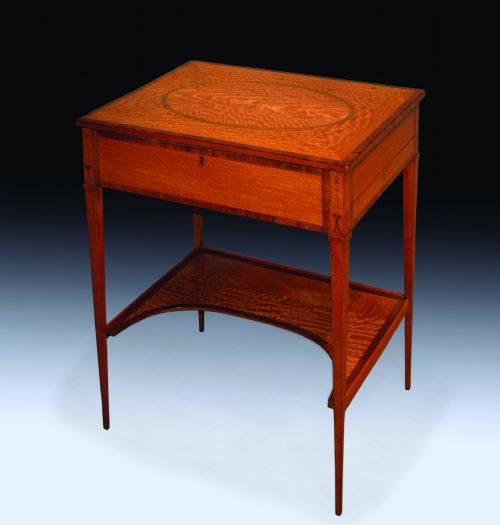
More delicate occasional tables or satinwood pieces warrant gentler treatment. Assess the structural stability of the specific frame before assigning heavy daily duties.
How do I distinguish George II from George III styles?
George II furniture frequently displays heavier proportions, robust oak or walnut construction and characteristic cabriole legs ending in pad or claw and foot feet. The earlier aesthetic leans towards structural solidity and understated carved detail.
George III pieces often introduce lighter mahogany and satinwood forms influenced by neoclassical design. Straight tapered legs, delicate stringing and symmetrical proportions become prominent during this later period.
What is the difference between a lowboy and a side table?
A lowboy is specifically a small table equipped with drawers, historically utilised for personal grooming or dressing. Their compact scale suits hallways and smaller reception spaces.
General side tables may feature drawers or simply an open frieze beneath the surface. They served a wider variety of utilitarian holding purposes around the home.