




18th Century Style Panels
These 18th century style panels bring period architectural depth and painted or woven ornament to interiors, offering immediate historic character.
18th Century Style Panels
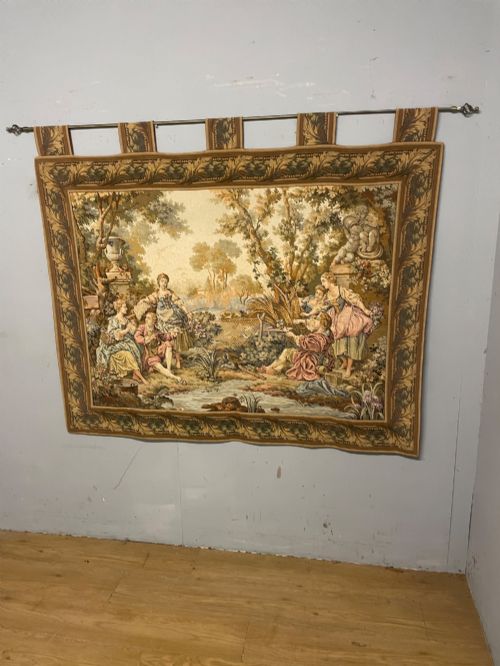
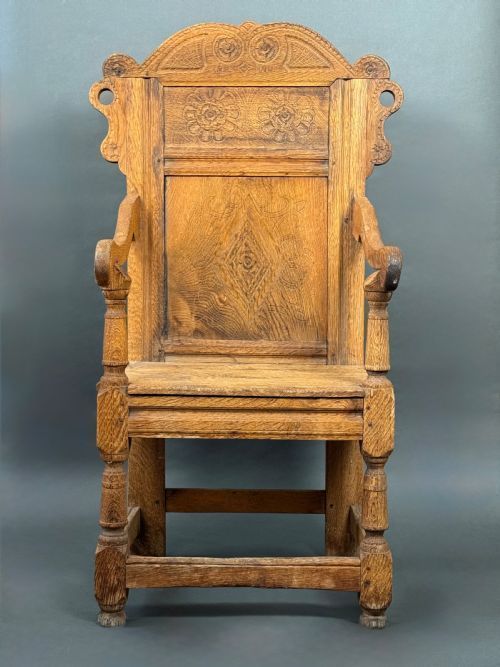
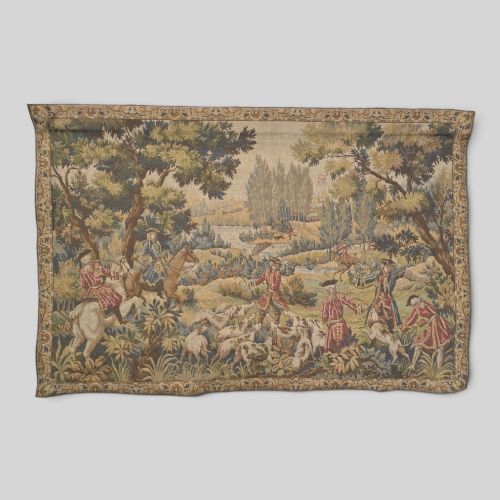
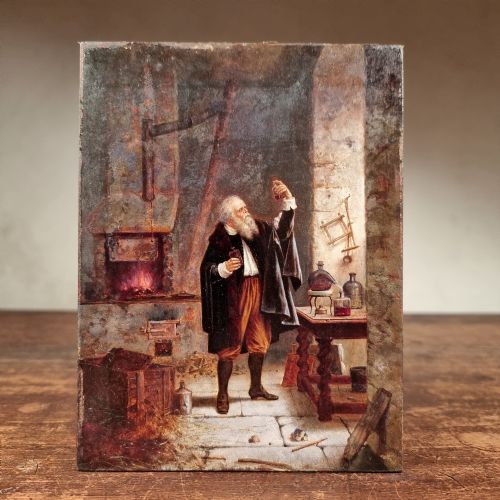
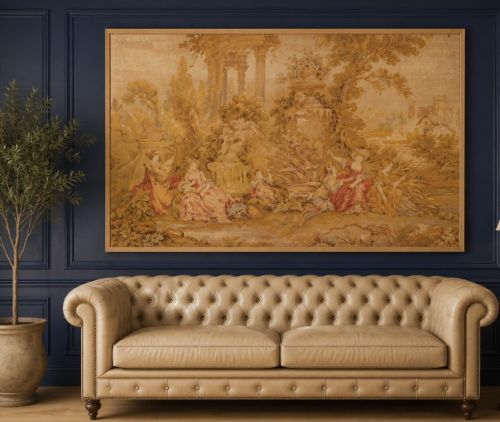
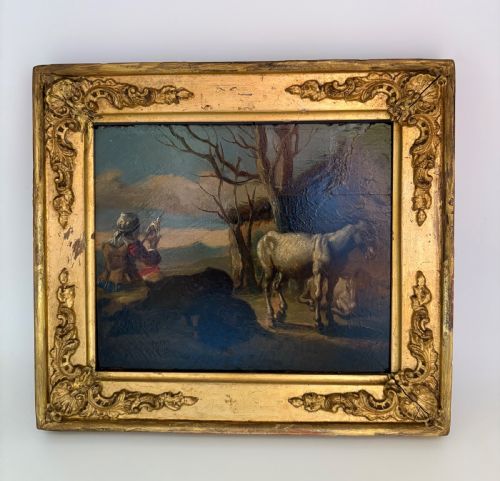
When you search for 18th century style panels, you encounter a varied group of objects including oil paintings on oak panels, framed tapestries, fabric wall hangings and carved architectural woodwork. These pieces draw on English and French aesthetic traditions, reflecting the decorative vocabulary of the Georgian, Regency and Baroque eras.
The selections available range from sturdy oak wainscot furniture components and carved coffers to delicate Dutch flower still lifes and pastoral wool wall hangings. Many items capture the spirit of earlier periods through later revivals, spanning origins from English country houses to French chateaus.
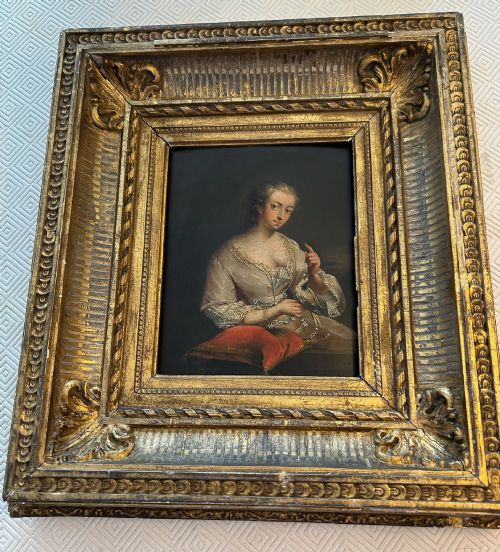
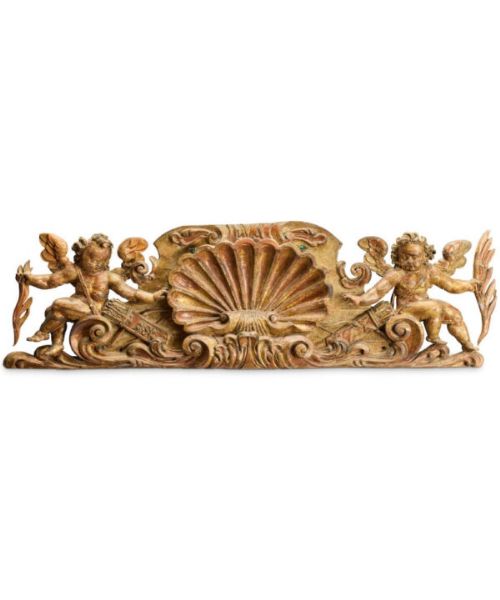
Buyers will find that while some examples function as standalone canvas or oil paintings, others incorporate carved wood, parcel gilt architectural pediments or marquetry. Each format provides a distinct way to introduce period texture and narrative into a room.
Materials and construction methods
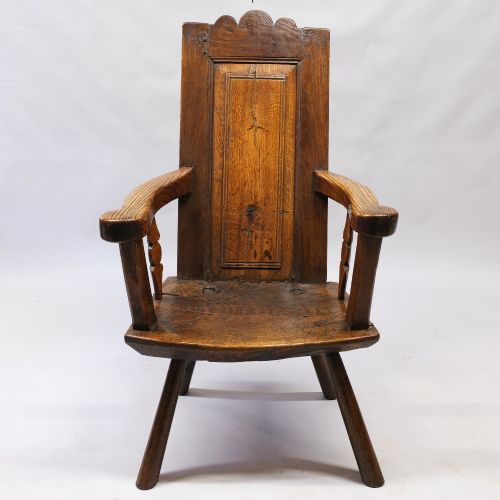
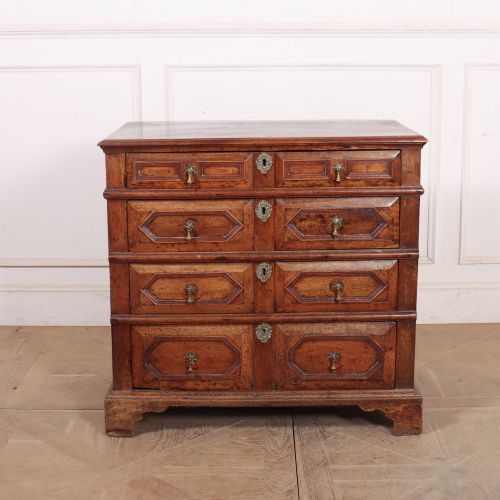
Makers utilised dense timbers such as oak for structural panels, coffer fronts and wainscot elements, often pairing them with hand-carving and detailed joinery. Canvas and wood panels served as the foundation for oil paint, grisaille work and polychrome finishes.
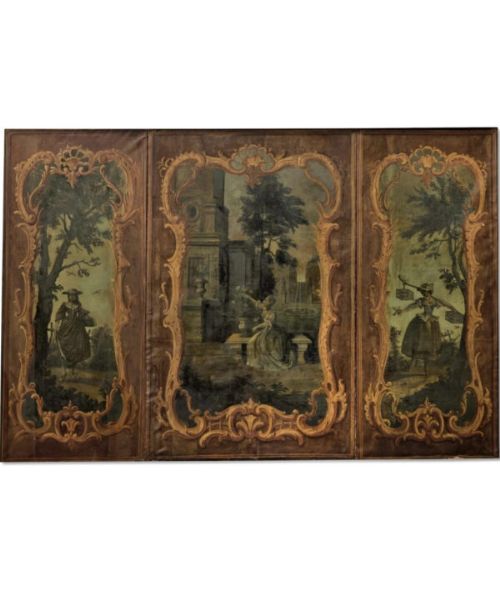
Woven items rely on wool and silk threads to build intricate pastoral or decorative imagery across large wall hangings. Gilding with gold leaf frequently highlights carved wood architectural pediments, bronze fireplace friezes and ornate frames.
A pastoral tapestry whispers stories of eighteenth-century sheep shearing straight into your modern hallway.
Factors determining quality
The distinction between standard and superior pieces rests on the precision of the hand-carving, the depth of the oil painting technique and the fidelity of the period style. Masterful brushwork in oil on panel and refined detail in carved oak indicate superior craftsmanship.
The preservation of original surfaces, gilding and textile integrity dictates the overall standard of wall hangings and tapestries. Finer examples maintain their original framing, structural cohesion and the nuanced polychrome or grisaille tones intended by the maker.
Jean-Baptiste van Loo·Grinling Gibbons·Quirijn Van Brekelenkamp·Francesco Renaldi
The 18th Century Style Panels Glossary
- Grisaille
- A painting executed entirely in shades of grey or neutral greyish-brown monochrome. This technique often mimics the appearance of relief sculpture within architectural panels.
- Wainscot
- A wooden panel backing or lining traditionally applied to interior walls. In furniture, it refers to sturdy oak construction seen in early armchairs and chairs.
- Parcel gilt
- Wood or metal ornamentation partially covered with gold leaf or gold paint. It selectively highlights carved details on architectural pediments and frames.
- Marquetry
- The art and craft of applying small pieces of veneer to a structure to form decorative patterns. It frequently appears on decorative wooden panels.
- Polychrome
- The practice of decorating architectural elements or paintings in a variety of bright colours. It adds visual richness to triptychs and canvas wall art.
18th Century Style Panels: Frequently Asked Questions
What defines 18th century style panels?
These pieces encompass oil paintings on oak, woven tapestries, fabric wall hangings and carved wooden architectural elements from English and French traditions.
They reflect aesthetic movements spanning the Georgian, Regency and Baroque periods, often incorporating pastoral scenes, portraits or decorative motifs.
How were these panels used historically?
Painted panels and tapestries decorated the walls of fine interiors, adding colour, texture and narrative depth to rooms in country houses and chateaus.
Carved wooden panels, pediments and friezes served as architectural embellishments above fireplaces, doorways or within wainscot furniture.
How do I care for antique panels?
Protect wooden panels and oil paintings from direct sunlight and dramatic fluctuations in humidity to prevent wood splitting or paint cracking.
Textile tapestries and fabric wall hangings require gentle dusting and protection from moisture to preserve the wool and silk fibres.
How can I tell the period?
Examine the materials, joinery methods and surface treatments, such as the use of solid oak, hand-carving techniques and traditional oil paints.
Stylistic cues like Neoclassical symmetry or French Rococo curves help distinguish Georgian and Regency pieces from later revivals.