
18th Century Standing Cabinet
An 18th century standing cabinet brings structural presence and refined timber surfaces to an interior, offering substantial storage with period character.
18th Century Standing Cabinet
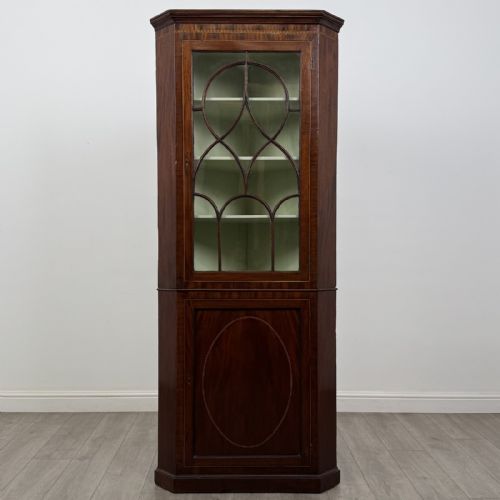
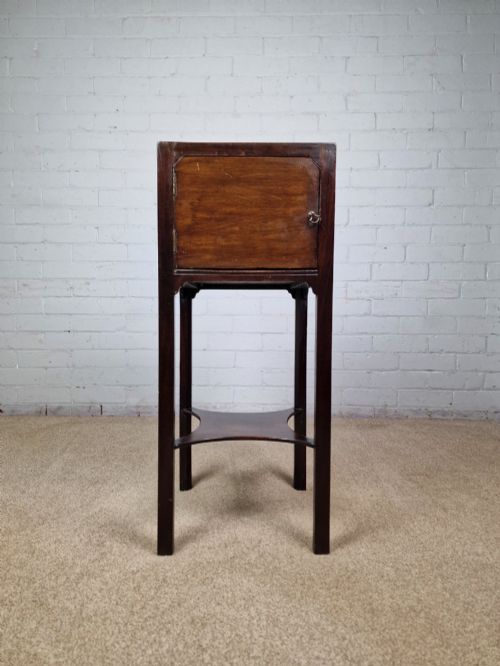
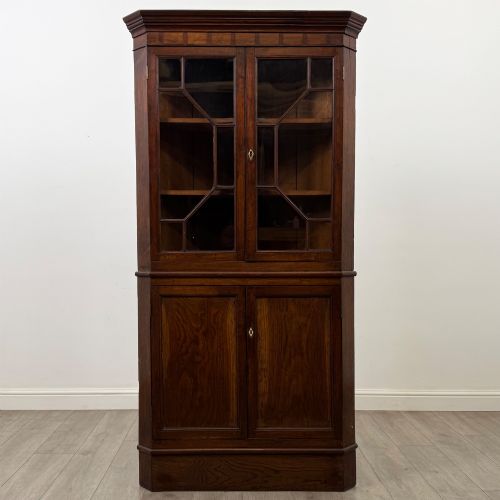
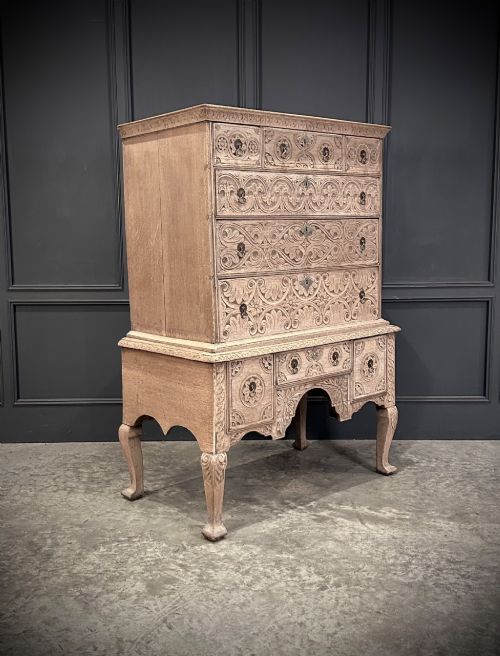
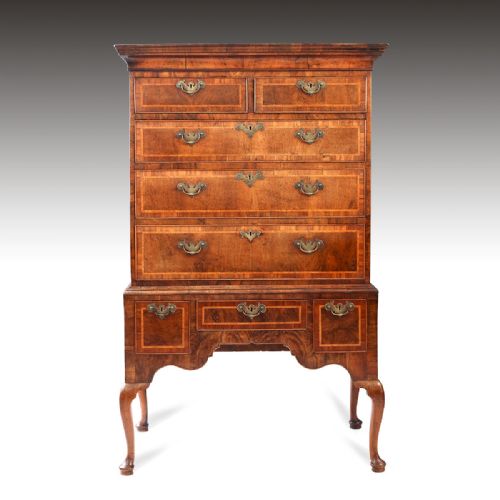
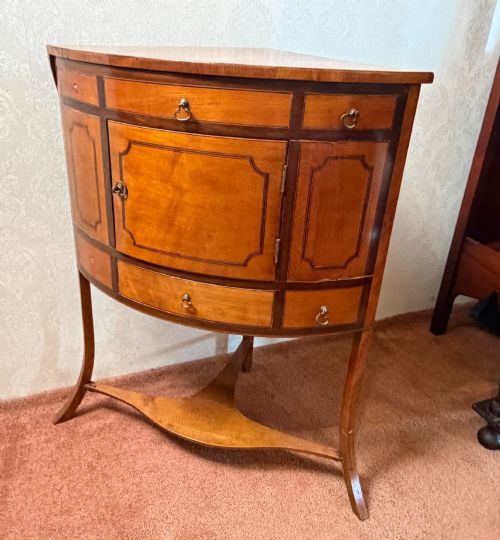
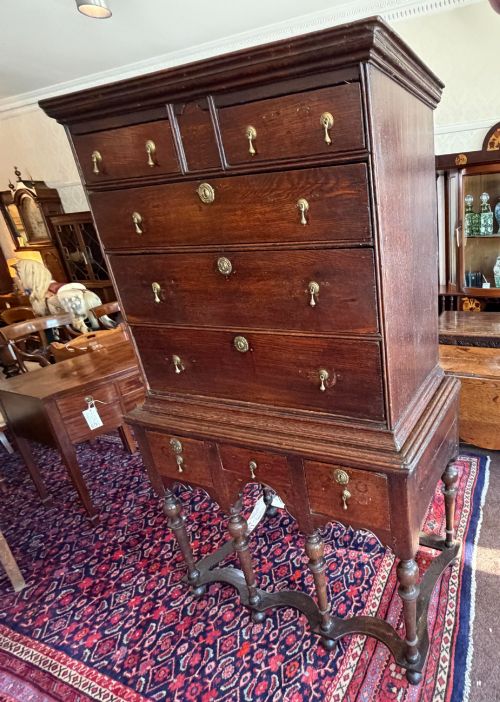
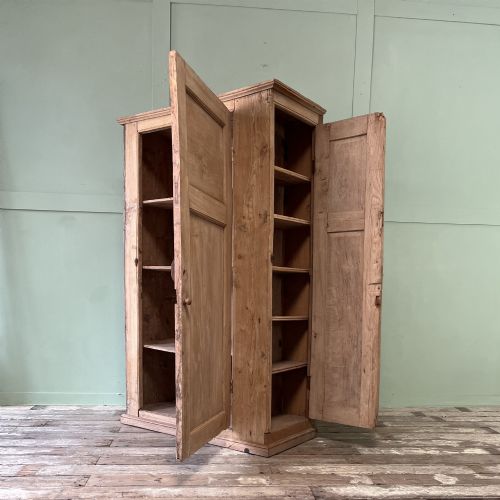
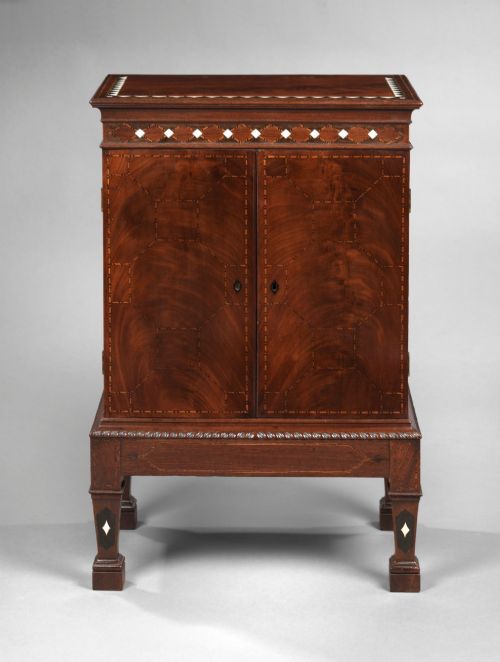
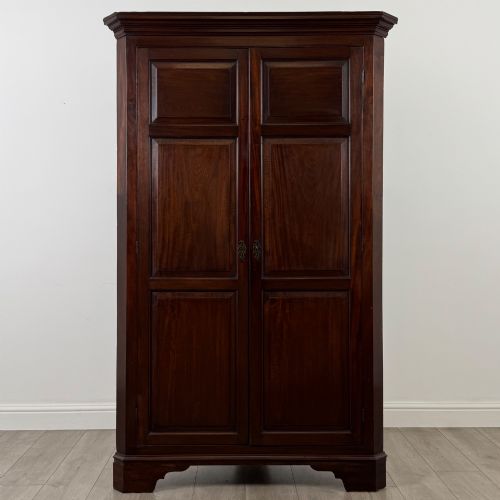
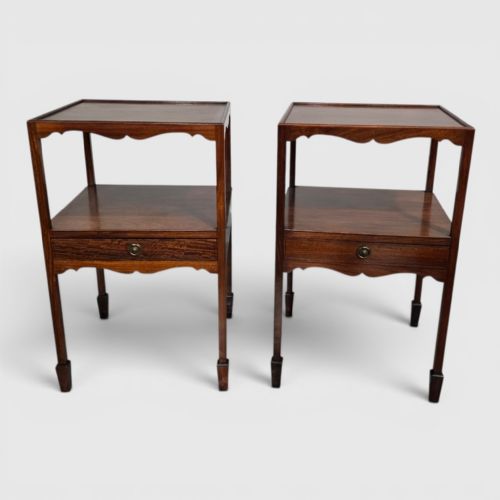
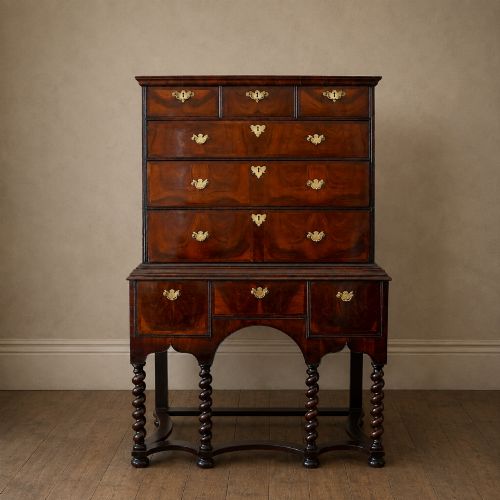
An 18th century standing cabinet encompasses corner cupboards, chests on stands, and floor-standing bookcases originating from the Georgian, Queen Anne, and George III periods. These pieces serve functional storage roles while anchoring a room with architectural proportion and traditional cabinet-making forms.
The selections on this page frequently appear in mahogany, oak, and walnut, reflecting the principal timbers utilised during the 18th century and the Georgian era. Buyers encounter corner cabinets and chests on stands as the most recurrent configurations within this grouping.
Materials and Construction
Cabinet makers utilised dense hardwoods such as mahogany, oak, walnut, and satinwood, frequently applying veneers and crossbanding to enhance visual depth on flat surfaces. Brass hardware, including hinges, handles, and escutcheons, secures the structural joints and articulates the exterior design.
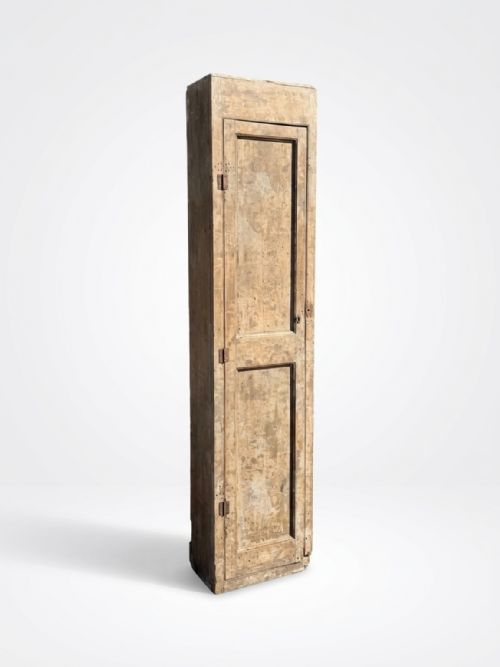
Joinery methods rely on traditional framing techniques to support heavy timber carcases, while painted or lacquered finishes appear on specific regional and vernacular pieces. Structural elements incorporate secondary timbers such as pine to construct internal shelving and drawer linings.
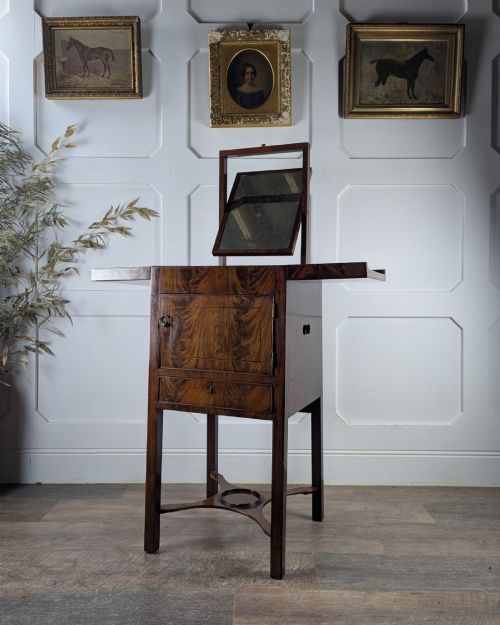
A select few 18th century items include carved skulls of the dammed alongside traditional corner washstands and food cupboards.
Design and Execution
Quality rests in the precision of the timber selection, such as figured flame mahogany or matched walnut veneers, and the restraint applied to decorative inlay and carving. Pieces displaying integrated architectural cornices, original brass fittings, and untouched painted surfaces demonstrate superior execution by the maker.
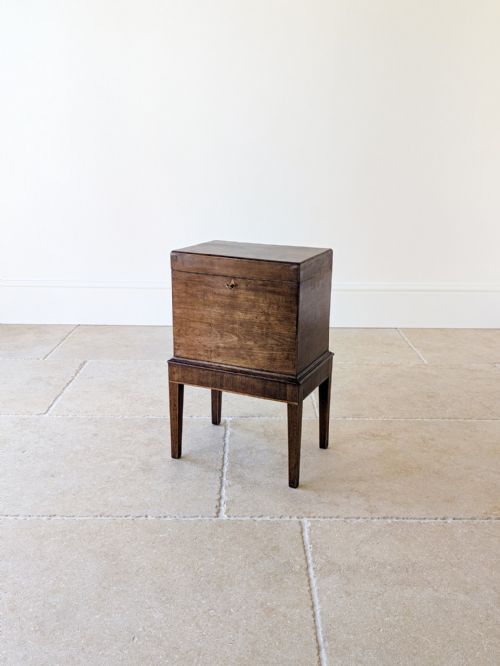
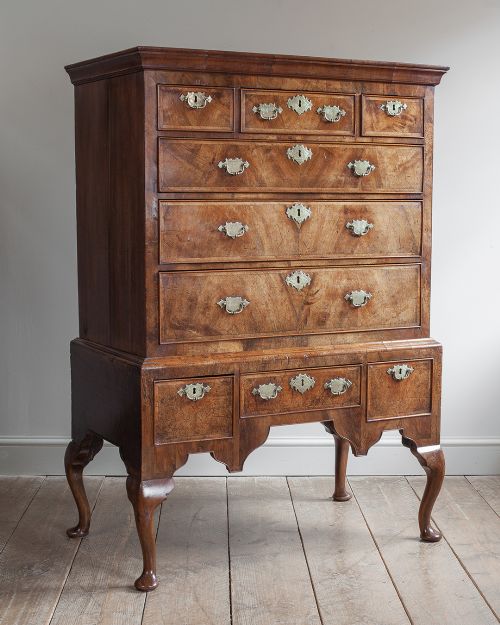
The integration of the stand to the upper cabinet marks a key distinction in chests on stands, where unified proportions separate standard examples from associated or later configurations. Proportional harmony across doors, paneling, and base supports determines the visual success of each standing cabinet.
The 18th Century Standing Cabinet Glossary
- Chest on stand
- A cabinet comprising an upper storage section elevated on a separate or integrated low frame with legs. This form raises the primary storage zone to a convenient height.
- Crossbanding
- A narrow strip of veneer laid around the border of a panel with the grain running perpendicular to the centre. This technique frames the primary timber surface.
- Cellarette
- A fitted storage container designed for holding bottles, typically constructed in mahogany. These pieces rest near the floor or on stands within dining spaces.
- Vernacular
- Furniture produced by regional craftsmen using local timbers without adherence to metropolitan high styles. Welsh elm and regional oak examples embody this tradition.
18th Century Standing Cabinet: Frequently Asked Questions
Where should I place a standing corner cabinet?
A standing corner cabinet fits directly into a 90-degree room junction, utilising dead space to display books or ceramics while keeping floor areas open.
Positioning these pieces away from direct heat sources protects the timber carcase and historic veneer surfaces from drying out.
What is the difference between walnut and mahogany pieces?
Walnut furniture predominates in the earlier 18th century, displaying rich figuring and warm brown tones that often utilise veneer and crossbanding techniques.
Mahogany became the dominant timber later in the century during the Georgian period, offering greater structural stability for crisp carving and deep reddish-brown patination.
How do I care for 18th century timber surfaces?
Maintaining these pieces requires consistent indoor humidity levels and protection from direct sunlight to preserve the original polish and prevent wood movement. Application of microcrystalline wax nourishes the timber grain without building up heavy residues over time.