




18th Century Profile Art
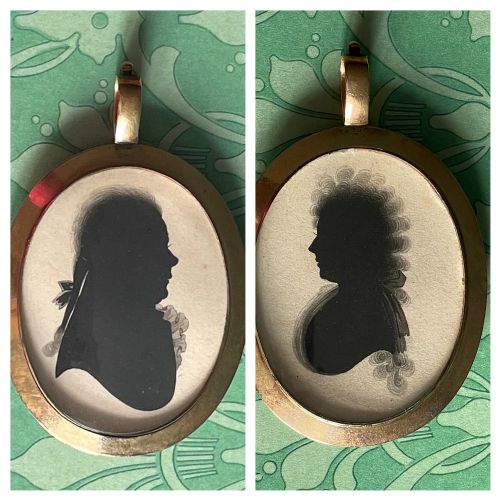
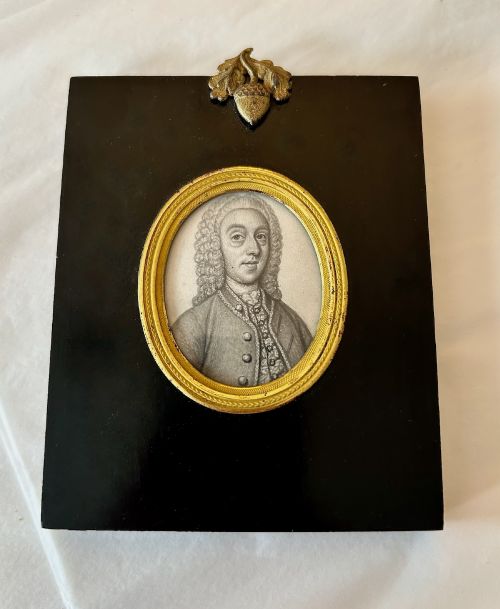
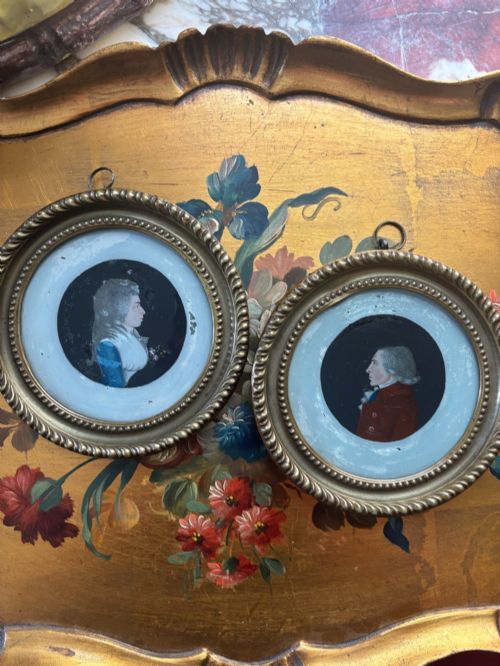
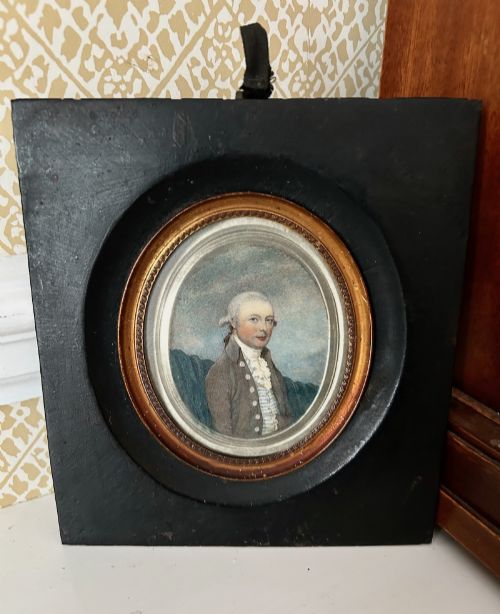
These 18th century profile art pieces capture historical likenesses in delicate silhouettes, reverse paintings on glass, and intimate miniature portraits.
18th Century Profile Art
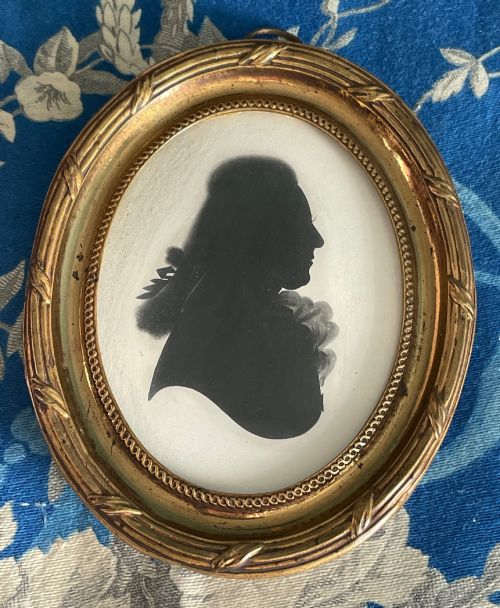
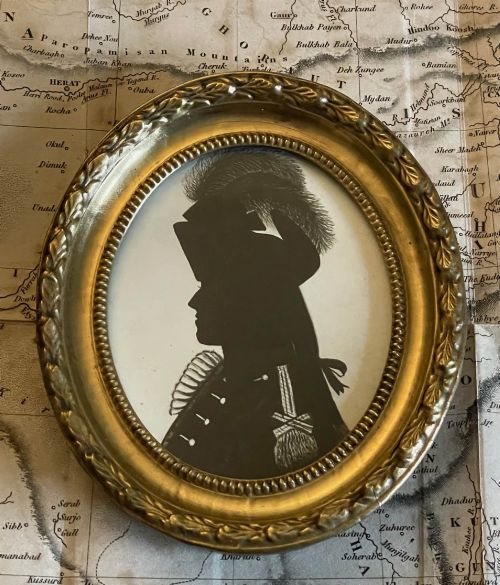
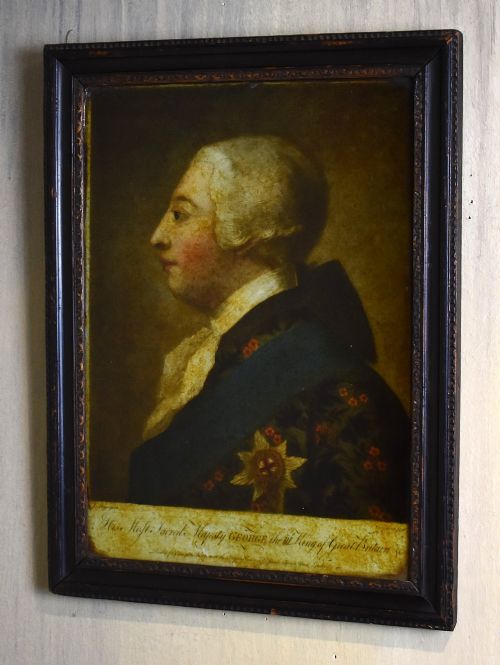
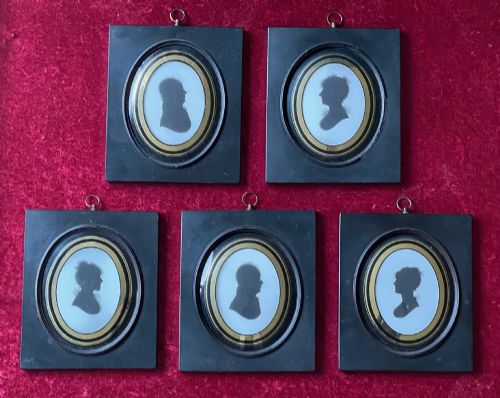
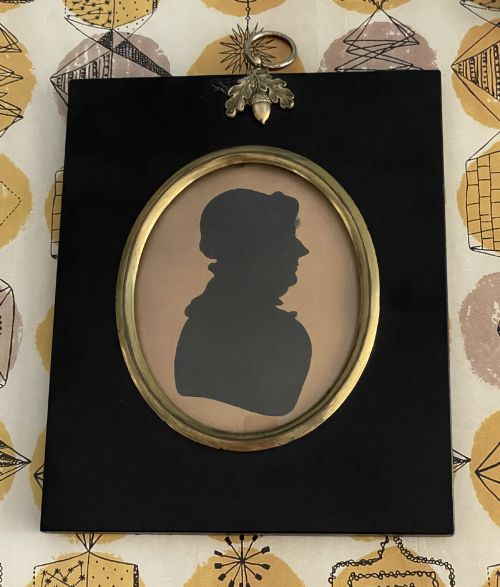
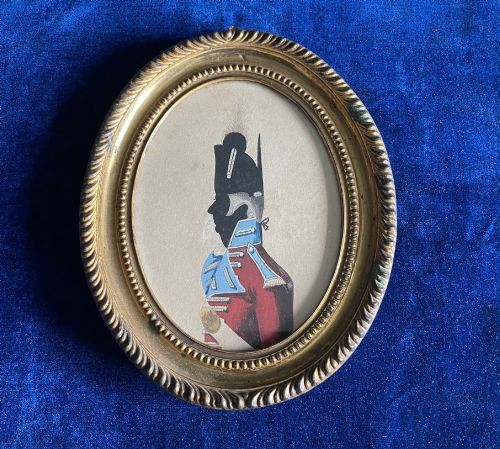
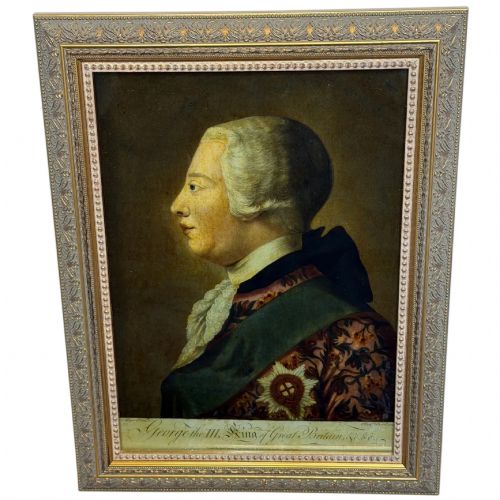
The pieces on this page span the 18th century, Georgian, and Regency periods, originating from skilled artists and folk art traditions alike. You will find framed portrait miniatures, silhouette portraits on plaster, and engraved mezzotints depicting notable subjects and private citizens.
What Varies in Quality
Quality also depends on the preservation of delicate materials like reverse-painted glass and fragile paper drawings. Original framing in period ebonised wood or carved giltwood elevates the standing of an individual work.
18th Century Profile Art Retail Price Guide 2026
Typical asking prices for 18th century profile art among the pieces listed under this phrase on Sellingantiques today, from the lower quarter to the upper quarter. They describe what is for sale here now, not the wider market.
The listings on this page span the 18th century, Georgian, and Regency periods, incorporating materials such as glass, paper, wood, brass, and gold leaf.
James Sharples·James McArdell·Jeremiah Meyer·James Gillespie·Richard Purcell·James Ferguson·Archibald Skirving·John Miers·Ozias Humphry·Nathaniel Bermingham·Sir Nathaniel Dance-Holland
The 18th Century Profile Art Glossary
- Plumbago
- A drawing executed in graphite, taking its name from the Latin word for lead. These works offer a fine, detailed monochrome likeness.
- Reverse painting on glass
- An intricate technique where the artist paints directly onto the back of a glass panel, viewed from the front. This method creates a luminous finish.
- Mezzotint
- A printmaking process where the copper plate is roughened to achieve rich tonal gradations. It allows for soft shadows and smooth transitions in portrait prints.
- Silhouette
- A solid dark profile image, typically cut from paper or painted on plaster, glass, or card. The form focuses purely on the outline and facial contour.
- Ebonised wood
- Timber treated to resemble ebony, providing a deep black finish. It is frequently utilised for framing early profile portraits to create high contrast.
18th Century Profile Art: Frequently Asked Questions
What is 18th century profile art?
These works comprise miniature portraits, silhouettes, and profile drawings produced during the Georgian era. They capture individual likenesses through media such as glass, paper, and plaster.
Subjects range from royalty and public figures to private family members. Each piece serves as an intimate record of historical appearance.
How were silhouettes made then?
Makers cut profiles from dark paper or painted them directly onto plaster, glass, or card. Some artists utilised mechanical pantograph devices to trace accurate outlines before final embellishments.
Master silhouettists like John Miers added fine highlights in gold leaf or white pigment to define costume details.
How do I care for reverse painted glass?
Keep these delicate works away from direct sunlight to prevent the pigments behind the glass from fading. Maintain stable indoor humidity to protect the fragile glass and original backing materials.
Dust the frames gently with a soft dry cloth and avoid applying liquid cleaners near the edges of the glass.
How do I distinguish 18th century profiles?
Examine the materials, framing methods, and paper types used in the construction of the piece. Eighteenth-century works typically feature hand-beaten brass, old crown glass, and early ebonised wood frames.
Stylistic cues in hair styling, costume cuts, and handwritten notes on the reverse help establish the period.