

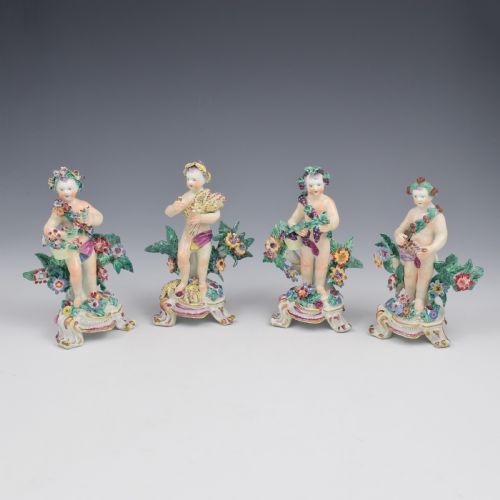


18th Century Paste Set
These 18th century paste set pieces capture Georgian brilliance through hand-cut stones mounted in silver and gold, offering the visual weight of real gems with exceptional sparkle.
18th Century Paste Set
Buyers examining an 18th century paste set encounter matching suites of jewellery, notably riviere necklaces, pendants, and earrings set with hand-cut lead glass stones. These items reflect the high fashion of the Georgian period, designed to catch candlelight with a brilliance that rivalled genuine diamonds.
The most frequently encountered paste pieces from this era combine foil-backed stones with precious metals to create cohesive jewellery suites. These surviving examples demonstrate the meticulous craftsmanship dedicated to synthetic gemstone mounting before the advent of machine cutting.
How they were made
Makers fashioned paste stones from high-lead glass, meticulously hand-cutting and polishing each facet to maximise light refraction. Craftsmen often inserted coloured foil behind these glass stones to enhance the depth and hue of the paste, particularly in green and amethyst varieties.
Mountings for these stones relied on silver and rose gold, utilising closed-back settings that protected the delicate foils from moisture and tarnish. Artisans shaped these precious metals by hand, securing the glass gems individually within custom bezels.
18th Century Paste Set Retail Price Guide 2026
Typical asking prices for 18th century paste set among the pieces listed under this phrase on Sellingantiques today, from the lower quarter to the upper quarter. They describe what is for sale here now, not the wider market.
Listings feature items from the 18th and 19th centuries, encompassing Georgian silver, gold, and soft-paste porcelain.
What varies in quality
The standard of an 18th century paste set depends heavily on the precision of the stone cutting and the integrity of the foil backing. Stones that retain crisp facet edges and brilliant, undamaged foils command greater appreciation than those showing dullness or dark spots.
Metalwork execution further separates the finer examples, visible in the delicacy of the silver collets and the seamless integration of matching components within a necklace or pendant set. Uniformity in stone size, colour saturation, and setting symmetry marks superior workshop output.
The 18th Century Paste Set Glossary
- Rivière
- A necklace constructed from a continuous line of gemstones or paste stones of graduating or uniform size. Each stone is individually linked to allow flexibility around the neck.
- Foiled
- The technique of placing a thin sheet of coloured or reflective metal beneath a transparent stone to enhance its colour and brilliance. This method was widely used in Georgian paste jewellery.
- Putti
- Depictions of plump, winged toddler figures, often used in European porcelain sculpture. They frequently appear in allegorical sets representing the seasons or continents.
18th Century Paste Set: Frequently Asked Questions
What is 18th century paste jewellery?
Paste jewellery from the 18th century consists of decorative pieces set with hand-cut lead glass designed to imitate diamonds and coloured gemstones. Artisans mounted these glass stones in precious metals like silver and gold to create high-fashion adornments for the Georgian elite.
Unlike modern imitation stones, each paste gem was shaped and polished by hand. This gave them a distinct optical quality that complemented the formal dress of the period.
How do I care for paste sets?
Caring for historic paste requires keeping the pieces away from water and moisture to protect the delicate metal foils hidden behind the stones. Submerging them in cleaning liquids can ruin the reflective backing permanently.
Store each item in a dry, padded environment to prevent friction damage to the soft glass facets and the surrounding silver or gold settings. Gentle surface cleaning with a dry cloth is sufficient for maintenance.
Were paste sets worn daily?
Georgian paste jewellery was created primarily for evening wear, assembly rooms, and court functions where artificial candlelight highlighted the brilliance of the stones. Wealthy individuals often wore paste alongside real gems without distinction.
The durability of lead glass made these suites suitable for social occasions, though owners handled them with care due to the vulnerability of the closed-back metal settings.
How are periods identified?
Identifying the period of these items involves examining the metallurgical techniques, the cut of the stones, and the mounting styles characteristic of the 18th century. Georgian settings typically feature closed backs and handcrafted prongs or bezels.
Matching the stylistic markers of the metalwork with known manufacturing traits provides a reliable timeline. Hallmarks, where present, offer further confirmation of origin.