



18th Century Paper Sketch
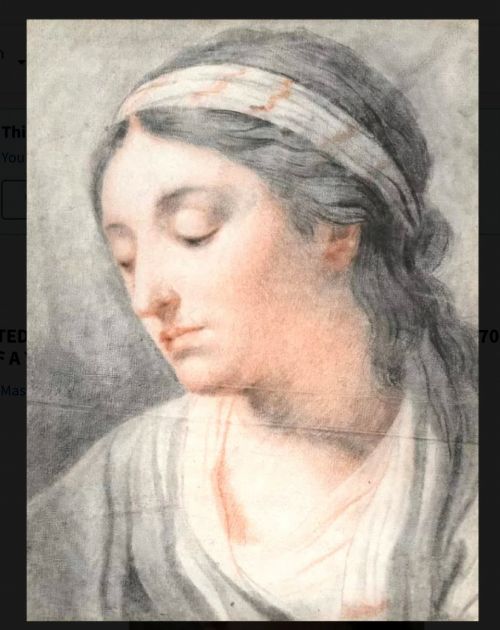
An 18th century paper sketch offers a direct encounter with the hand of a past draughtsman, preserved in delicate ink, wash, or chalk.
18th Century Paper Sketch
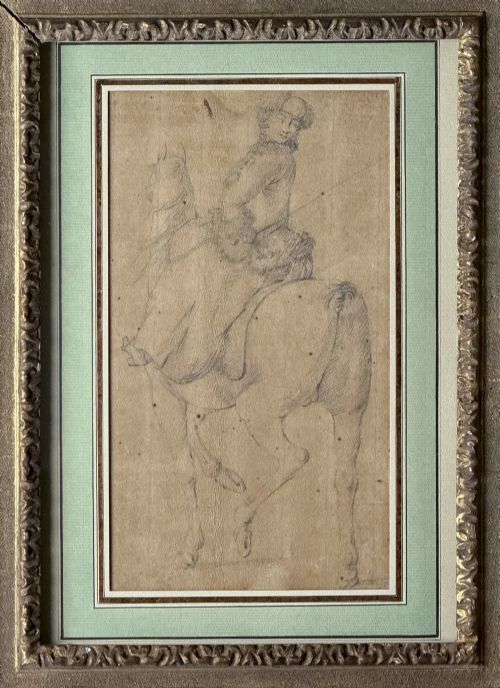
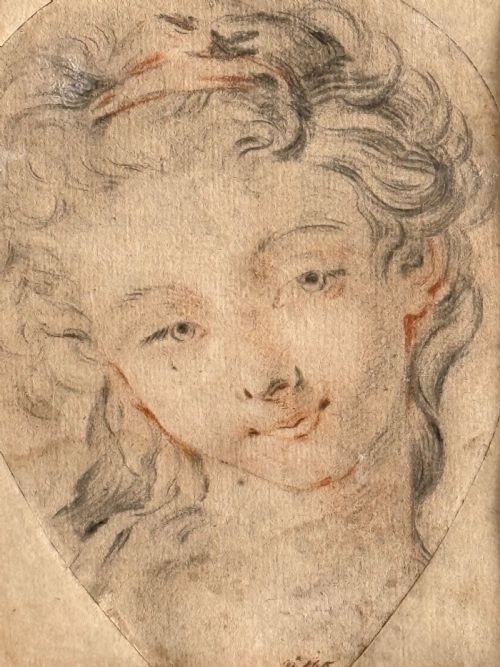
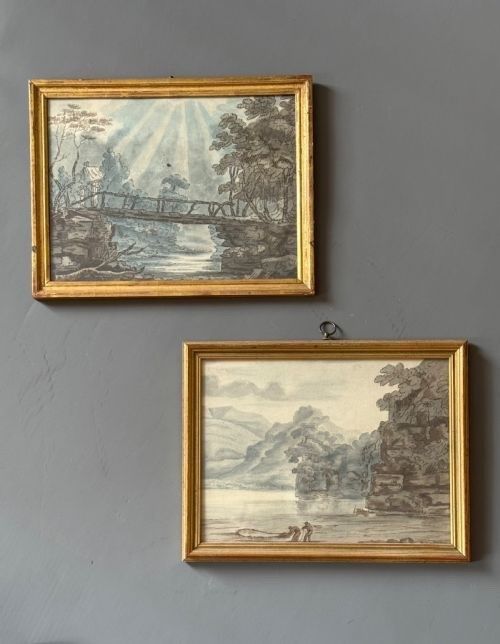
An 18th century paper sketch brings collectors face to face with original graphic art from the Georgian era and surrounding periods, ranging from rapid compositional thoughts to finished portrait studies. You encounter works spanning schools from English landscape and French portraiture to Northern European equestrian studies and Italian Old Master interpretations.
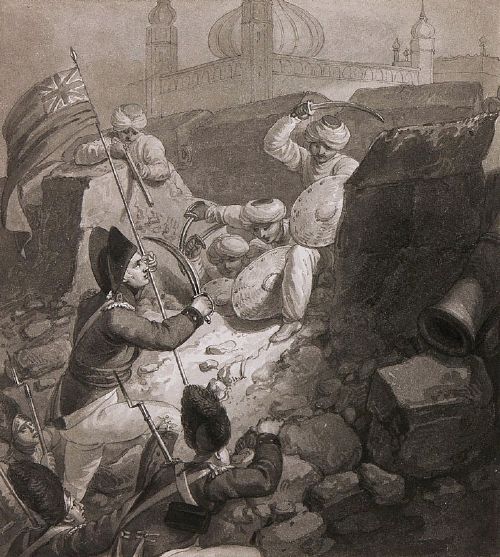
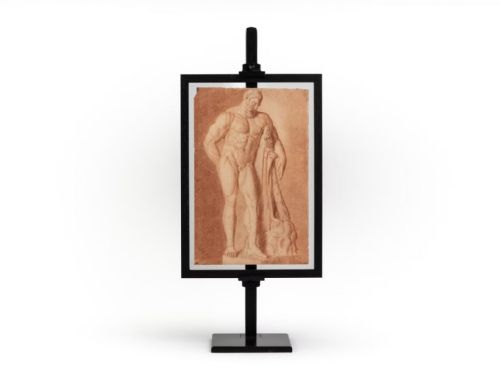
The pieces on this page appear in various formats, including framed drawings under glass, decorative collections, and sheets featuring recto and verso work. Subjects stretch from mythological figures like the Hercules Farnese to rustic family scenes, military engagements, and detailed topographical views.
Origins vary widely across regional European schools, encompassing Dutch, German, French, and British hands. These works function as intimate survivals, showing the immediate creative process rather than the formal rigidity of a finished oil painting.
Materials and Technique
Draftsmanship of this period relies heavily on paper supports paired with fluid or dry media such as pen and ink, wash, charcoal, graphite, and red chalk. Artists applied these materials with varying degrees of pressure and dilution to build tone, line, and shadow.
Finished sketches are frequently housed behind protective glass within period timber frames, such as carved Florentine or gilt rectangular scroll-mounted surrounds. The interaction between the absorbent paper fibres and the iron gall inks, carbon blacks, or earth pigments determines the lasting visual stability of the sheet.
Some sheets feature surprises on the flip side, displaying completely unrelated Hercules studies on the verso.
Distinctions in Quality
The upper tier of these drawings demonstrates anatomical confidence, expressive economy of line, and a strong sense of proportion set down by a known hand or accomplished regional master. Lesser works tend to show hesitant corrections, weaker composition, or static drafting.
Condition and context dictate distinction, separating hastily bound decorative scraps from sheets that retain full margins, original backing studies, and strong provenance. The quality of the framing also contributes, as period-appropriate wooden surrounds enhance the historic weight of the work.
William Marshall Craig·Francois Boucher·François-André Vincent·Edward Dayes·Thomas Rowlandson·John Hoppner·Johan Noah Bemmel·Peter Tillemans·Sir Nathaniel Dance-Holland·Henry Edridge·Thomas Monro
The 18th Century Paper Sketch Glossary
- Recto and Verso
- The front and back of a sheet of paper. Drawings occasionally appear on both sides of a single leaf.
- Wash
- A diluted layer of ink or watercolour applied with a brush to create tonal depth and shadow behind linear work.
- Old Master
- A term applied to European artists of high skill working before the nineteenth century. It encompasses both major painters and accomplished draughtsmen.
- Topographical
- Representing specific real places and landscapes with descriptive accuracy. These sketches often record towns, rivers, and country houses of the period.
18th Century Paper Sketch: Frequently Asked Questions
What is an 18th century paper sketch?
An 18th century paper sketch is an original work on paper executed in media like ink, chalk, or wash during the 1700s or close surrounding decades. These range from quick landscape studies to detailed portrait drawings.
They serve as direct evidence of historical draughtsmanship, capturing the working methods of artists before academic or industrial changes altered standard studio practice.
How were these drawings used originally?
Artists used these sketches as preparatory studies for larger paintings, records of travels, or independent artistic exercises. Many were kept in bound sketchbooks or shared among collectors in portfolios.
Over time, works of merit were removed from bulk collections, mounted, and framed for display in domestic interiors.
How should I frame and display paper sketches?
Paper sketches require protection from direct sunlight and high humidity to prevent fading and foxing of the ancient fibres. Framing should utilise conservation-grade materials with glass that blocks ultraviolet light.
Keeping them away from direct heat sources ensures the ink, chalk, and wash remain stable within their wooden or gilt surrounds.
How do I tell an original sketch from a later copy?
Original sketches display the natural resistance, plate marks, or watermarks of period paper alongside genuine integration of medium into the fibres. Magnification often reveals the physical pressure of the pen nib, chalk stick, or brush.
Copies or later reproductions typically lack the varied tonal pressure and spontaneous corrections characteristic of hand-drawn eighteenth-century work.