

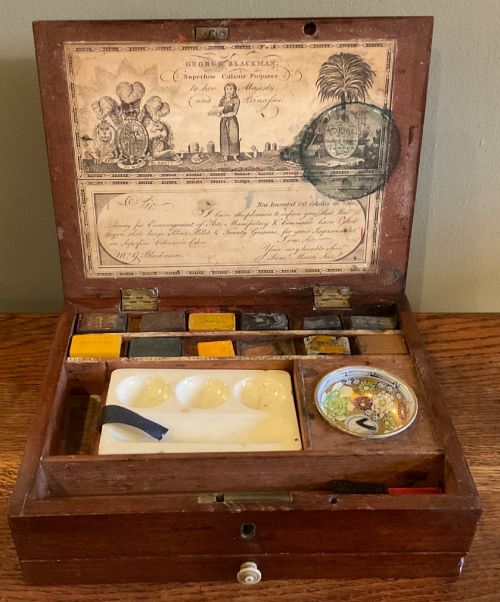


18th Century Paint Box
An 18th century paint box brings tactile pigment containers and portable wooden cases into daily use, offering a direct link to Georgian artistry.
18th Century Paint Box
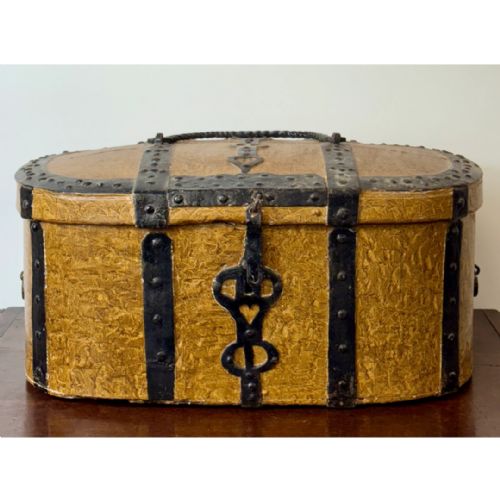
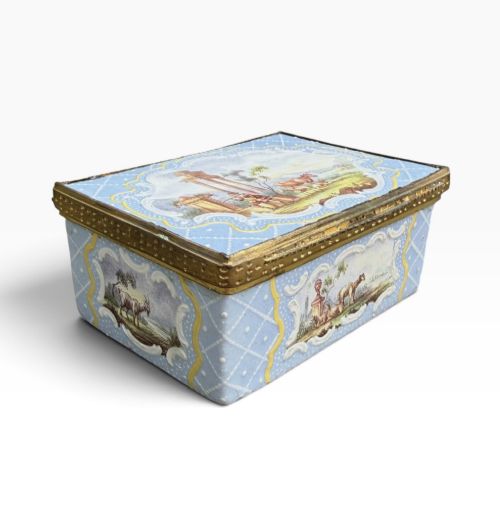
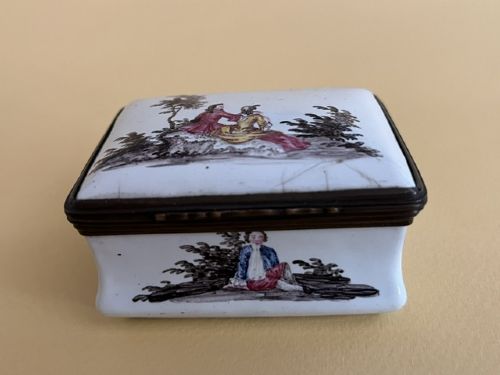
When searching for an 18th century paint box, collectors encounter portable wooden cases designed to hold pigments, brushes, and mixing trays for artists. The examples seen on this page range from mahogany artist paintboxes by named makers to pine chests and smaller enamel containers associated with period craft.
The materials and forms vary between fitted wooden carpentry and small enamel receptacles, reflecting both utilitarian studio equipment and decorative desktop accessories. Most items date from the Georgian era or the later decades of the seventeen-hundreds, showing original painted finishes and fitted interiors.
Materials and Construction
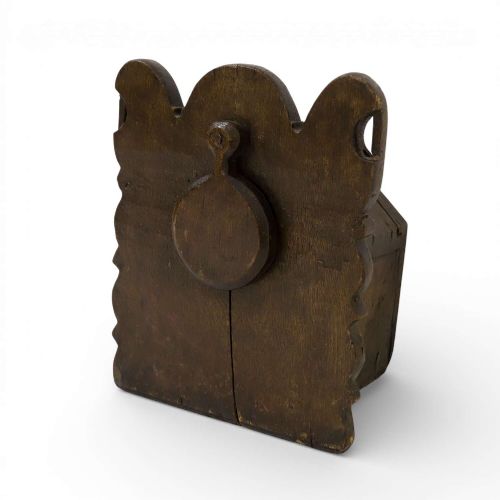
Makers utilised dense timbers such as mahogany and pine, shaping the wood into jointed boxes with fitted compartments for pigment cakes and ink blocks. Iron hardware, brass hinges, and leather applications provided structural reinforcement for portable use.
Surfaces frequently display original paint, lacquer, or penwork decoration applied directly to the timber or copper substrates. Enamel variants required skilled firing techniques over copper bases, often featuring hand-painted pastoral scenes or floral motifs.
18th Century Paint Box Retail Price Guide 2026
Typical asking prices for 18th century paint box among the pieces listed under this phrase on Sellingantiques today, from the lower quarter to the upper quarter. They describe what is for sale here now, not the wider market.
Materials across the inventory include copper, brass, wrought iron, leather, ceramic, and glazed earthenware alongside timber.
Assessing Quality and Authenticity
Quality rests in the survival of original painted surfaces, untouched hardware, and the completeness of internal fitted compartments. Examples retaining their original pigment blocks or glass mixing trays command greater interest from specialists.
The crispness of hand-painted enamel lids or the precision of mahogany joinery distinguishes standard utility items from higher-grade studio equipment. Traces of original red paint, iron fixings, and legible maker signatures elevate the historical merit of individual pieces.
George Blackman·Reeves and Inwood·Richard Ginori·Nagamachi Shuzan
The 18th Century Paint Box Glossary
- Enamel
- A vitreous substance fused to a copper or metal base through kiln firing, commonly seen on small boxes and patch containers.
- Patch Box
- A small decorative container used in the Georgian period to hold cosmetic fabric patches for the face.
- Pine
- A softwood commonly utilised for regional folk art furniture, chests, and utilitarian boxes across Britain and Scandinavia.
- Penwork
- A decorative technique using fine ink lines to create intricate surface patterns on wooden boxes and cabinets.
- Bonbonniere
- A small ornamental box designed to hold confectionery or sugarplums during the eighteenth century.
18th Century Paint Box: Frequently Asked Questions
What is an 18th century paint box?
An 18th century paint box is a portable wooden case designed to hold pigments, brushes, and mixing equipment for artists working in the Georgian period. These containers range from fitted mahogany artist boxes to regional pine chests.
Survival of original paint finishes and internal partitions helps identify authentic period examples. They reflect the portable nature of eighteenth-century painting equipment.
How were enamel boxes used?
Enamel boxes served as small personal containers for patches, snuff, or trinkets during the Georgian era. They were carried in pockets or displayed on dressing tables.
The copper bases were coated in fused glass and hand-painted with landscapes or portraits. Their primary function was both decorative and utilitarian.
How do I identify Georgian wood types?
Georgian makers utilised native and imported timbers, most notably mahogany, oak, and pine. Mahogany was favoured for refined artist boxes, while pine appeared frequently in regional folk art and utilitarian trunks.
Examining the grain, weight, and construction methods helps determine the wood used. Original painted surfaces often obscure the underlying timber beneath.
How should I care for painted boxes?
Painted boxes require stable environmental conditions away from direct sunlight and excessive moisture to protect fragile surfaces. Dusting gently with a dry, soft cloth preserves the original finish without chemical intervention.
Maintaining moderate humidity prevents the timber or enamel from cracking. Keeping original iron hardware clean ensures the longevity of hinges and latches.